
Tools
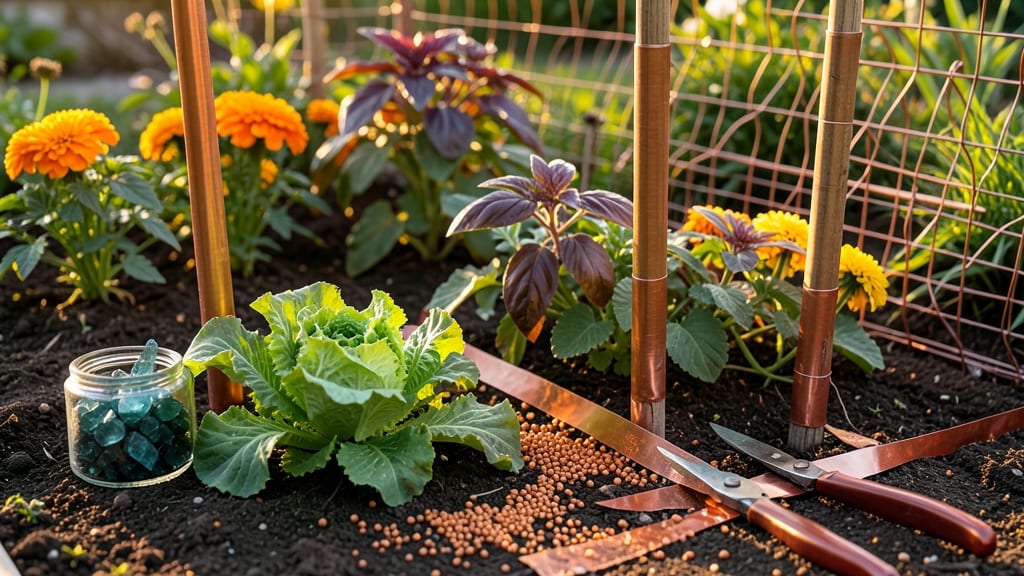
Using copper in the garden naturally deters pests, prevents fungal diseases, and enhances soil health through compounds like copper sulfate or copper-based sprays. Apply it as soil amendments, foliar treatments, or protective barriers for best results.
Copper works as a natural fungicide and insect repellent because it disrupts the cell membranes of fungi and soft-bodied pests like slugs and snails. 🌱 Unlike synthetic chemicals, organic copper compounds break down safely in the environment, making them ideal for organic gardening.
You can use it preventatively—like spraying copper-based solutions before fungal outbreaks—or as a curative treatment when issues arise.
For soil health, copper helps activate beneficial microbes while suppressing harmful pathogens. The key is balance: too much can harm plants, so always follow product guidelines. I’ve found copper sulfate (1 teaspoon per gallon of water) works well for DIY sprays, while chelated copper offers a gentler, more plant-friendly option.
💡 In This Article
- How Copper Fights Fungal Diseases and Pests in Plants
- Best Organic Copper Garden Products and Application Methods
How copper fights fungal diseases and pests in plants
Copper works as a natural fungicide by disrupting the cell membranes of fungi and bacteria.
When copper ions—like those in copper sulfate—come into contact with fungal spores, they bind to proteins and enzymes in the cell walls, causing them to leak critical nutrients and eventually die. 🌱 This mechanism is why copper-based treatments are effective against common garden fungi like powdery mildew, late blight, and black spot.
For example, a 1 teaspoon per gallon solution of copper sulfate can prevent fungal spores from germinating, giving plants a protective shield.
The same copper ions also deter soft-bodied pests like slugs and snails. These creatures have sensitive nervous systems that react to copper's metallic properties, making them avoid copper-treated barriers or soil.
Copper tape or wire placed around garden beds creates a physical and chemical deterrent, forcing pests to bypass treated areas. Unlike chemical pesticides, copper doesn’t kill pests outright—it repels them through touch and taste, reducing harm to beneficial insects like bees and ladybugs.
Copper’s effectiveness varies based on its form: inorganic compounds like copper sulfate are potent but can be harsh on plants if overused, while organic chelated copper is gentler and breaks down more safely in the soil.
The key is balance—exceeding 5 pounds of copper per acre per year can harm soil microbes and plant roots, so always follow product guidelines. For instance, copper hydroxide is less toxic to plants than copper sulfate but requires precise application rates to avoid phytotoxicity.
Timing matters too. Preventative sprays applied before fungal outbreaks (like in early spring or after rain) create a protective film on leaves. Curative treatments work best when applied at the first sign of disease, such as white powdery spots on leaves or wilting stems.
The copper ions penetrate the fungal structure within 24-48 hours, halting spread before it becomes unmanageable. This proactive approach is why copper remains a staple in organic gardening toolkits.
Beyond its direct effects, copper also influences soil health by promoting beneficial microbial activity. It helps activate enzymes that break down organic matter, improving nutrient availability for plants.
However, excessive copper can accumulate in the soil over time, so rotating copper treatments with other organic fungicides (like neem oil or baking soda sprays) prevents resistance and maintains soil balance.
For example, alternating copper sprays with a 1% baking soda solution every other week reduces fungal resistance while keeping pests at bay.
One common misconception is that all copper products are equally safe. While copper sulfate is widely available and affordable, it can leave a blue-green residue on leaves and soil, which may stain surfaces or harm sensitive plants like azaleas.
Chelated copper, on the other hand, is more plant-friendly and less likely to cause discoloration, making it ideal for ornamental gardens. Always test a small area first to gauge plant tolerance before full application. 💫
For gardeners using copper as a pest deterrent, combining it with physical barriers (like copper tape) and companion planting (such as marigolds or garlic) creates a multi-layered defense. This integrated approach not only reduces reliance on copper but also minimizes the risk of copper buildup in the soil.
The goal is harmony—using copper’s strengths while mitigating its potential downsides.