
Landscaping
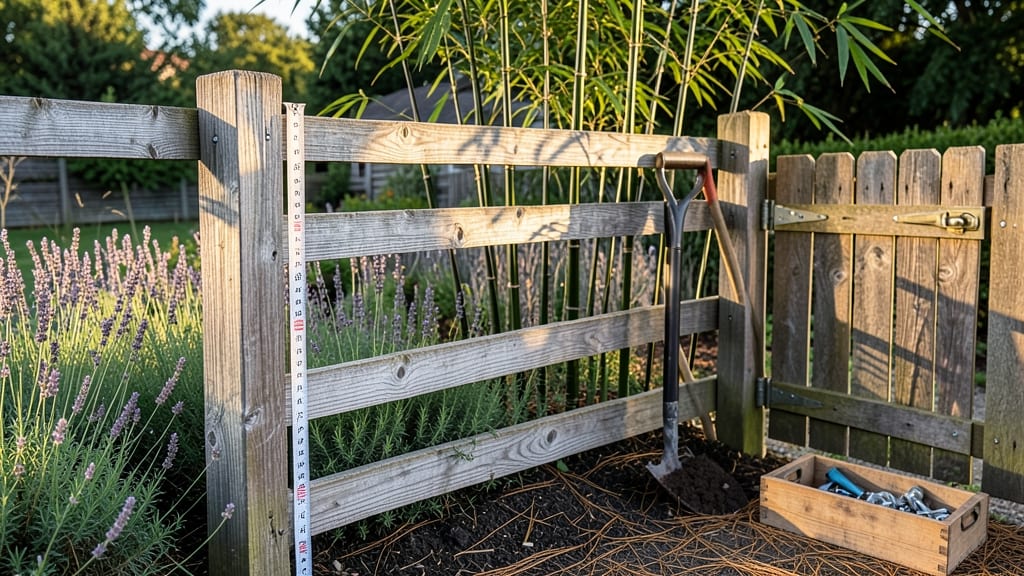
Determining garden fence height depends on local regulations, with most residential areas allowing between 4 to 6 feet, though some communities permit taller fences for added privacy or noise barriers. Always verify zoning laws before building.
Local building codes and neighborhood rules often dictate garden fence height limits, but these can vary widely—some suburban areas enforce strict 4-foot maximums, while rural zones might allow 8-foot privacy screens. 🌳 I’ve seen homeowners face fines or demolition orders when their fences exceeded local height restrictions by even a few inches.
Before purchasing materials, check with your city’s planning department or HOA for exact measurements, as some communities even regulate fence styles and materials.
Beyond legal requirements, the right height balances practical needs with curb appeal. A 6-foot fence might block nosy neighbors but could feel overwhelming in a small yard. Vinyl and wood options offer durability, while metal or lattice designs add visual interest without sacrificing height.
If privacy is the goal, consider adding trellises or shrubs on top of a lower fence—this often flies under the radar with inspectors while achieving the same effect.
💡 In This Article
- Local Regulations Affecting Garden Fence Heights
- Choosing the Right Fence Height for Privacy and Aesthetics
Local regulations affecting garden fence heights
Fence height regulations stem from local zoning ordinances designed to maintain neighborhood harmony and safety. Most cities enforce a 4-6 foot maximum for residential fences, measured from the ground to the highest point.
For example, in Los Angeles, single-family homes are typically limited to 6 feet, while Houston allows 4 feet for front yards and 6 feet for side/back yards.
These rules exist to prevent visual obstruction of traffic signals, fire hydrants, or emergency vehicle access—critical factors that can vary by street width and property layout.
The enforcement process often begins with a permit application, where inspectors verify measurements using a laser level or tape measure from the property line. Some municipalities even require setback distances—how far the fence must stand from the sidewalk or street—adding another layer of complexity.
For instance, Austin, Texas, mandates a 3-foot setback for front-yard fences, while Boston allows only 3.5 feet in certain historic districts. Violations can result in fines or mandatory removal, so homeowners must submit plans for approval before breaking ground.
Homeowners' associations (HOAs) further complicate the picture by imposing their own height restrictions, often stricter than city codes. A HOA might cap fences at 5 feet even if the city allows 6 feet, as seen in many gated communities.
These rules are typically outlined in the community’s covenants, conditions, and restrictions (CC&Rs), which bind homeowners legally. Ignoring HOA rules can lead to costly disputes or forced modifications—something I’ve seen firsthand when neighbors file complaints about fences exceeding the agreed-upon height.
Special exceptions exist for noise barriers or security needs, but these require additional permits and justification. For example, a home near a busy highway might secure approval for an 8-foot soundproof fence, while a rural property could install a taller livestock barrier.
The key is to document your reasons—photos, noise measurements, or security assessments—when submitting your application. Without proper justification, even a 1-inch overage can trigger penalties.
To avoid surprises, start by visiting your local building department’s website or calling their zoning office. Many cities now offer interactive maps showing fence height restrictions by address. For HOA-governed properties, request a copy of the CC&Rs and review the fence-related clauses carefully.
Pro tip: Ask about "grandfather clauses," which may allow existing fences to remain even if new builds exceed height limits.
Understanding these regulations isn’t just about avoiding fines—it’s about designing a fence that works with your community. A well-placed 6-foot fence might solve privacy issues while staying within legal bounds, whereas a 7-foot fence could spark neighborly tension or legal trouble.
The goal is to build something that enhances your property without disrupting the neighborhood’s balance.