
Tools
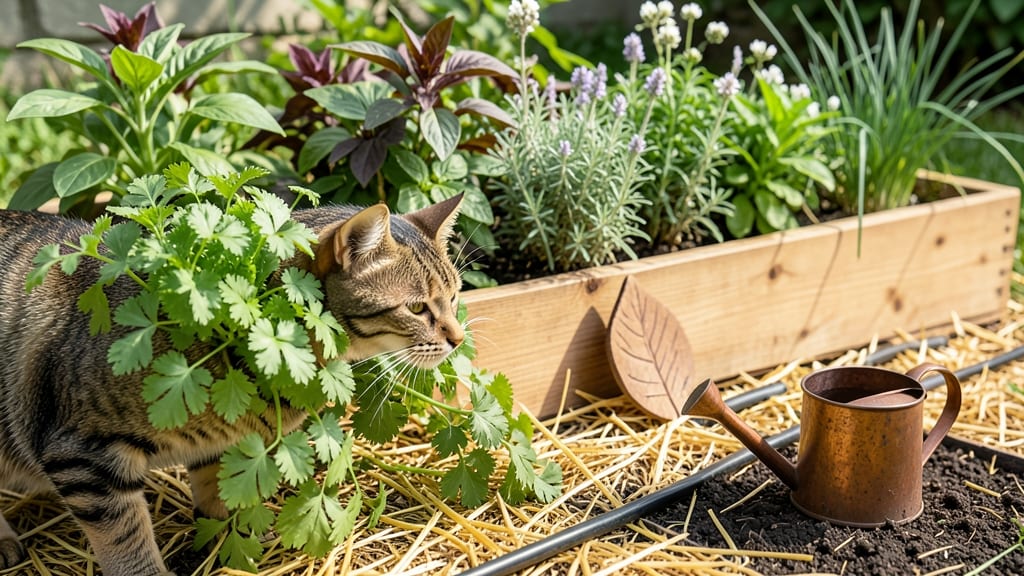
Creating a pet-friendly garden means removing dangerous plants like lilies and azaleas, avoiding chemical pesticides, and designing safe zones with pet-safe mulch and grass alternatives. Active supervision and secure fencing further reduce risks.
Many pet owners assume their garden is safe, but common landscaping choices—from ornamental plants to fertilizers—can pose serious risks. 🐾 For example, lilies are toxic to cats, while azaleas and oleander can harm dogs, often causing symptoms like vomiting or lethargy within hours of ingestion.
Even well-meaning gardeners may overlook hidden dangers like cocoa mulch, which contains theobromine (a compound toxic to pets). The key is proactive planning: start by mapping out your garden's layout, then designate pet-free zones for high-risk plants.
I've found that incorporating clover or pet-safe mulch (like cedar or pine) not only adds beauty but also creates a safer environment for curious paws.
Beyond plant selection, chemical hazards lurk in everyday garden products. Many conventional pesticides and fertilizers contain ingredients that can cause respiratory issues or skin irritation in pets. Always opt for organic, pet-safe alternatives when possible, and store these products securely out of reach.
A simple but effective strategy is to train your pet to stay within a fenced area while you work in the garden—this gives you peace of mind and prevents accidental exposure.
For extra safety, consider adding a small water feature or pet-friendly herbs like catnip (in moderation) to keep them engaged in designated areas.
💡 In This Article
- Toxic Plants and Chemicals to Avoid in Pet Gardens
- Designing a Pet-Safe Garden Layout
Toxic plants and chemicals to avoid in pet gardens
The most dangerous garden plants for pets contain compounds that disrupt their nervous system or organs. Lilies, for example, release toxins called glycosides that attack a cat's kidneys—even small amounts can cause fatal kidney failure within 24-72 hours.
The ASPCA reports that lilies are the most lethal plant for felines, with symptoms appearing as early as 6 hours after ingestion and including drooling, vomiting, and lethargy. 🐱 Dogs face similar risks from azaleas and rhododendrons, which contain grayanotoxins that trigger severe vomiting, diarrhea, and even coma if ingested in large quantities.
Chemical hazards extend beyond plants to fertilizers and pesticides. Many conventional products contain organophosphates, which overstimulate a pet's nervous system, causing symptoms like muscle tremors or seizures within 15-30 minutes of exposure.
Even "pet-safe" labels can be misleading—some organic pesticides still contain essential oils like tea tree or eucalyptus, which are toxic to dogs and cats when ingested. The ASPCA's Animal Poison Control Center receives over 50,000 calls annually related to garden chemical exposure, proving how easily these risks can be overlooked.
Removing toxic plants requires careful disposal. Never compost them—dig up the entire root system and place the plant in sealed bags for municipal waste pickup. For chemical spills, use a 10% vinegar solution to neutralize residues before rinsing the area thoroughly.
If you suspect poisoning, contact your vet immediately—early intervention with activated charcoal can absorb toxins before they're fully absorbed, significantly improving recovery chances.
Some plants pose seasonal risks. For instance, autumn crocus (Colchicum autumnale) contains colchicine, which can be fatal if ingested, while spring bulbs like daffodils and tulips cause gastrointestinal distress. Even common lawn weeds like foxglove (Digitalis) contain cardiac glycosides that disrupt heart rhythms.
The key is awareness—maintain a list of toxic plants in your garden and educate yourself on their symptoms, which often include excessive drooling, pawing at the mouth, or sudden lethargy.
For pets that love to dig, consider adding a pet-safe barrier like a raised bed with non-toxic soil and pet-friendly plants such as sunflowers or marigolds. These alternatives provide sensory stimulation without the risks.
Always supervise your pet during garden visits, especially after rain when plants may release more toxins through their leaves.
If you're unsure about a plant, use the ASPCA's Toxic and Non-Toxic Plant List as a reference. Some surprising culprits include ivy, oleander, and even certain types of mushrooms that may grow in your garden. Proactive removal and substitution are the best defenses—your pet's curiosity shouldn't come with life-threatening consequences.