
Planting
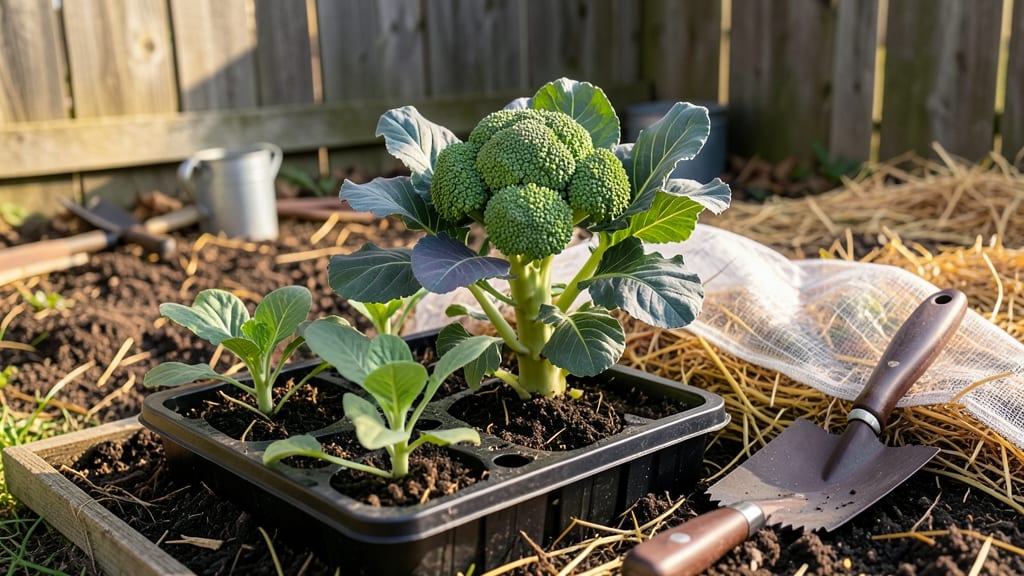
Planting a fall garden in Mississippi starts between mid-August and mid-September—the window that lets you beat the heat while avoiding early frost.
Mississippi’s warm climate means you can grow a thriving fall garden—but timing is everything. Plant too early, and pests or heat will ruin your crops; too late, and frost will strike before harvest. Here’s your exact planting schedule by zone to maximize yields.
With USDA Zone 8a frost dates typically arriving around November 15, you’ve got about 60 days to grow fast-maturing crops like collards, turnips, and kale. The key? Start seeds indoors or choose quick-germinating varieties to hit the ground running.
Below, I’ll break down the best crops for Mississippi’s fall, soil prep tips to keep roots cool, and how to stretch your harvest right up to the first freeze. No guesswork—just proven dates and techniques for your zone.
Mississippi fall planting dates by USDA Zone (2024 guide)
Mississippi’s USDA Zones 7a-8b offer a perfect window for growing a fall garden, but timing your plantings correctly is the key to success.
Unlike northern states, our warm climate means you can extend your growing season well into November, but you must avoid planting too early when pests like squash bugs and aphids thrive or too late when early frosts hit.
The ideal planting window typically spans from mid-August to mid-September, depending on your exact zone and the crop.
For Zone 7a (north Mississippi), the first frost usually arrives around November 15, while Zone 8b (south Mississippi) may see frost as late as December 1. This means you have a slightly longer growing season in the southern part of the state.
To maximize your harvest, focus on cool-season crops like leafy greens, root vegetables, and brassicas that thrive in these conditions.
Before diving into planting, check your soil temperature. Most fall crops prefer soil temps between 60°F and 75°F. If your soil is still too hot (above 80°F), wait a few weeks or use shade cloth to protect young seedlings.
You can test soil temperature with a simple soil thermometer or by pressing your hand into the soil—if it feels too hot to hold for 5 seconds, wait longer.
In Zone 7a, start sowing direct-seeded crops like radishes and turnips as early as mid-August. These fast-growing crops can tolerate slight heat stress and will be ready for harvest before cooler temps set in.
For transplants like kale or broccoli, wait until early September to give them enough time to establish roots before temperatures drop.
If you’re in Zone 8b, you can push your planting window later. Late September is still a safe time to sow cool-season crops, and you might even get a second harvest of green onions or microgreens in early winter.
However, avoid planting heat-sensitive crops like cucumbers or squash after mid-August, as they’ll struggle in the cooler fall temperatures.
One of my favorite fall garden hacks is to use succession planting for quick-growing crops like radishes or lettuce. Sow a small batch every 2 weeks from August through September to ensure a steady harvest.
This also helps you avoid bolting (when plants flower too quickly due to heat stress) and overcrowding, both of which can ruin your yield.
Don’t forget to prepare your soil before planting. Mississippi’s clay-heavy soil can become compacted during summer, so mix in 2–3 inches of compost or well-rotted manure to improve drainage and fertility. A light application of balanced fertilizer (10-10-10) can also give your fall crops a nutrient boost.
If your soil is still too warm, consider using black plastic mulch to cool it down faster and retain moisture.
As you approach October, focus on cold-hardy crops like garlic, onions, and spinach. These plants can often survive light frosts and may even taste sweeter after a light freeze.
If you notice early frost warnings, cover tender crops with row fabric or old bedsheets to protect them until harvest. With the right timing, you can enjoy fresh homegrown greens well into December!
🌱
Top 5 fall crops for Mississippi gardens (and when to Sow them)
Mississippi’s fall garden thrives when you plant heat-tolerant varieties that mature quickly before the first frost. The key crops for your zone are collard greens, turnips, kale, radishes, and herbs—all of which handle Mississippi’s humidity while delivering high yields.
These crops also tolerate light frosts, letting you harvest well into November.
Timing is critical: Start seeds 4-6 weeks before your first frost date (typically mid-September for Zone 8a). For faster results, use transplants instead of seeds—just ensure they’re hardened off before planting. Below, I’ve outlined the best varieties, spacing, and succession planting tips to maximize your harvest.
- 1 Collard Greens – Plant seeds August 15-September 15 for harvests through December. Use ‘Blue Max’ or ‘Georgia Southern’ varieties. Space 12-18 inches apart in rows 2 feet apart.
- 2 Turnips – Sow seeds September 1-October 1 for roots and greens. Choose ‘Purple Top White Globe’ or ‘Tokyo Cross’. Space 2-4 inches apart in rows 12 inches apart. Succession plant every 2 weeks for continuous harvests.
- 3 Kale – Plant seeds August 1-August 31 for early harvests or September 15-October 1 for late-season growth. Try ‘Winterbor’ or ‘Lacinato’. Space 12-18 inches apart in rows 2 feet apart. Mulch to protect from light frosts.
- 4 Radishes – Sow seeds September 1-September 30 for quick harvests (30-40 days). Use ‘Cherry Belle’ or ‘French Breakfast’. Space 1-2 inches apart in rows 12 inches apart. Thin seedlings to avoid overcrowding.
- 5 Herbs (Cilantro, Dill, Parsley) – Plant seeds August 15-September 15 for fresh harvests. Use ‘Santo’ cilantro (slow-bolting) or ‘Bouquet’ parsley. Space 6-12 inches apart in clusters. Harvest leaves regularly to encourage growth.
For succession planting, repeat sowings every 2-3 weeks for radishes and turnips to ensure a steady supply. Use well-draining soil amended with compost to prevent rot in Mississippi’s humid climate. Water deeply in the morning to reduce fungal risks and keep roots cool.
Pro tip: Add a 2-inch layer of mulch (straw or shredded leaves) after planting to retain moisture and regulate soil temperature. This simple step can extend your harvest by 2-3 weeks before frost. Just avoid mulching too early—wait until seedlings are established to prevent rot.
Mississippi’s fall garden rewards patience and precision. By following these planting dates and spacing guidelines, you’ll enjoy fresh, homegrown produce well into winter—even after the first frost hits. Happy gardening! 🌱🌿