
Pests
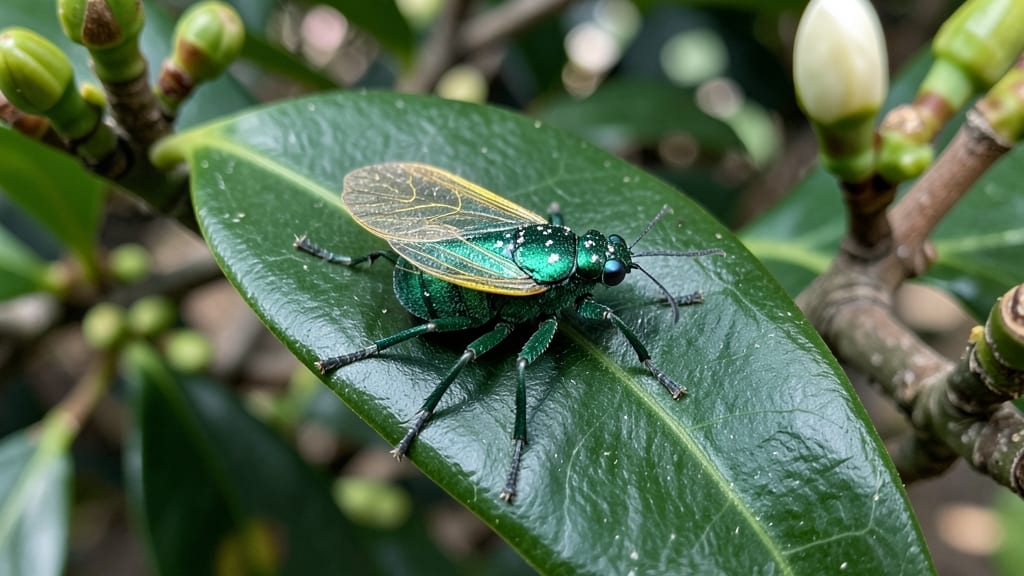
Making gardenias deer proof requires strategic protection using natural repellents like aromatic plants (lavender, rosemary), pungent barriers (garlic, cayenne pepper), or physical deterrents such as fencing and motion-activated sprinklers. These methods disrupt deer feeding patterns by targeting their sensitive senses.
Deer have an incredible sense of smell, which is why strong aromatic plants like lavender and rosemary work so well as natural deterrents. 🌿 These fragrant herbs mask the gardenia's scent, making the area less appealing to deer.
I've found that planting these around gardenias creates a protective barrier that deer instinctively avoid. Physical deterrents like motion-activated sprinklers add another layer of protection by startling deer away when they get too close.
For a more hands-on approach, creating DIY sprays with garlic or cayenne pepper can be highly effective. These strong-smelling solutions mimic the natural defenses of plants that deer avoid. The key is consistency—reapplying these deterrents every few weeks ensures they remain effective throughout the growing season.
💡 In This Article
- Why Deer Avoid Certain Plants and Scents
- Best Deer-Resistant Plant Pairings for Gardenias
Why deer avoid certain plants and scents
Deer rely heavily on their keen sense of smell, which is up to 1,000 times more sensitive than humans'. 🌿 When they encounter strong aromatic plants like lavender or rosemary, the volatile organic compounds (VOCs) in these herbs—such as linalool and camphor—trigger their avoidance instincts.
These compounds don't just smell unpleasant; they disrupt deer's natural foraging behavior by creating sensory discomfort, similar to how humans might recoil from the sharp scent of ammonia.
The texture of plants also plays a role. Deer prefer soft, tender foliage, but gardenias have thick, leathery leaves that require more effort to eat. When paired with prickly plants like barberry or Russian sage, the combination of rough textures and strong scents becomes a double deterrent.
Studies show deer will bypass areas where plants have hairy or spiky leaves, as these create physical discomfort during feeding.
Spicy compounds found in cayenne pepper and garlic are particularly effective because they contain capsaicin and allicin, respectively. These chemicals irritate deer's nasal passages and digestive systems, making them associate the area with unpleasant experiences.
Even a light spray of garlic-based repellent can create a 10-foot radius of avoidance, as deer will often steer clear of entire sections rather than risk encountering the scent again.
Seasonal variations also influence effectiveness. In spring and summer, when deer are most active, aromatic plants release 20-30% more VOCs due to higher temperatures and sunlight. This means repellents like lavender or rosemary work best during these months.
However, in winter, when deer rely more on stored fat, they may become bolder and less sensitive to scent-based deterrents, requiring additional physical barriers.
What most gardeners don't realize is that deer also avoid plants with bitter or toxic compounds, like foxglove or daffodils. These contain cardiac glycosides, which are harmful if ingested.
By strategically placing these plants near gardenias, you create a multi-layered defense system that targets both smell and taste preferences, making your gardenias far less appealing to deer.
For maximum effectiveness, combine 3-4 different repellent methods—such as planting lavender, applying a garlic spray, and installing motion-activated sprinklers. This layered approach exploits deer's sensory sensitivities from multiple angles, significantly reducing the likelihood of them browsing your gardenias.