
Flowers
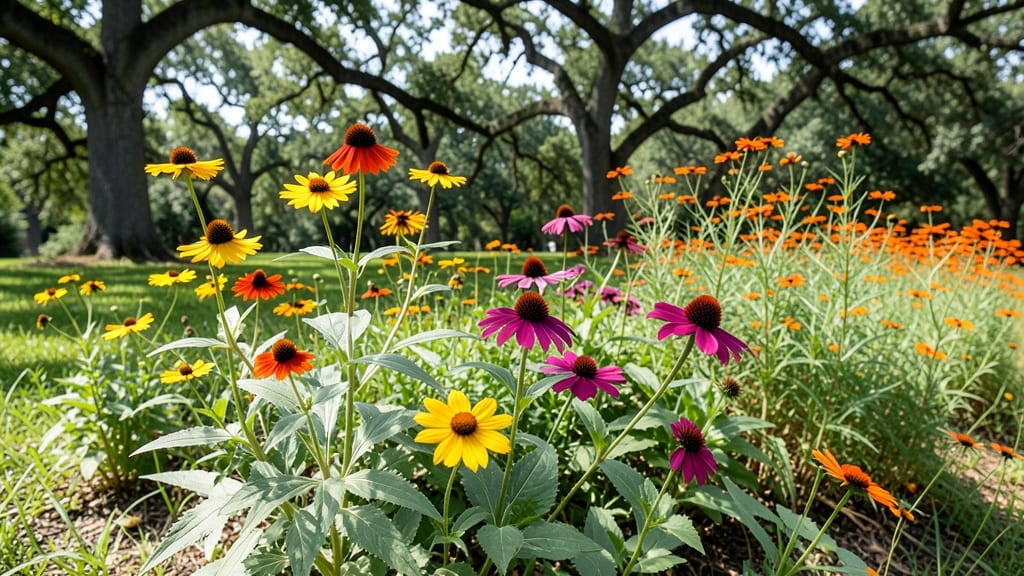
Exploring gardens in Ball Ground Georgia reveals vibrant public spaces like the Ball Ground City Park and Garden Park at the Ball Ground Community Center, showcasing native plants, seasonal displays, and scenic trails perfect for year-round enjoyment.
Ball Ground's gardens stand out for their ability to blend natural beauty with community accessibility. 🌿 The region's Piedmont climate creates ideal conditions for hardy native flora, including drought-resistant varieties that thrive throughout the seasons.
These spaces aren't just pretty—they're designed with practicality in mind, offering shaded areas, smooth pathways, and educational signage about local ecosystems.
What makes these gardens particularly special is their year-round appeal. Spring brings vibrant wildflowers, summer features lush shade gardens, autumn showcases fiery foliage, and winter maintains evergreen interest.
Whether you're a local looking for a peaceful retreat or a visitor seeking photo opportunities, these spaces deliver consistent charm with minimal maintenance needed.
💡 In This Article
- Why Ball Ground Georgia’s Gardens Thrive in the Piedmont Region
- Best Ball Ground Gardens for Seasonal Visits and Photography
Why Ball Ground georgia’s gardens thrive in the Piedmont region
Ball Ground’s gardens flourish thanks to the Piedmont region’s unique climate—a perfect blend of humidity, temperature, and rainfall that supports diverse plant life. The area experiences 4 distinct seasons with hot summers (85-90°F), cool winters (30-40°F), and moderate spring/fall transitions.
This climate range allows native plants like black-eyed Susans and purple coneflowers to thrive, while also accommodating drought-tolerant species that require minimal irrigation once established.
The soil composition plays a crucial role too. Ball Ground sits atop the Piedmont Plateau, where clay-rich, slightly acidic soils (pH 5.5-6.5) provide excellent drainage while retaining enough moisture for deep-rooted plants. Gardeners often amend this soil with organic matter like compost to improve aeration and nutrient availability.
This combination creates an ideal environment for both ornamental plants and hardy perennials that return year after year with minimal care.
Seasonal bloom cycles are another key factor in these gardens' success. Spring brings wildflowers like Virginia bluebells and trilliums, while summer showcases heat-loving species such as butterfly weed and smooth sumac.
The fall transition features fiery foliage from native oaks and maples, and winter maintains interest with evergreens like eastern red cedar and inkberry holly. This rotational beauty ensures gardens remain vibrant throughout the year without relying on high-maintenance annuals.
What makes Ball Ground’s gardens particularly resilient is their focus on native and adapted species. Unlike non-native plants that often require pesticides or extra water, these local varieties have evolved alongside the region’s climate, developing natural resistance to pests and diseases.
For example, eastern redbud trees bloom reliably each spring with minimal intervention, while switchgrass thrives in drier areas without supplemental irrigation. This ecological harmony reduces maintenance costs while creating sustainable landscapes.
Local gardeners also leverage the Piedmont’s microclimates—small areas with slightly different conditions—that allow for diverse planting zones. A north-facing slope might support moisture-loving ferns, while a south-facing hillside could feature sun-loving lavender or Russian sage.
This strategic placement maximizes both beauty and functionality, ensuring every corner of the garden has something to offer year-round.
For visitors and locals alike, these thriving gardens serve as living classrooms about sustainable landscaping. The combination of native plants, efficient irrigation systems, and thoughtful design demonstrates how beautiful gardens can coexist with environmental responsibility.
Whether you're admiring a 100-year-old oak or a carefully curated wildflower meadow, you're seeing proof of how nature and design can work in perfect harmony.