
Vegetables
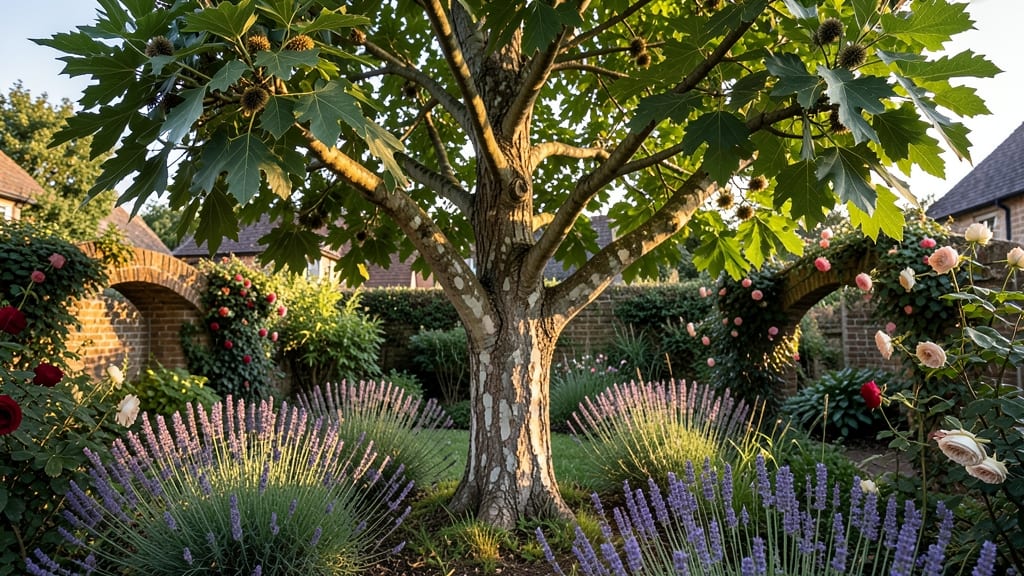
London England's gardens range from sprawling royal parks like Hyde Park and Kensington Gardens to world-class botanical collections such as Kew Gardens and Hampstead Heath. These green spaces showcase diverse flora, seasonal displays, and tranquil settings perfect for city escapes.
London's gardens aren't just pretty scenery—they're living ecosystems that blend history with nature. 🌿 The city's 2,500 public parks include everything from Kew's 18 glasshouses (home to rare orchids) to Hampstead Heath's wildflower meadows, which support local pollinators.
What's fascinating is how these spaces evolved: many were designed in the 19th century to provide fresh air for industrial-era residents, while today they serve as climate change buffers through their tree canopies.
Beyond their ecological value, these gardens offer practical perks for visitors. Kensington Gardens lets you walk through the Peter Pan statue's magical setting, while Regent's Park hosts free outdoor concerts in summer. The best part?
Most are free to enter, with only a few like Kew Gardens charging modest fees for specialized exhibits. Pro tip: Visit Chelsea Physic Garden in spring for its famous tulip displays—it's one of London's oldest botanical gardens, dating back to 1673.
💡 In This Article
- London’s Most Famous Botanical Gardens and Their Unique Features
- How to Plan a Visit to London’s Best Public Gardens
London’s most famous botanical gardens and their unique features
Kew Royal Botanic Gardens stands as a global leader in plant science, housing over 30,000 plant species across 132 hectares of land. Its iconic glasshouses—like the Temperate House, the world’s largest Victorian glasshouse—create microclimates that mimic tropical and temperate zones.
Inside, you’ll find rare specimens like the giant water lily (Victoria amazonica) that can support a child’s weight on its leaves, or the carnivorous pitcher plants that lure insects with their vibrant colors.
The gardens also play a critical role in conservation, with programs that preserve endangered species like the Madagascar palm, which was once thought extinct in the wild.
Chelsea Physic Garden, founded in 1673, is London’s oldest botanical garden and a living pharmacy of medicinal plants. Here, you’ll walk through sections dedicated to herbal remedies, where plants like foxglove (used for heart medications) and opium poppies (source of morphine) are grown alongside culinary herbs.
The garden’s 11,000-square-foot glasshouse maintains precise humidity levels to nurture delicate species, while the open-air beds showcase how plants interact with pollinators. What’s striking is how the garden bridges history and modern science—its archives contain 18th-century herbals, while today it collaborates with pharmaceutical companies to study plant-based drugs.
Regent’s Park’s rose gardens are a sensory masterpiece, featuring over 1,500 rose bushes spanning 10,000 square meters. The National Rose Collection includes rare varieties like the ‘Souvenir de la Malmaison’, a 19th-century French rose with velvety petals and a intoxicating fragrance.
The garden’s design follows a geometric layout that maximizes sunlight exposure, ensuring roses bloom from May through October. Visitors often overlook the hidden water features, like the Italian Garden’s fountain, which adds a soothing soundtrack to the floral displays.
The park’s free outdoor concerts in summer make it a cultural hub too.
Hampstead Heath’s wildflower meadows serve as a vital biodiversity hotspot, supporting over 500 plant species and 200 butterfly varieties. Unlike manicured gardens, these meadows follow a natural regeneration cycle, where plants like oxeye daisies and common knapweed thrive without pesticides.
The heath’s 100-meter-high Parliament Hill offers panoramic views of London’s skyline, while its Parliament Hill Fields host 24-hour access for picnickers and stargazers. The site’s history as a prehistoric hunting ground adds another layer—archaeologists have uncovered Neolithic tools here, linking the land to 6,000 years of human activity.
Each garden plays a unique ecological role: Kew’s glasshouses act as climate-controlled laboratories, Chelsea’s medicinal beds preserve traditional knowledge, Regent’s roses showcase horticultural artistry, and Hampstead’s meadows demonstrate wildlife conservation.
The key difference lies in their purpose—whether it’s scientific research, historical preservation, or urban biodiversity. Visiting them all reveals how London’s green spaces adapt to serve both nature and people.
What most people don’t realize is how these gardens influence the city’s microclimate. Kew’s tree canopy reduces local temperatures by up to 5°C in summer, while Hampstead Heath’s open spaces create natural wind tunnels that ventilate the urban area.
These green lungs aren’t just pretty—they’re engineered ecosystems that improve air quality and reduce heat island effects. 🌿