
Tools
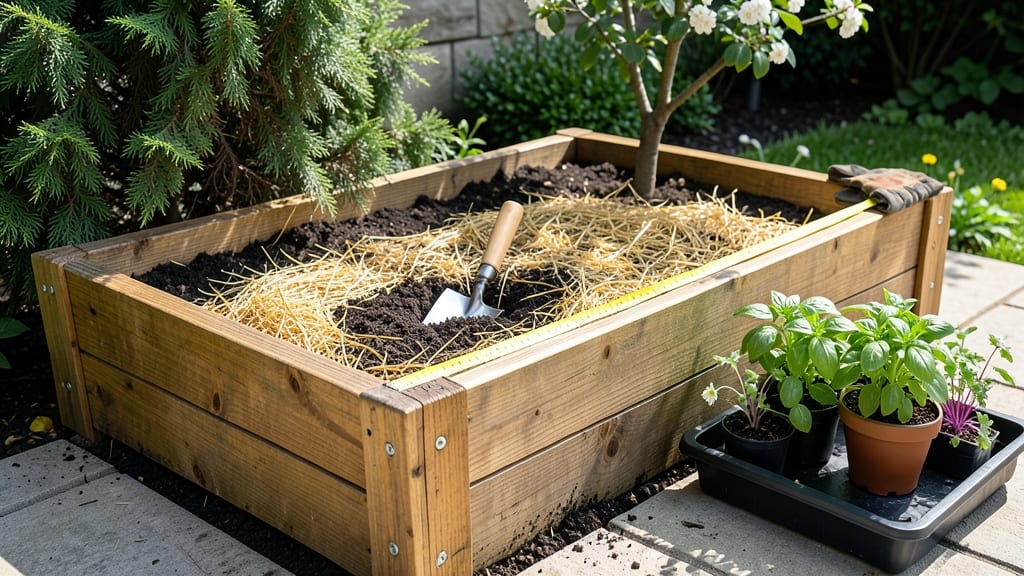
The ideal dimensions for raised garden beds prioritize accessibility and space efficiency: maintain widths under 4 feet for easy reach from both sides, set heights between 6 to 12 inches for proper soil depth, and design lengths to fit your planting plan while leaving 18-24 inches of walkway space between beds.
Raised garden bed dimensions directly impact how well you can tend to your plants without straining your back or wasting space. 🌱 A 4-foot width is the golden standard because it lets you reach the center from either side without overreaching—critical for maintaining healthy plants and avoiding soil compaction from stepping.
Heights between 6 and 12 inches strike the perfect balance: deep enough for most root vegetables (like carrots or potatoes) while keeping the bed lightweight and manageable for filling with quality soil.
The walkway spacing isn't just about convenience; it prevents soil erosion from foot traffic and makes seasonal tasks like harvesting or weeding far more efficient.
Pro tip: If you're working with limited space, consider multi-tiered beds or narrower widths (2-3 feet) for urban gardens. Just be sure to leave that 18-inch walkway—it's your secret weapon for keeping the garden both productive and enjoyable. 💫
💡 In This Article
- Why Raised Garden Bed Dimensions Matter for Plant Health
- Designing Accessible Raised Beds for Different Spaces
Why raised garden bed dimensions matter for plant health
Raised garden beds aren't just about aesthetics—their dimensions directly influence plant health through soil depth and root development. A 6-inch minimum height ensures adequate soil volume for shallow-rooted plants like lettuce or radishes, while 12-inch depths accommodate deeper-rooted varieties such as carrots or potatoes.
The extra soil also warms up faster in spring, giving plants a head start. 🌱 For example, a 12-inch-deep bed can support tomatoes or peppers, whose roots may extend up to 24 inches in ideal conditions—but shallower beds still work if you prioritize smaller crops like herbs or greens.
Moisture retention is another critical factor tied to dimensions. Wider beds (4 feet or less) allow sunlight to penetrate the soil more evenly, reducing evaporation and preventing the dry, crusty top layer that can suffocate plant roots.
Narrower beds (2-3 feet) dry out faster, requiring more frequent watering—something to consider if you're managing an urban garden with limited time. The walkway spacing (18-24 inches) also plays a role here: it prevents soil compaction from foot traffic, which can disrupt root systems and limit nutrient absorption.
Accessibility isn’t just about your comfort—it’s about maintenance efficiency. A 4-foot width lets you stand comfortably in the middle of the bed without stepping on the soil, which compacts it and reduces aeration. Over time, compacted soil can strangle roots and limit water penetration, leading to stunted growth.
For taller plants like corn or sunflowers, wider beds may be necessary, but even then, keeping the bed’s overall footprint manageable ensures you can still reach the center without strain. 💫 Think of it like a well-designed kitchen: the layout should support the workflow, not hinder it.
Material choice also interacts with dimensions. Wooden beds with 6-inch heights are lightweight and easy to fill with soil, but they may require more frequent refilling as the wood decomposes over time.
Stone or brick beds, on the other hand, offer permanence but can be heavier and more labor-intensive to build. If you're using cedar or redwood (naturally rot-resistant), you can afford slightly taller beds (12 inches) without worrying about structural integrity.
For metal or composite materials, check the manufacturer’s weight limits—some may not support the same depth as wood.
Finally, consider the microclimate created by your bed’s dimensions. Taller beds (12 inches) can trap heat better in cooler climates, extending the growing season for heat-loving plants like peppers or eggplants.
In hotter regions, shallower beds (6 inches) may help prevent soil from overheating, which can stress plant roots.
The key is to match your bed’s dimensions to your local climate and the plants you’re growing—because the right size isn’t just about convenience; it’s about creating the ideal environment for your garden to thrive.
For instance, in a humid climate, a 12-inch-deep bed with a 4-foot width might be perfect for growing tomatoes, while in a dry, arid region, you might opt for shallower beds (6 inches) with wider walkways to reduce water loss.
The dimensions you choose should reflect both your plants’ needs and your garden’s unique conditions.