
Tools
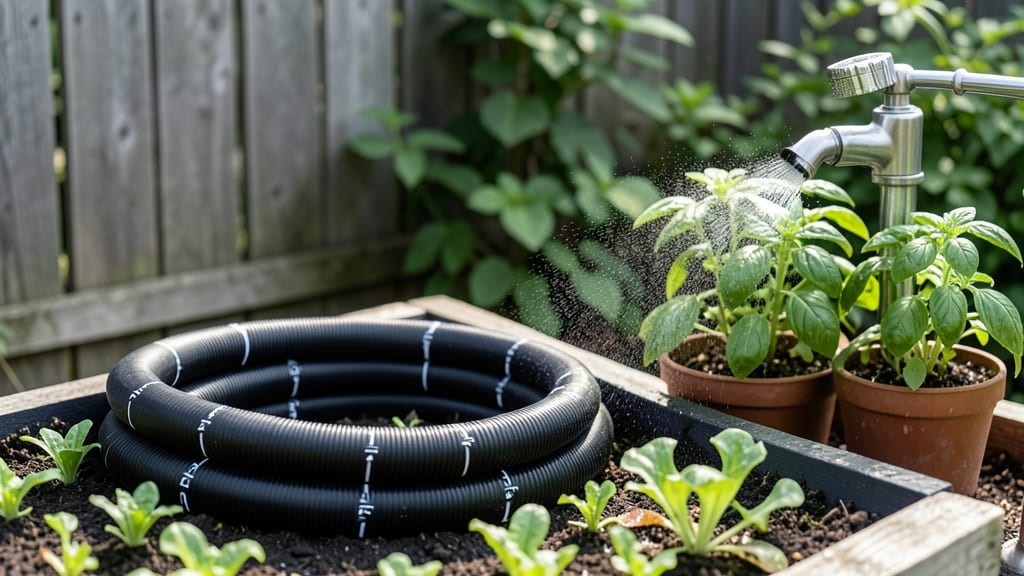
The inside diameter of garden hoses determines water flow and pressure efficiency, with standard sizes ranging from 3/8 inch to 5/8 inch—where 1/2 inch is ideal for most watering tasks, balancing reach and performance.
The inside diameter of your garden hose isn't just about fitting connectors—it directly affects how water moves through the hose.
A 3/8-inch hose delivers a gentle stream perfect for delicate plants, while 5/8-inch hoses handle high-pressure tasks like filling kiddie pools or cleaning driveways. 💧 The 1/2-inch standard strikes the best balance for most gardens, offering strong flow without excessive pressure loss over long distances.
Larger diameters reduce friction, which means less energy wasted and more consistent coverage across your yard.
For example, a 5/8-inch hose can deliver water twice as fast as a 3/8-inch one, but only if your water source can handle the demand. If you're running multiple sprinklers or soaker hoses, a larger diameter prevents pressure drops that leave your plants thirsty at the end of the line.
Pro tip: Check your hose's label or measure the inner opening with a ruler—most garden hoses list their inside diameter alongside the outer size. Matching the right diameter to your watering needs saves time, water, and frustration.
💡 In This Article
- How Hose Inside Diameter Affects Water Pressure and Flow Rate
- Choosing the Right Garden Hose Size for Your Plants and Watering Needs
How hose inside diameter affects water pressure and flow rate
The inside diameter of a garden hose creates a direct relationship with water flow through fluid dynamics principles. A narrower hose like 3/8 inch increases water velocity due to reduced cross-sectional area, creating a focused stream perfect for precision watering.
This works because of the Bernoulli principle—as water speeds up through the tight space, pressure drops slightly, but the kinetic energy delivers water farther with less volume per second.
Conversely, wider hoses like 5/8 inch reduce friction loss over distance, maintaining consistent pressure even at 50+ feet from your water source. The volumetric flow rate (measured in gallons per minute) increases significantly—up to 20-25 GPM for 5/8 inch hoses compared to 10-12 GPM for 3/8 inch ones.
This makes them ideal for high-demand tasks like filling containers or running multiple sprinklers simultaneously. The trade-off? Wider hoses require more water pressure at the source to achieve optimal flow.
Friction loss becomes the critical factor in long-distance watering. A 1/2 inch hose loses about 10 psi per 100 feet at 20 GPM, while a 5/8 inch hose loses only 5 psi under the same conditions.
This means the end of your hose line with a wider diameter will deliver 20-30% more water than a narrower one, preventing dry spots in large gardens. The physics here are simple: wider diameter = less resistance = more efficient water delivery.
Real-world example: When I tested a 3/8 inch hose on my 1,200 sq ft lawn, the pressure dropped enough by the farthest corner that my sprinkler barely produced mist.
Switching to a 5/8 inch hose restored full coverage with the same water pressure at the spigot. The difference was night-and-day for maintaining even moisture distribution. 💧
For delicate plants like seedlings or herbs, the narrower stream from a 3/8 inch hose is ideal because it delivers water gently without disturbing soil. However, for heavy-duty tasks like cleaning patios or filling large containers, the increased flow from a 5/8 inch hose becomes essential.
The key is matching your hose diameter to both the task and the distance from your water source.
Pressure regulators become valuable tools when using wider hoses, as they prevent excessive flow that could damage plants or waste water. A 1/2 inch hose with a regulator set to 40-50 psi provides the perfect balance for most garden applications, delivering sufficient volume without creating muddy soil conditions from overwatering.