
Tools
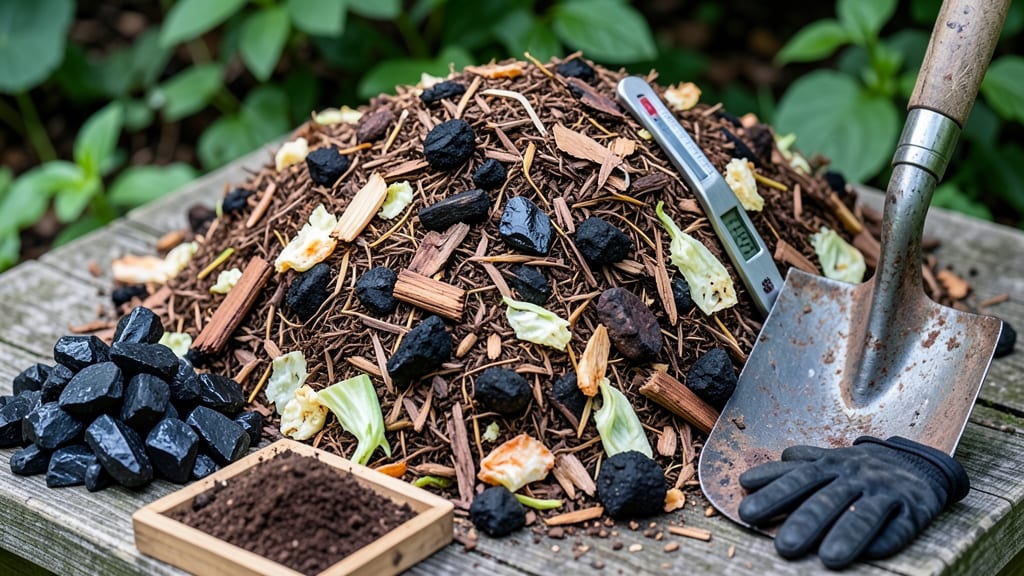
Coal is not good for the garden because it raises soil pH drastically, creating alkaline conditions that harm most plants, while also introducing toxic chemicals like sulfur and heavy metals that stunt growth or kill vegetation over time.
Using coal in your garden might seem like a quick fix for acidic soil, but it actually creates more problems than solutions. 🌱 The high mineral content—especially limestone-like compounds—pushes soil pH toward alkaline levels, which choke out acid-loving plants like blueberries, azaleas, and potatoes.
Even worse, coal contains sulfur that oxidizes into harmful acids, while heavy metals like arsenic and mercury accumulate in the soil, poisoning plant roots over time. I’ve seen gardens where coal was used as a "pH balancer" end up with stunted, yellowing foliage because the soil became chemically toxic.
Instead of risking long-term damage, focus on organic amendments like compost or peat moss to adjust pH naturally. For alkaline soil, sulfur-based products are far safer, and DIY pH test kits can help you monitor changes without harming your plants.
The key is patience—healthy soil takes time, but the rewards are worth it.
💡 In This Article
- How Coal Alters Soil Chemistry and Plant Health
- Safer Alternatives for Amending Acidic or Poor Garden Soil
How coal alters soil chemistry and plant health
The problem starts with coal's mineral composition. When added to soil, coal releases calcium and magnesium oxides—similar to crushed limestone—which react with water to form alkaline compounds.
These raise the soil's pH from a healthy 6.0-7.0 range to 7.5 or higher, creating conditions where nutrients like iron, manganese, and phosphorus become locked away and unavailable to plants. 🌱 For example, acid-loving plants such as blueberries (pH 4.5-5.5) or azaleas (pH 4.5-6.0) will immediately show signs of stress: yellowing leaves, stunted growth, and even death within weeks.
Coal also contains sulfur compounds that oxidize when exposed to air and moisture, forming sulfurous acid—a process that might seem counterintuitive since coal is often used to "fix" acidic soil. However, this acidity is temporary and uneven, creating localized toxic pockets in the soil.
The real danger lies in the heavy metals—arsenic, mercury, and lead—found in trace amounts in coal. These metals accumulate over time, disrupting cellular functions in plant roots and blocking nutrient absorption.
Studies show that even small concentrations (0.1 ppm) can reduce root growth by 30-50%, making plants more susceptible to disease and drought.
What most gardeners don’t realize is how coal disrupts the soil microbiome—the beneficial bacteria and fungi that break down organic matter and make nutrients accessible. The alkaline shift and metal toxicity create an inhospitable environment for these microbes, further degrading soil structure.
For instance, tomatoes—one of the most common garden crops—require a pH of 6.0-6.8 for optimal growth. If coal raises the pH to 8.0, you’ll see blossom-end rot (a calcium deficiency) and poor fruit development, despite adding fertilizer.
Visual clues of coal damage include white, crusty deposits on soil surfaces (from mineral buildup) and plants with dark, brittle leaves—a sign of nutrient starvation. Unlike organic amendments, coal doesn’t break down or improve soil fertility; it simply alters the chemistry in harmful ways.
The effects are irreversible without complete soil replacement, making coal a short-term fix with long-term consequences.
Consider this: A single 5-pound bag of coal can raise the pH of 100 square feet of garden soil by 1.5-2.0 points—enough to devastate a blueberry bush or a row of hydrangeas. The damage isn’t just aesthetic; it’s systemic, affecting the entire ecosystem of your garden. 💥