
Vegetables
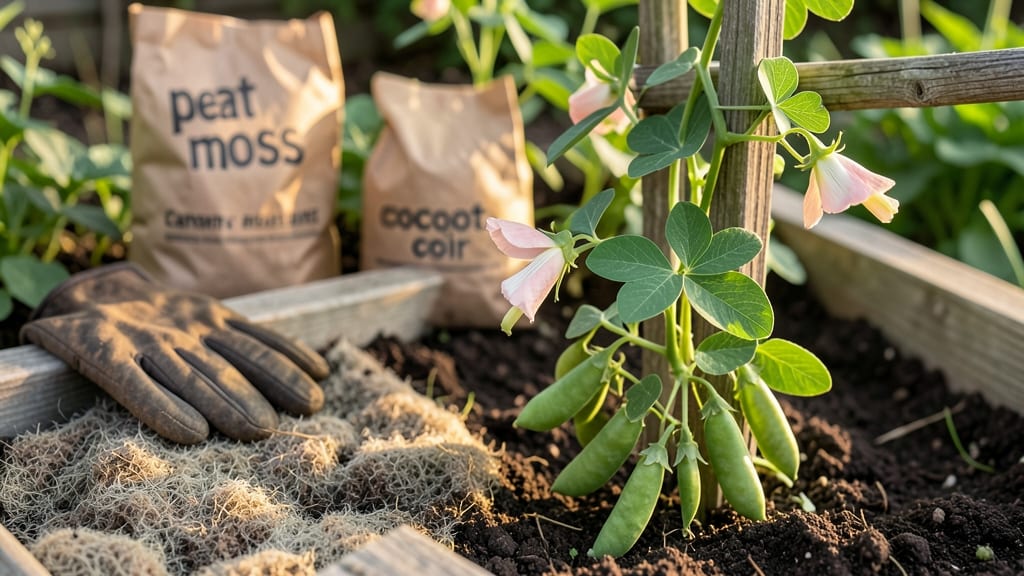
Peat moss is good for vegetable gardens because it improves soil drainage, retains moisture, and adds acidity, but its environmental impact and sustainability concerns make alternatives like coconut coir or composted bark preferable for long-term gardening.
Peat moss boosts vegetable gardens by creating an ideal growing medium—it holds water without suffocating roots while improving aeration. 🌱 The organic matter also helps lock in nutrients, which is especially helpful for heavy feeders like tomatoes and peppers.
However, its slow decomposition means you'll need to replenish it more often than compost-based amendments. Plus, harvesting peat damages fragile ecosystems, so many gardeners now opt for renewable alternatives like coconut coir or well-aged compost that deliver similar benefits without the environmental cost.
For acid-loving plants like blueberries or potatoes, peat moss remains a top choice—but even then, mixing it with compost creates a more balanced, sustainable soil blend.
The key is matching your garden's specific needs to the right amendment, whether that's peat moss for quick drainage fixes or coir for long-term organic matter.
💡 In This Article
- How Peat Moss Enhances Vegetable Garden Soil
- Eco-Friendly Alternatives to Peat Moss for Gardens
How peat moss enhances vegetable garden soil
Peat moss works like a natural sponge in vegetable gardens, holding up to 3-5 times its weight in water while still allowing air to circulate around roots. This balance prevents both waterlogging and drought stress—critical for vegetables like lettuce and carrots that need consistently moist but well-aerated soil.
The fibrous structure creates tiny air pockets that improve oxygen flow to roots, which is especially valuable in heavy clay soils where compaction often suffocates plant growth.
The real magic happens at the molecular level. Peat moss has a pH of 3.5-4.5, making it ideal for acid-loving vegetables like tomatoes and blueberries, but its buffering capacity also helps neutralize alkaline soils.
When mixed with garden soil at a 20-30% ratio, it gradually raises acidity while improving tilth (soil texture). The organic matter slowly decomposes, releasing nutrients over months rather than weeks—unlike fresh compost—which provides long-term food for beneficial microbes that break down organic material into plant-available forms.
For root development, peat moss creates an optimal environment. Studies show it encourages finer, more extensive root systems in vegetables by maintaining consistent moisture levels without compacting like sand or clay. The fibrous texture also prevents soil crusting on the surface, which helps seedlings emerge more easily.
However, this benefit comes with a trade-off: peat moss doesn't provide significant nutrients itself—it's primarily a soil conditioner rather than a fertilizer, so pairing it with compost or well-rotted manure maximizes results.
What most gardeners overlook is how peat moss affects soil temperature. Its dark color absorbs heat during the day but releases it slowly at night, creating a more stable thermal environment for vegetable roots. This is particularly valuable in cooler climates where soil temperatures fluctuate widely.
The downside? Peat moss doesn't warm up as quickly as compost in spring, which can delay early planting for cold-sensitive crops like peppers.
Consider these key factors when using peat moss:
- Water retention: Holds 40-60% more water than sand but drains 20% faster than clay
- pH adjustment: Lowers soil pH by 0.5-1.0 points per application
- Root zone: Ideal for shallow-rooted veggies like radishes but may need mixing for deep-rooted crops
- Longevity: Lasts 1-3 years before needing replenishment
The environmental cost comes from how peat moss is harvested—it takes 1,000 years for peat to form naturally, yet we extract it at rates that destroy wetlands faster than they can regenerate.
For vegetable gardens, this means the short-term benefits often outweigh the long-term sustainability concerns, but smart gardeners now blend peat moss with 30-50% compost to reduce dependency while maintaining soil quality.