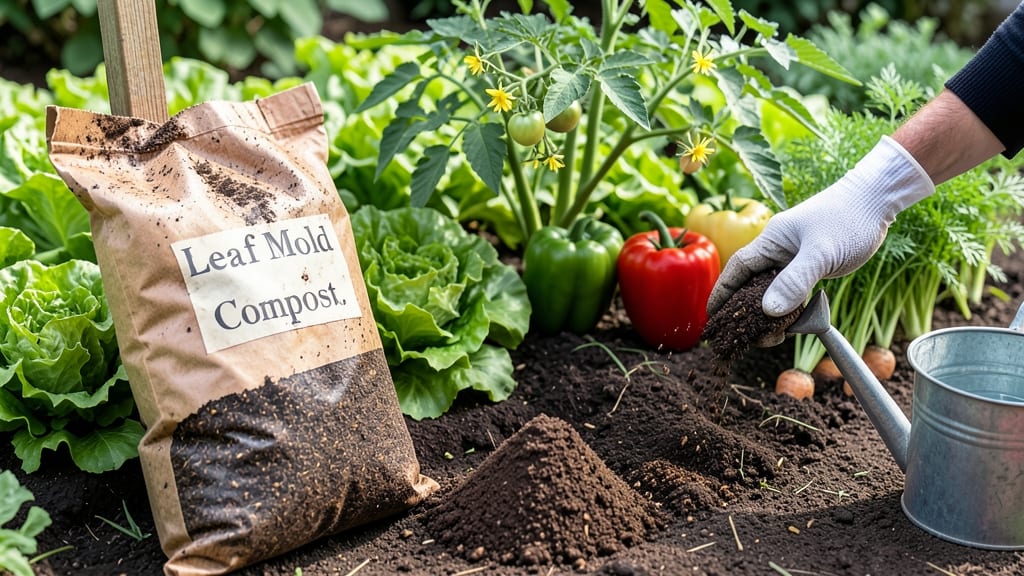
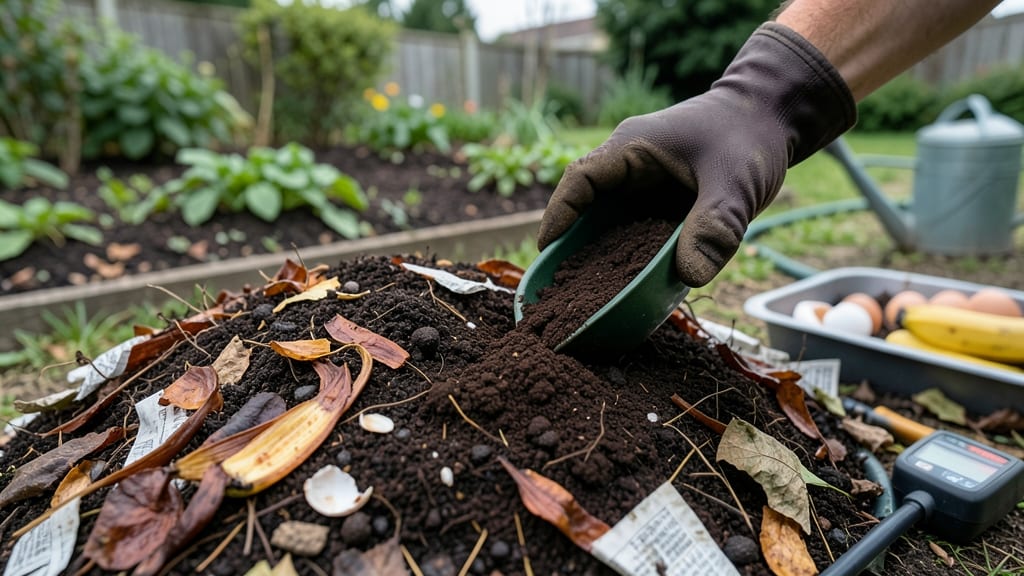
💥 Quick Answer Leaf compost is good for vegetable gardens when properly aged, enriching soil with organic matter and nutrients like potassium while improving moisture retention. However, fresh leaves can deplete…
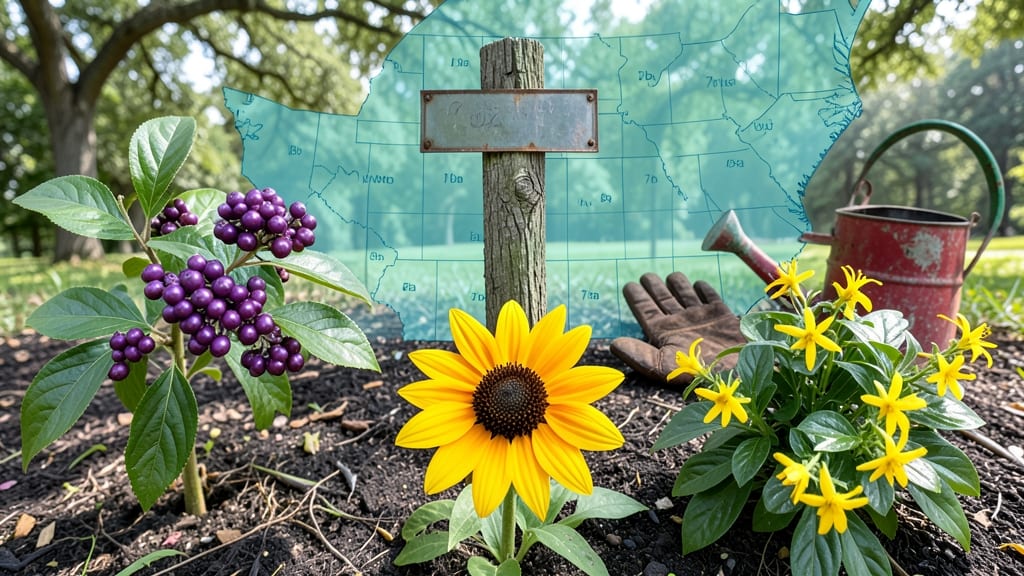
💥 Quick Answer North Carolina's gardening zones span 5b through 8b, creating distinct planting windows—cool-season crops like spinach can go in Zone 5b by late January, while Zone 8b gardeners plant tomatoes as early as…
💥 Quick Answer The Phila Garden Show 2024 runs from March 15-17 at the Pennsylvania Convention Center, featuring 300+ exhibitors, rare plant displays, and expert-led workshops on urban gardening and sustainable…
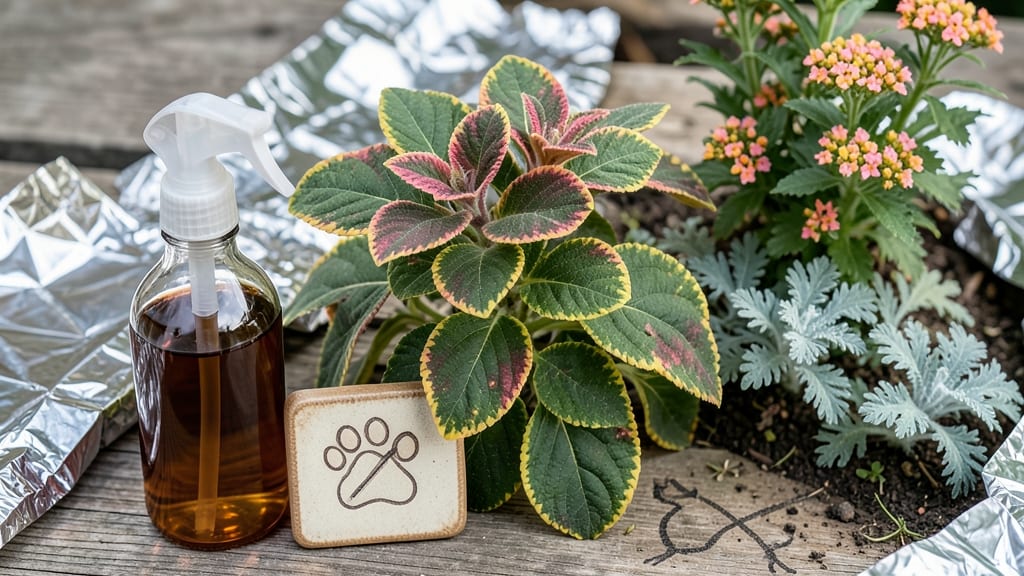
💥 Quick Answer To repel cats from your garden, use natural deterrents like citrus peels, coffee grounds, or fragrant herbs such as rosemary and lavender. Physical barriers like prickly plants or motion-activated…
💥 Quick Answer Understanding San Diego’s garden zone is key to successful planting: the region falls within USDA Hardiness Zones 9b–11, with frost typically occurring between January 25–February 15 in most areas, though…
💥 Quick Answer A sharp garden hoe needs blade angles between 30° and 45° for clean cuts, plus high-carbon steel or stainless steel to resist wear. Skip flimsy blades that warp under pressure. A 30° blade excels at…
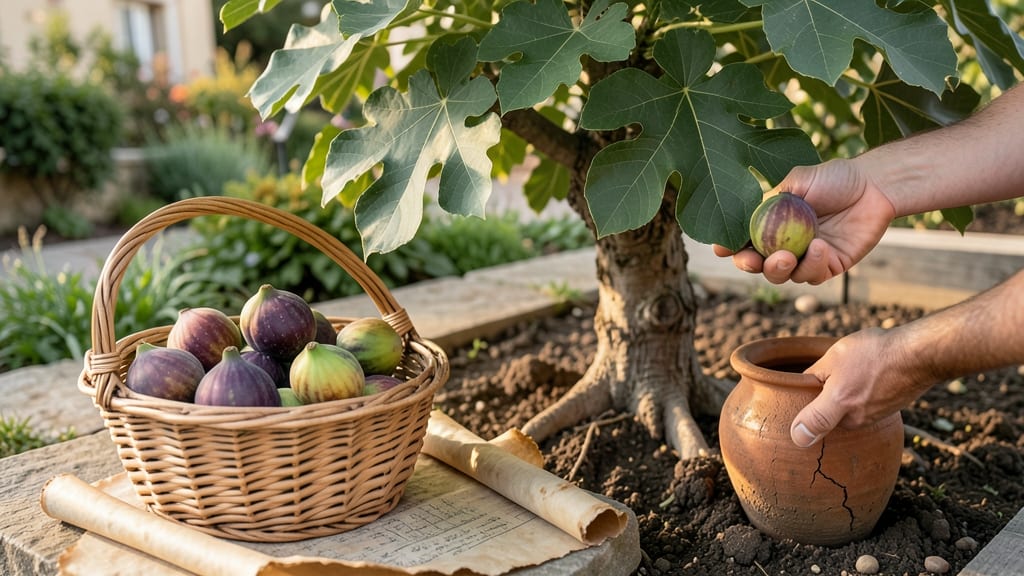
💥 Quick Answer The Garden in the Bible primarily represents Eden, where humanity’s story began with Adam and Eve surrounded by abundant life, including the iconic Tree of Life and Tree of Knowledge. This sacred space…
💥 Quick Answer Using the used coffee grounds for the garden boosts soil fertility with nitrogen, acidity, and organic matter while keeping pests like slugs and ants away. Apply them sparingly around plants or mix into…
💥 Quick Answer Watering garden at night harms plants by promoting fungal diseases, encouraging slug and pest activity, and slowing evaporation, which keeps soil too wet for root health. Morning or early afternoon…