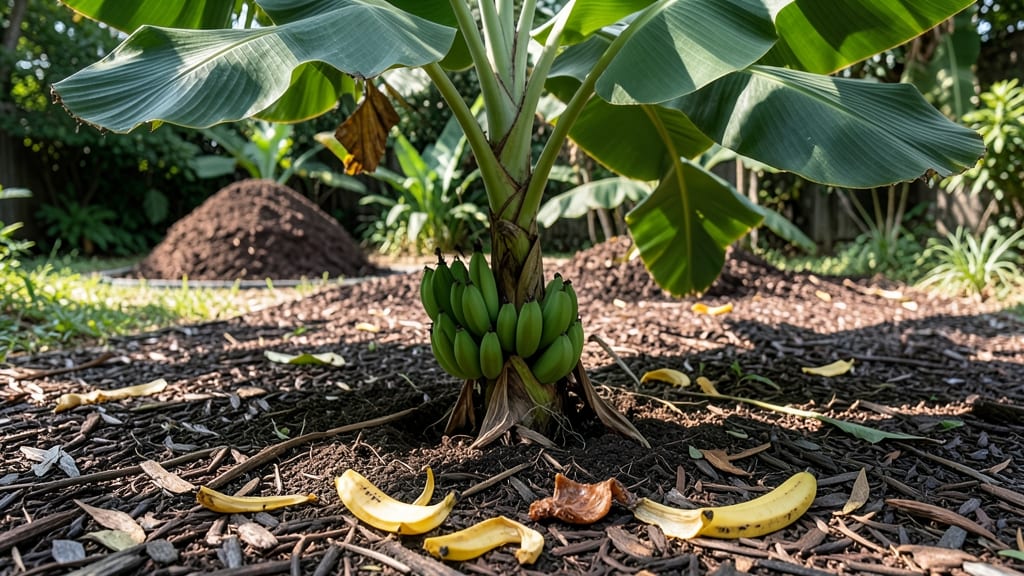
💥 Quick Answer Using banana skins in the garden naturally repels pests like aphids and ants while enriching soil with potassium and phosphorus, breaking down slowly to boost microbial activity and plant growth. Simply…
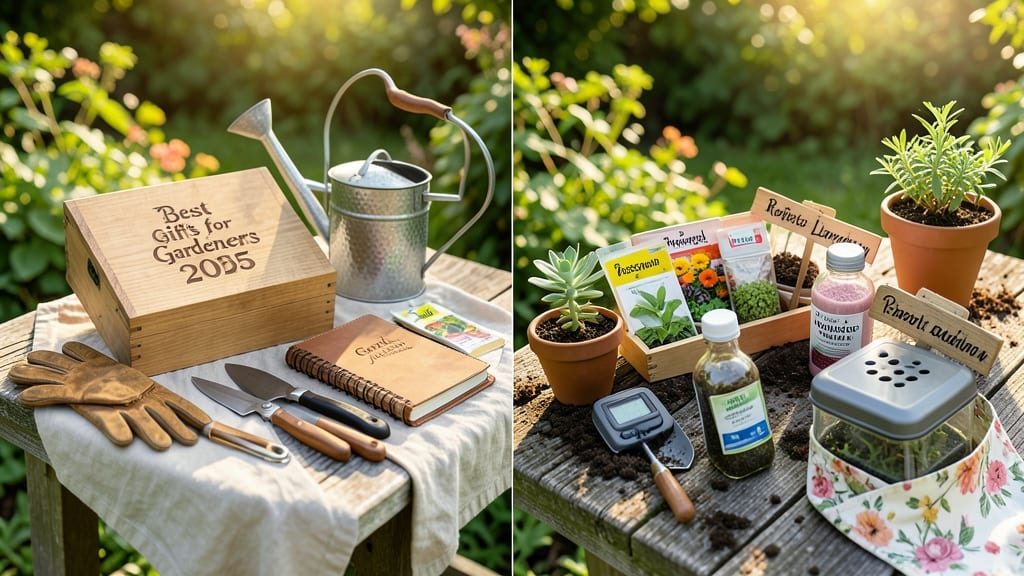
💥 Quick Answer The best gifts for gardeners in 2025 are heirloom seed collections, ergonomic pruning shears, and self-watering planters that make plant care easier. Tech-forward options like personalized garden markers…
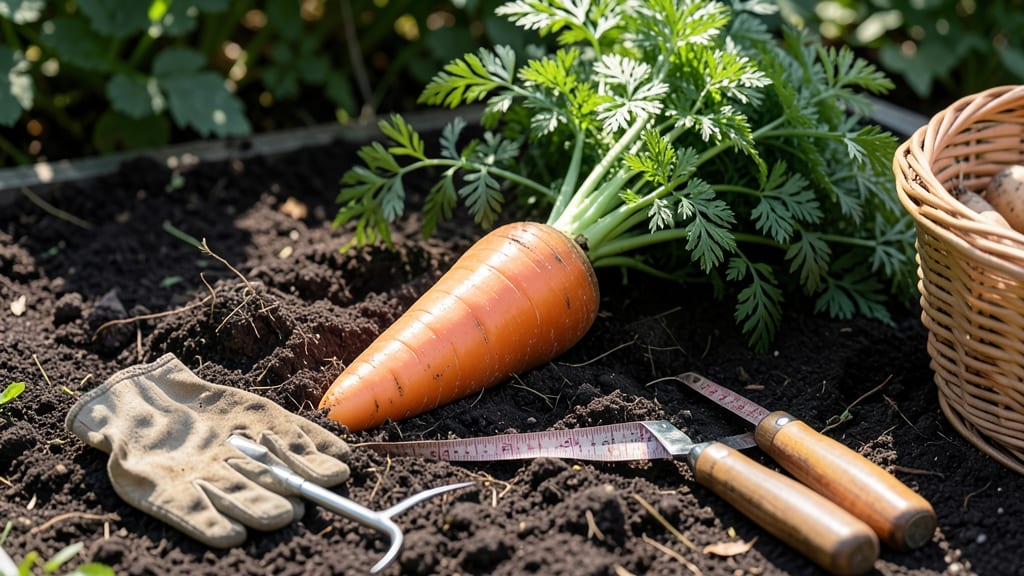
💥 Quick Answer To grow the biggest carrots in your garden, focus on planting in deep, loose soil (at least 12 inches) rich in organic matter, spacing rows 12-18 inches apart, and thinning seedlings to 3-4 inches apart…
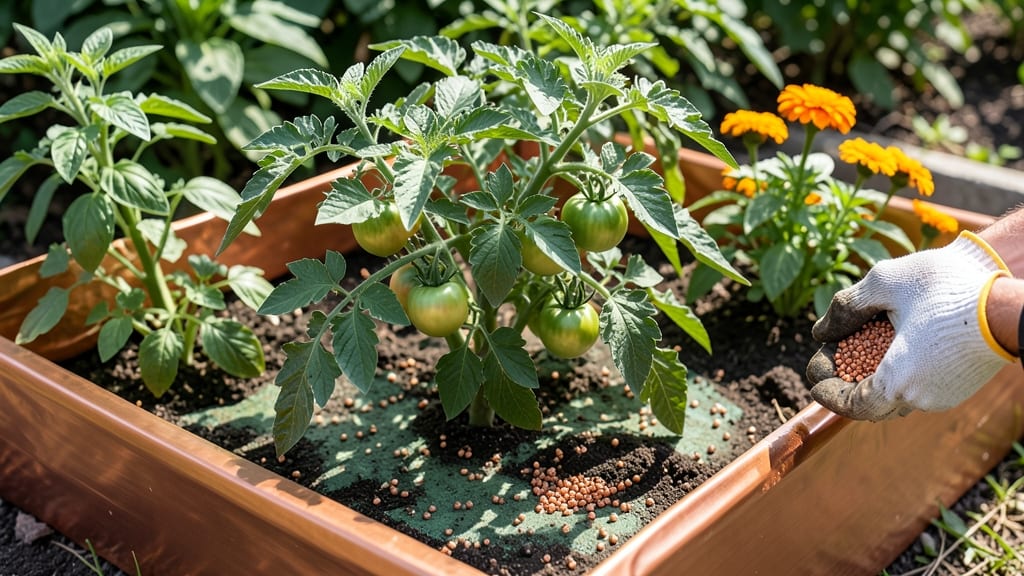
💥 Quick Answer Using copper in garden beds boosts soil health by stimulating beneficial microbes, fighting fungal infections, and improving nutrient absorption—but too much can damage plants and throw off soil balance…
💥 Quick Answer To deter deer from your garden, use a mix of repellents and physical barriers like fencing or netting, since deer avoid threats based on sight, scent, and taste. Begin with natural sprays, then add…
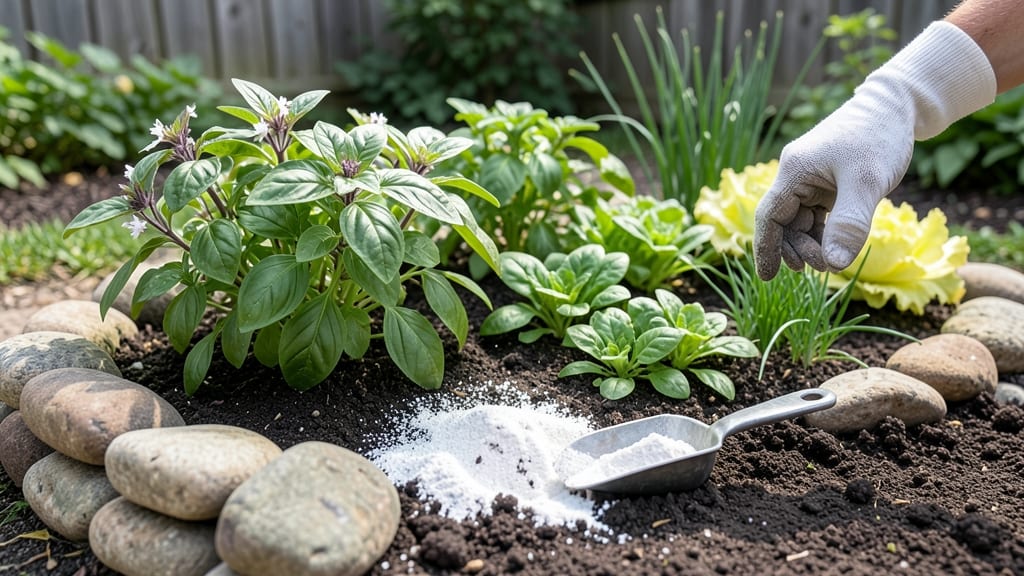
💥 Quick Answer Diatomaceous earth in garden beds works by dehydrating pests like slugs, ants, and beetles through microscopic silica particles, but must be applied carefully to prevent overuse or wind spreading. Use…
💥 Quick Answer Incorporating egg shells in the garden enhances soil quality by supplying essential calcium, acts as a natural pest deterrent, and promotes healthier seedling development when mixed into compost or soil…
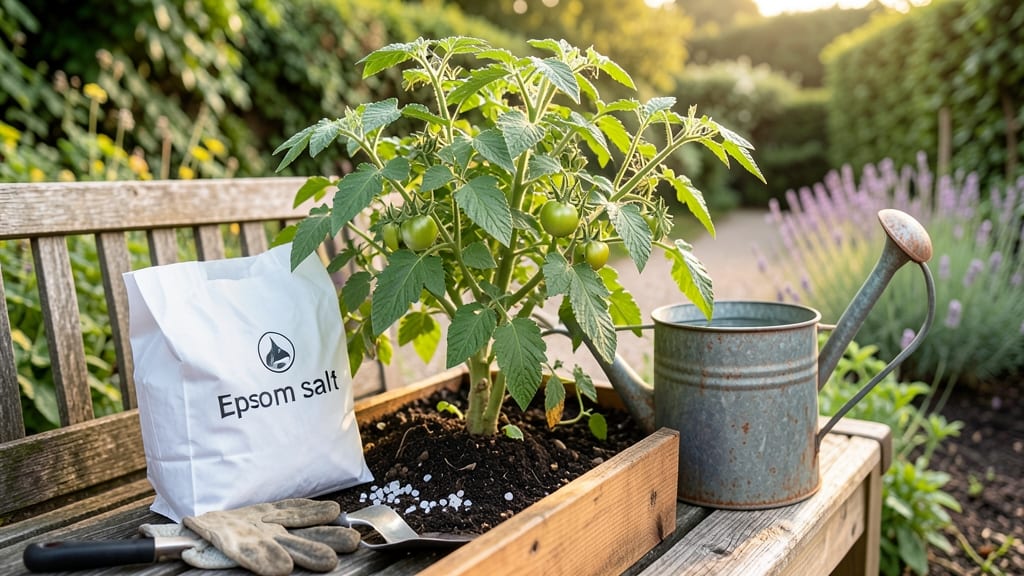
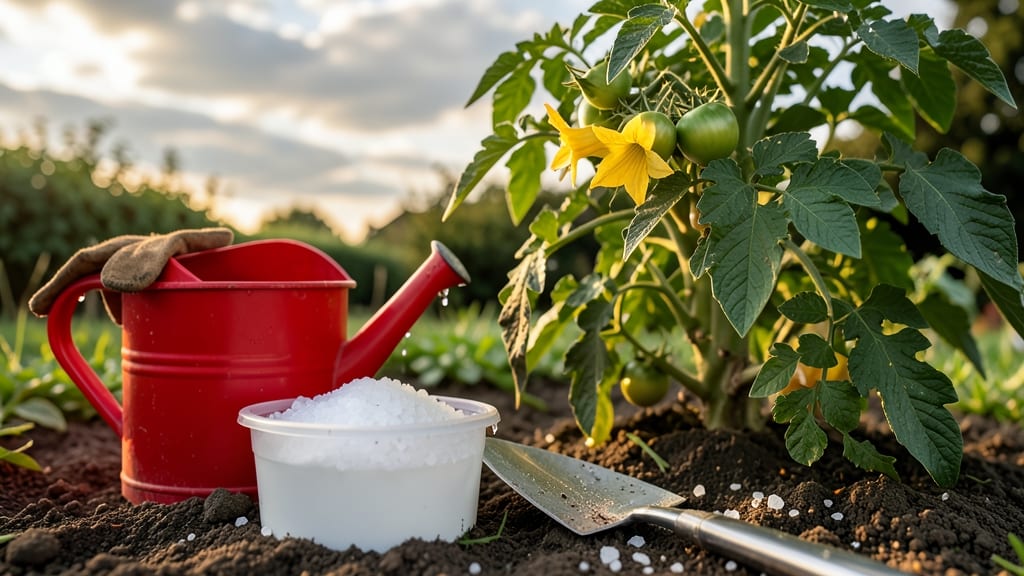
💥 Quick Answer Using Epsom salt for garden soil provides essential magnesium and sulfur that prevent yellowing leaves, weak growth, and poor blooms in plants like tomatoes, peppers, and roses. Mix 1 tablespoon per foot…
💥 Quick Answer Epsom salt for veggie garden boosts magnesium and sulfur levels, which fortify root systems, improve chlorophyll production, and prevent common deficiencies like yellowing leaves or stunted growth in…