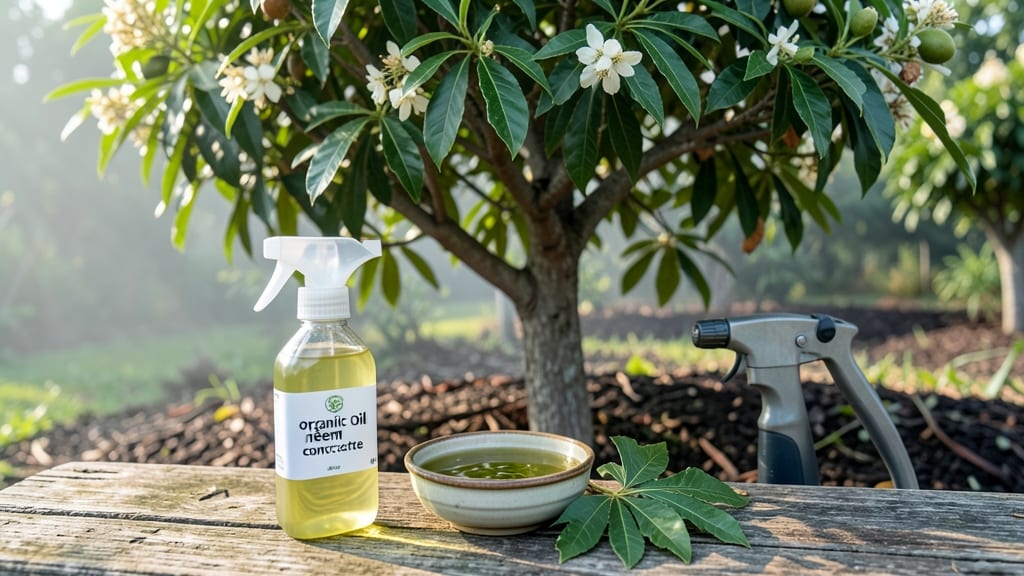
💥 Quick Answer Neem oil in organic gardening serves as a powerful natural pesticide, fungicide, and soil enhancer by targeting pests' life cycles while preventing fungal growth. When used correctly, it strengthens…
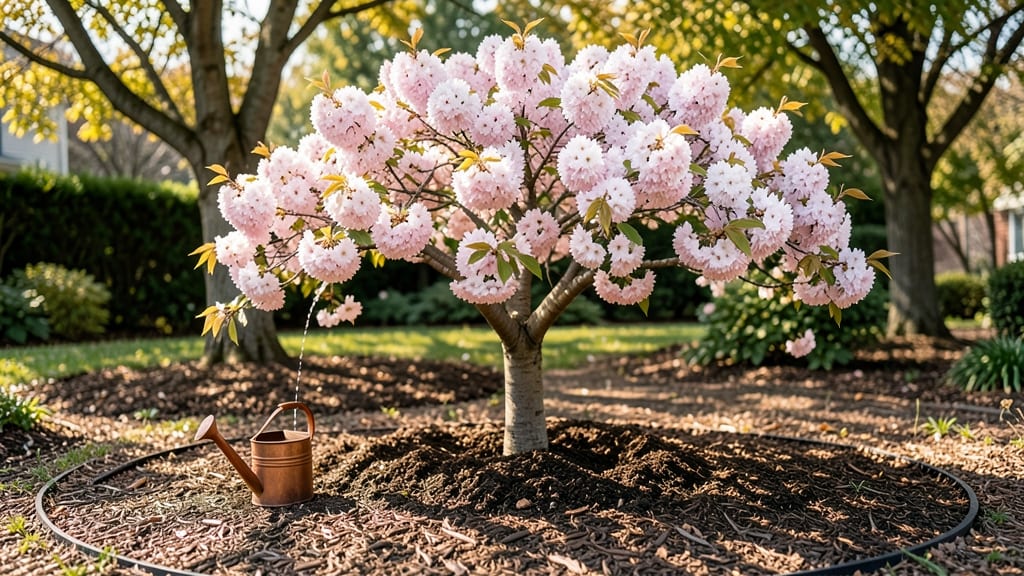
💥 Quick Answer To grow a sakura tree in your garden, select the right variety—dwarf types like Sakura ‘Little Princess’ grow 15–20 feet tall, while standard cherry blossoms ( Prunus serrulata ) reach 30–40 feet. Plant…
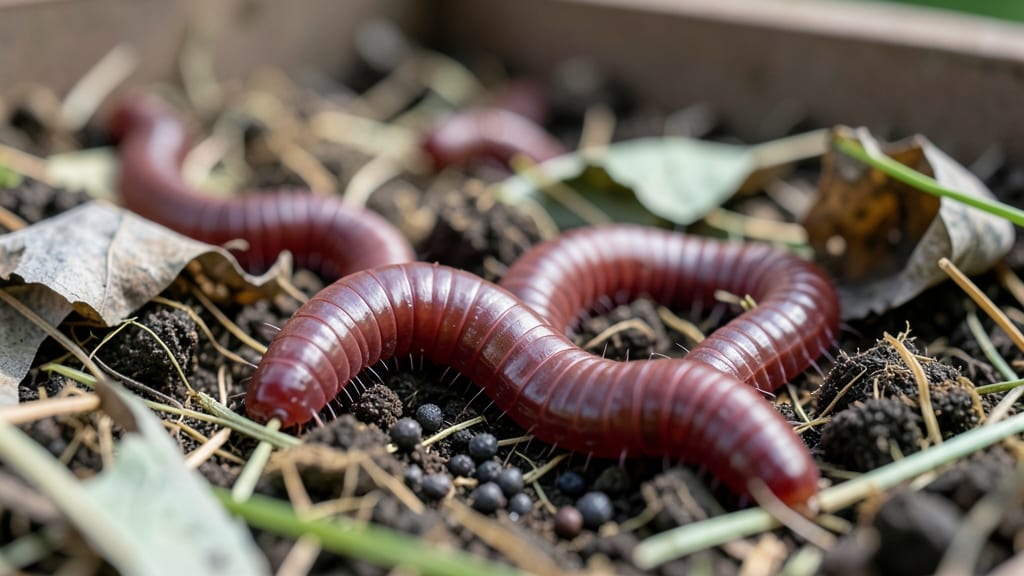
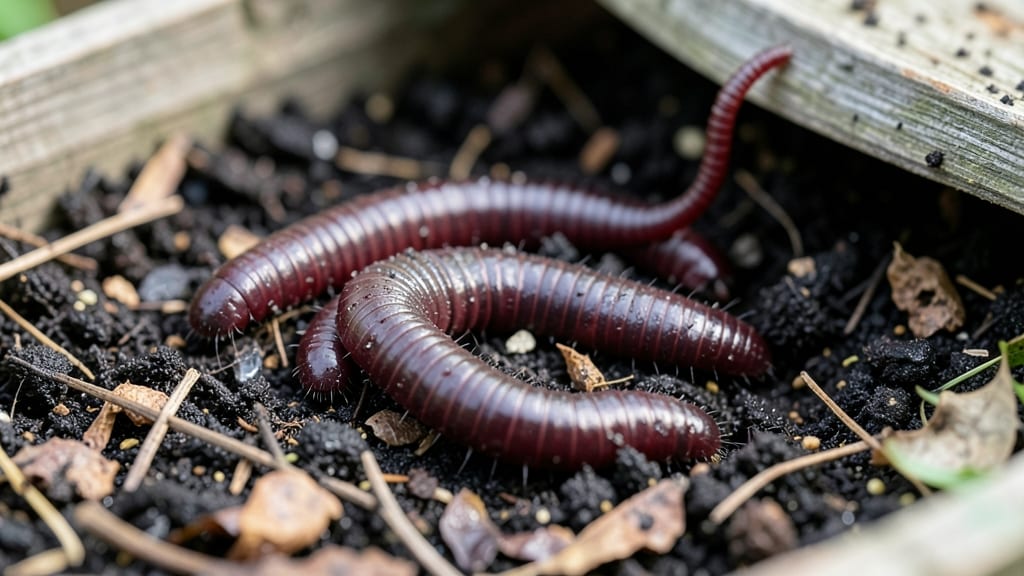
💥 Quick Answer Adding worms to your raised garden bed is beneficial for soil health, as they decompose organic matter, improve aeration, and create nutrient-rich castings—but you must choose the right species and…
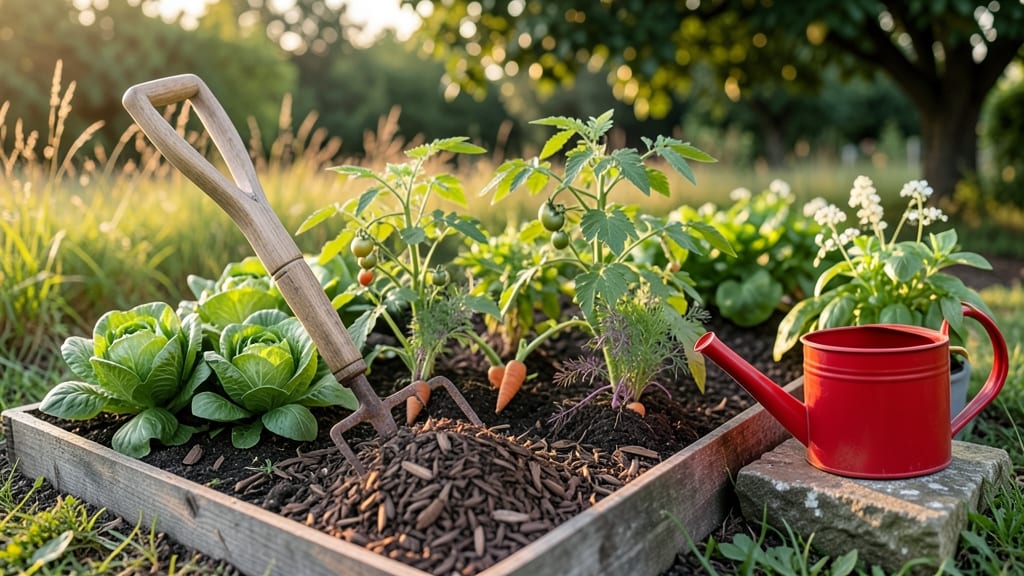
💥 Quick Answer You should put mulch in your vegetable garden to control weeds, conserve water, and maintain steady soil temperatures, but stick to organic options like straw or shredded leaves—never plastic or untreated…
💥 Quick Answer You should put worms in your garden to boost soil fertility naturally, as they decompose organic matter, create air pockets for better root growth, and produce nutrient-rich castings that enhance plant…
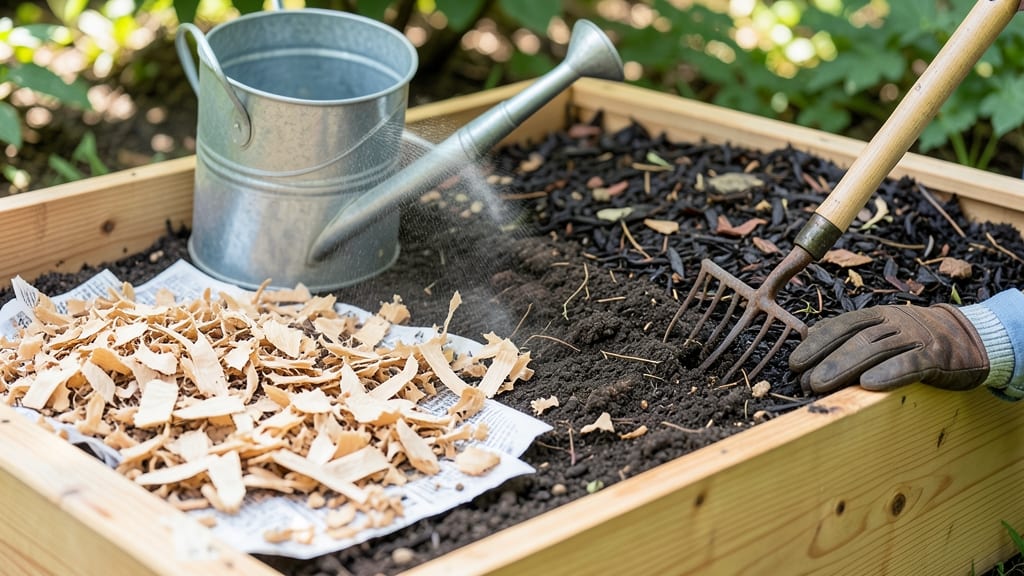
💥 Quick Answer Shredded newspaper in garden beds works as an effective mulch by blocking weeds, locking in moisture, and decomposing into nutrient-rich soil—provided it's uncoated and applied in thin layers to prevent…
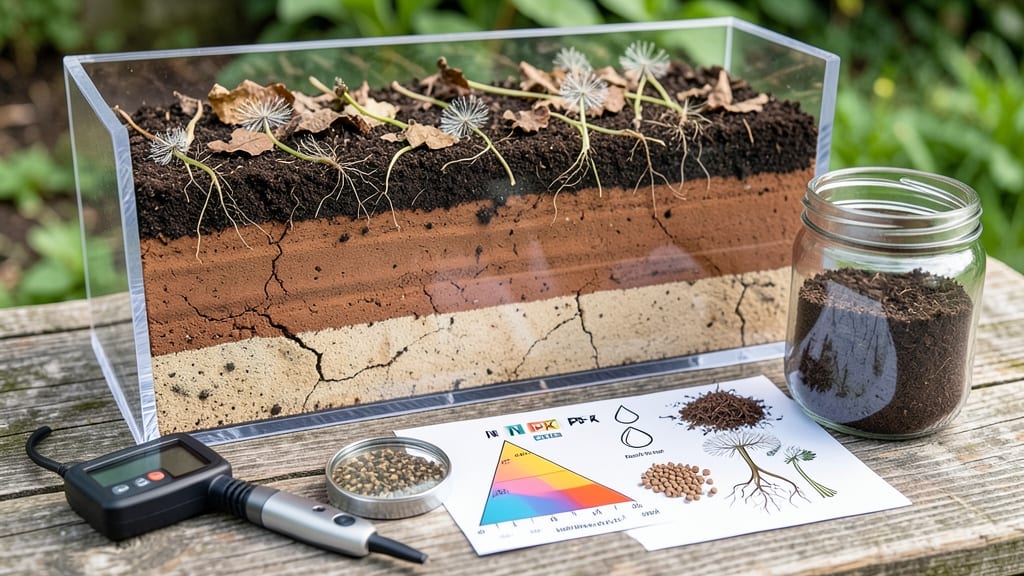
💥 Quick Answer Soil science for gardeners means mastering pH levels, organic matter, and nutrient balance to help plants thrive—start with simple tests like vinegar/baking soda or pH strips, then amend with lime (for…
💥 Quick Answer A Sunset Western Garden thrives in USDA Zones 1-9, with frost-free timelines ranging from late April to October depending on elevation and microclimates. Key plants like lavender, manzanita, and ceanothus…
💥 Quick Answer Using turmeric for gardening boosts plant health as a natural fungicide and growth stimulant by blocking harmful pathogens while enhancing root systems and nutrient absorption through its powerful…