
Pests
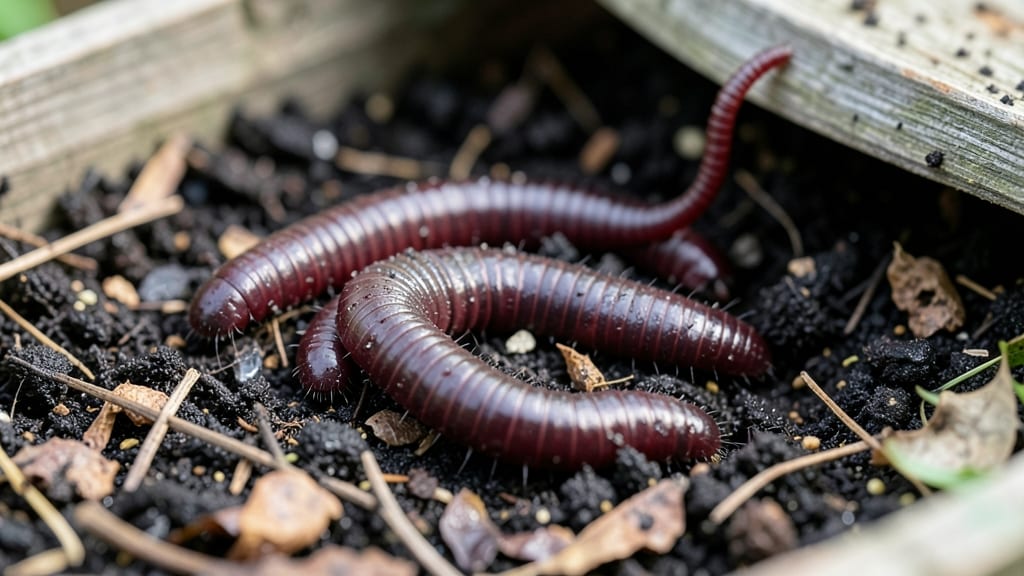
You should put worms in your garden to boost soil fertility naturally, as they decompose organic matter, create air pockets for better root growth, and produce nutrient-rich castings that enhance plant development. Use red wigglers in a damp, shaded bedding area.
Adding worms to your garden is one of the simplest ways to create nutrient-rich soil without chemicals. 🌱 These natural soil engineers break down yard waste and plant debris into compost-like castings that release essential nutrients gradually.
I've seen gardens with worms produce up to 50% more vegetables because the roots access more oxygen and moisture. The key is starting with the right species—red wigglers thrive in compost bins, while nightcrawlers prefer deeper soil for burrowing.
For best results, create a shaded worm bed with moist bedding materials like shredded newspaper or coconut coir. Avoid meat scraps or citrus, as worms are sensitive to strong odors and acidic foods.
Once established, they'll multiply quickly, turning your garden into a self-sustaining ecosystem. The process takes about 3-6 months to see noticeable improvements in soil texture and plant vigor.
💡 In This Article
- How Earthworms Transform Soil Structure and Nutrients
- Step-by-Step Guide to Adding Worms to Your Garden
How earthworms transform soil structure and nutrients
Earthworms act like tiny soil plows, creating tunnels that improve aeration and water drainage. Their burrowing activity increases soil porosity by up to 40%, allowing roots to access oxygen and expand more easily.
This tunneling also creates pathways for water to penetrate deeper, reducing runoff and helping plants withstand drought conditions. The physical movement alone can transform compacted clay soil into a looser, more workable medium within just a few months.
The real magic happens in their digestive systems. Worms consume organic matter—leaves, grass clippings, and even small twigs—and process it through their guts, breaking it down into nutrient-rich castings.
These castings contain higher levels of nitrogen, phosphorus, and potassium than the original material, plus beneficial microbes that help plants absorb nutrients more efficiently. Studies show worm castings can increase plant growth by 25-50% compared to untreated soil, thanks to this natural nutrient recycling.
Worm activity also boosts microbial diversity in the soil. Their castings provide a perfect environment for beneficial bacteria and fungi to thrive, creating a balanced ecosystem that suppresses harmful pathogens. The worms' mucus secretions further enhance this effect by binding soil particles together, forming stable aggregates that resist erosion.
This microbial boost explains why gardens with worms often show fewer signs of disease and require less synthetic fertilizer over time.
One often-overlooked benefit is how worms improve soil pH balance. As they process organic matter, they release calcium carbonate, which acts as a natural buffer against acidic soils. This is particularly valuable for vegetable gardens, where ideal pH levels (6.0-7.0) are crucial for nutrient uptake.
Unlike chemical amendments that alter pH abruptly, worms create gradual, sustainable changes that mimic natural forest ecosystems.
Consider this comparison: A square foot of soil with 100 worms can process up to 1 pound of organic matter per day during warm months. That's equivalent to composting a small garden's worth of waste without any human intervention.
The worms' activity creates a self-sustaining cycle where plant residues become food for worms, their castings nourish new plants, and the cycle continues indefinitely.
For best results, focus on maintaining moisture levels between 60-80% humidity in their habitat. Too dry, and they'll retreat deep into the soil; too wet, and they'll suffocate. The ideal temperature range is 55-77°F, which is why shaded areas work better than full sun exposure.
These conditions allow worms to remain active year-round in most climates, continuously improving your soil's structure and fertility.