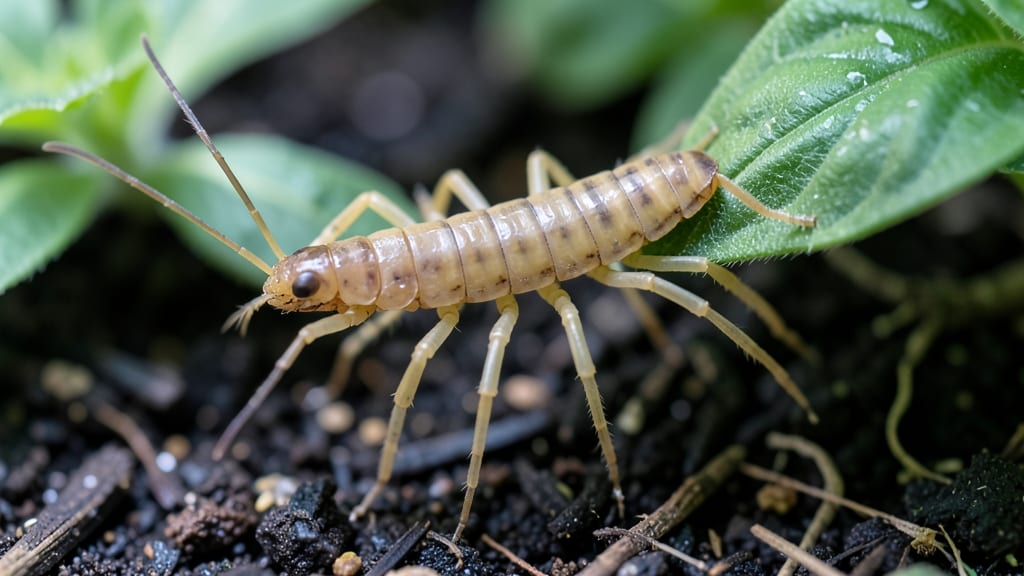
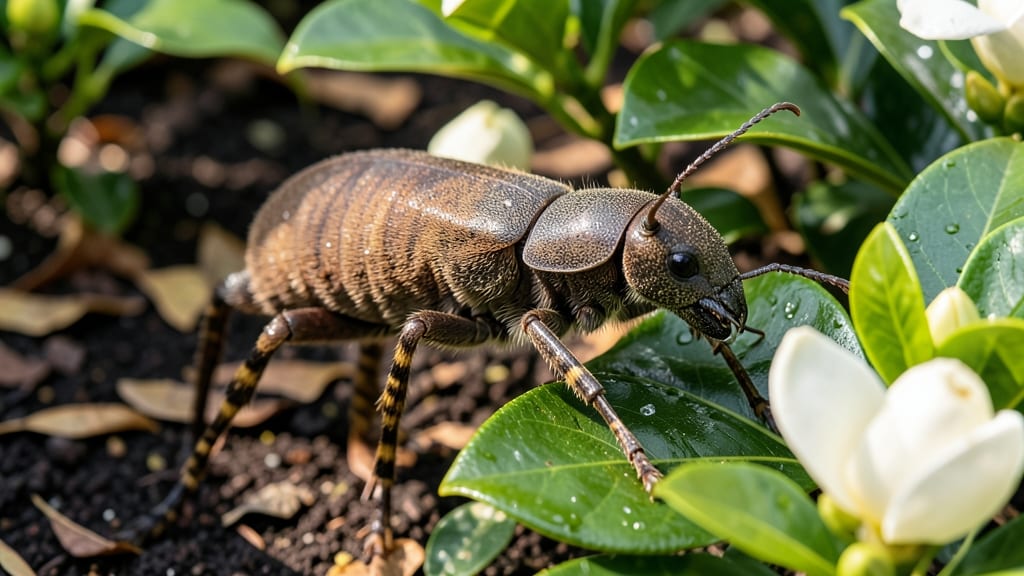
💥 Quick Answer Centipedes aren't bad for gardens—they actively hunt pests like slugs, caterpillars, and spiders, providing natural pest control without needing chemicals. Their presence actually supports a healthier…
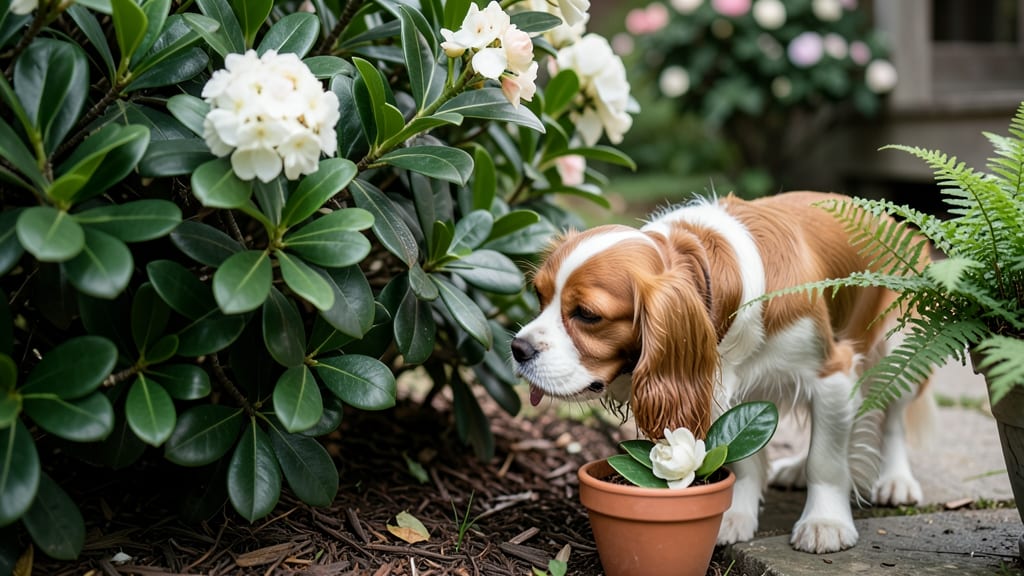
💥 Quick Answer Gardenias are poisonous to dogs because their leaves, flowers, and stems contain toxic compounds like saponins and glycosides, which can trigger vomiting, lethargy, or diarrhea if chewed or ingested…
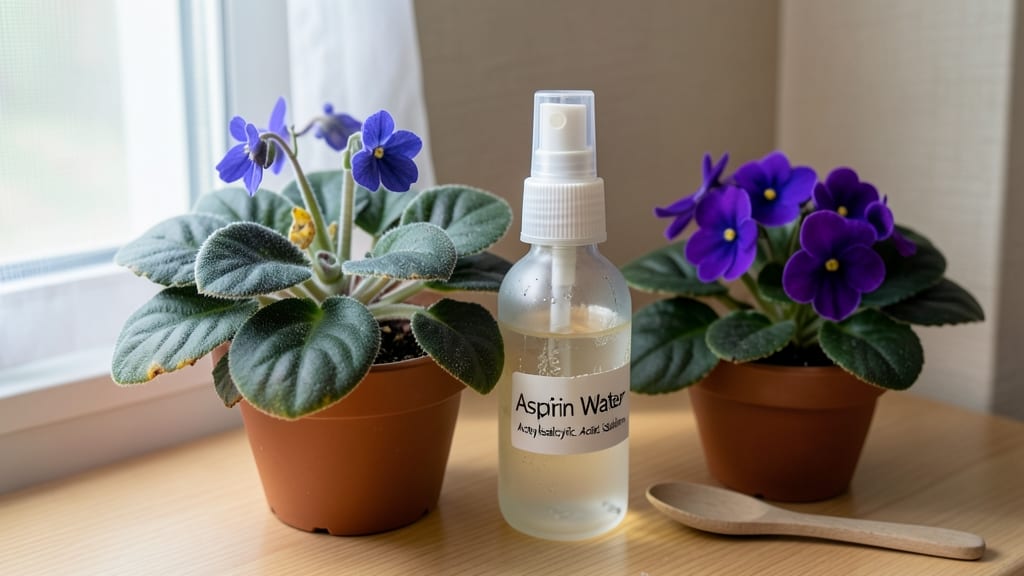
💥 Quick Answer Using aspirin for garden boosts plant health by dissolving tablets in water for foliar sprays or soil treatments, helping prevent fungal diseases and strengthening weak seedlings. Always use crushed…
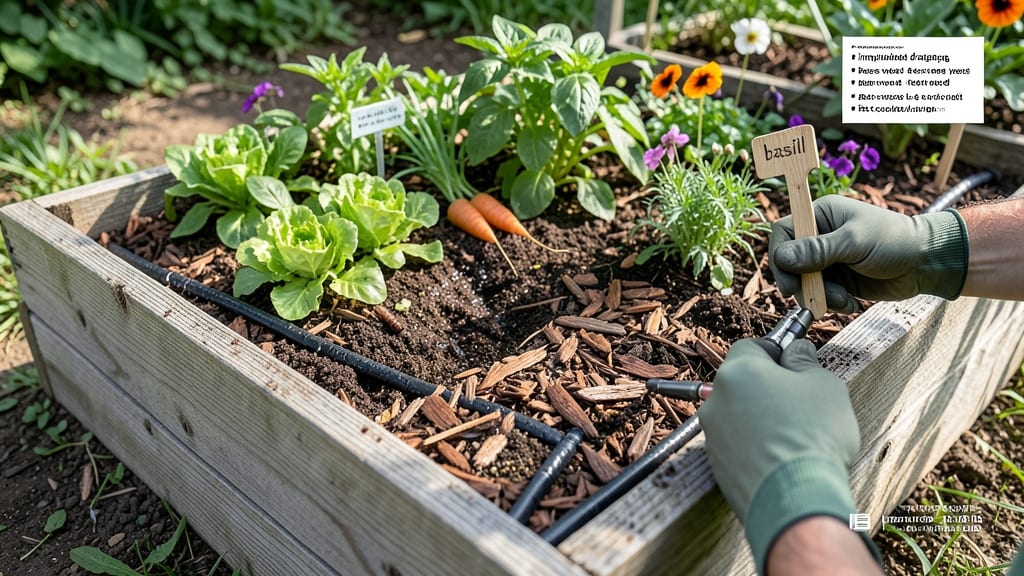
💥 Quick Answer The benefits of raised garden beds include healthier soil, stronger plant growth, and easier maintenance by preventing soil compaction, improving drainage, and letting you customize soil mixes for optimal…
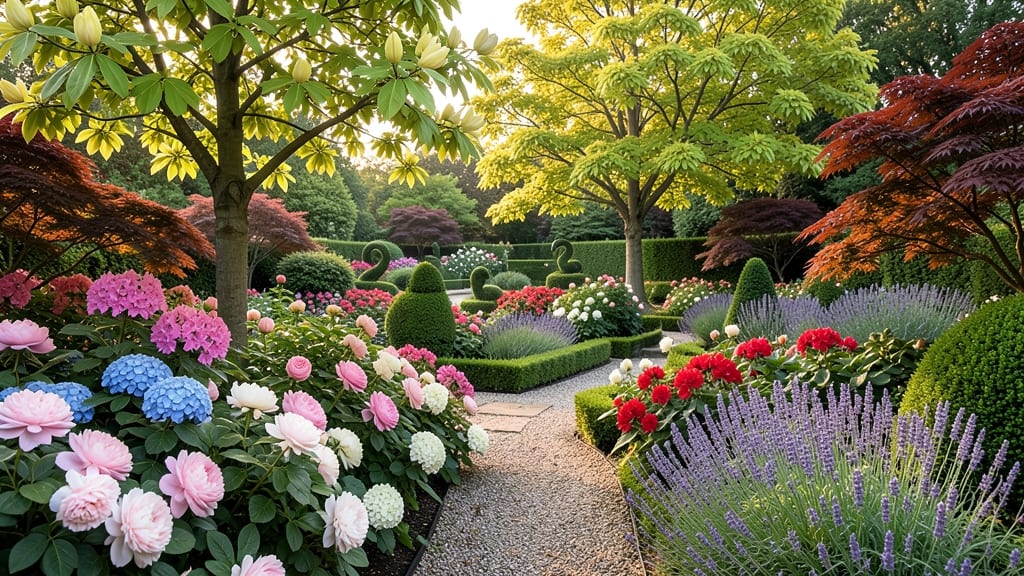
💥 Quick Answer Butchart Gardens in Victoria, British Columbia, Canada, transforms into a breathtaking floral wonderland across all seasons, from its legendary Night Garden to spring tulip fields and autumn’s fiery…
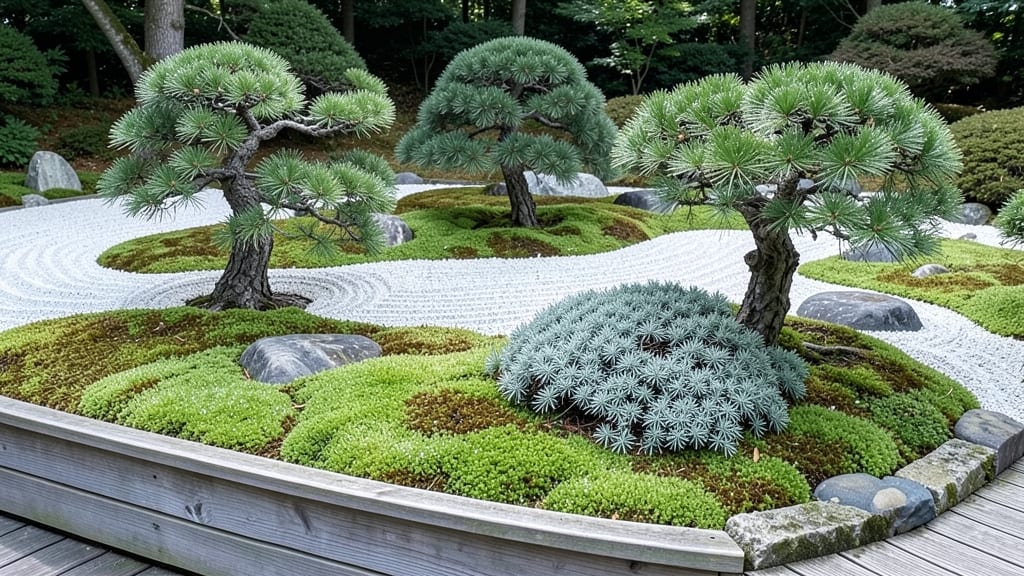
💥 Quick Answer Creating a zen garden means designing a minimalist outdoor space with raked gravel patterns, smooth stones, and pruned plants to create peace and connection with nature. Prioritize clean lines, natural…
💥 Quick Answer Deer frequently eat gardenia plants, especially their tender leaves and delicate blooms, when other food sources become limited. Their browsing can severely damage shrubs by stripping branches and leaves…
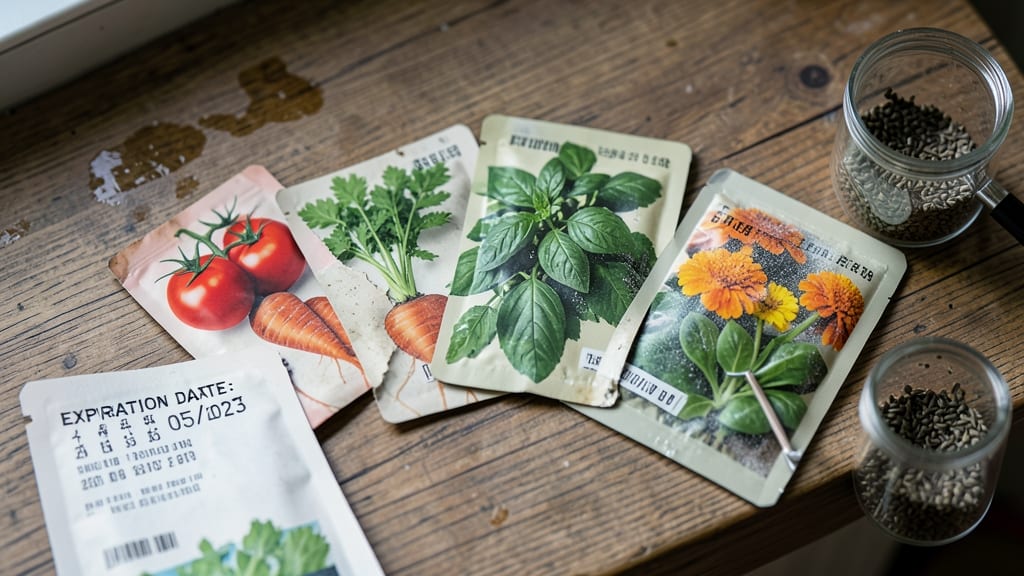
💥 Quick Answer Garden seeds do expire, with their usable lifespan ranging from 6 months to 5 years depending on storage conditions and seed type. While some varieties like beans or peas maintain viability for 2-3 years…
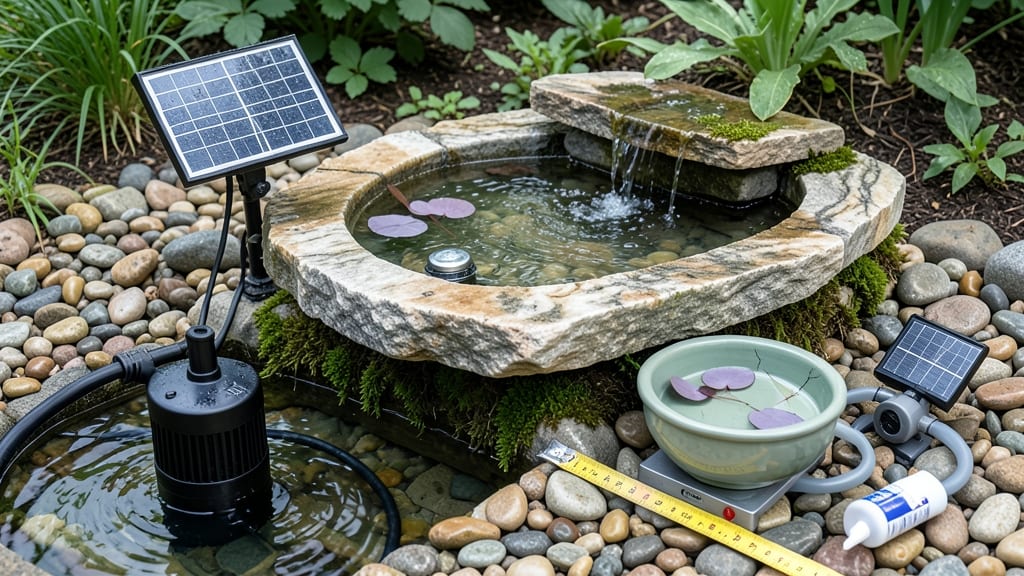
💥 Quick Answer A DIY garden fountain transforms your outdoor space by combining a water basin, pump, tubing, and liner to create soothing water movement. Beginners should start with a simple tiered design to minimize…