
Pests
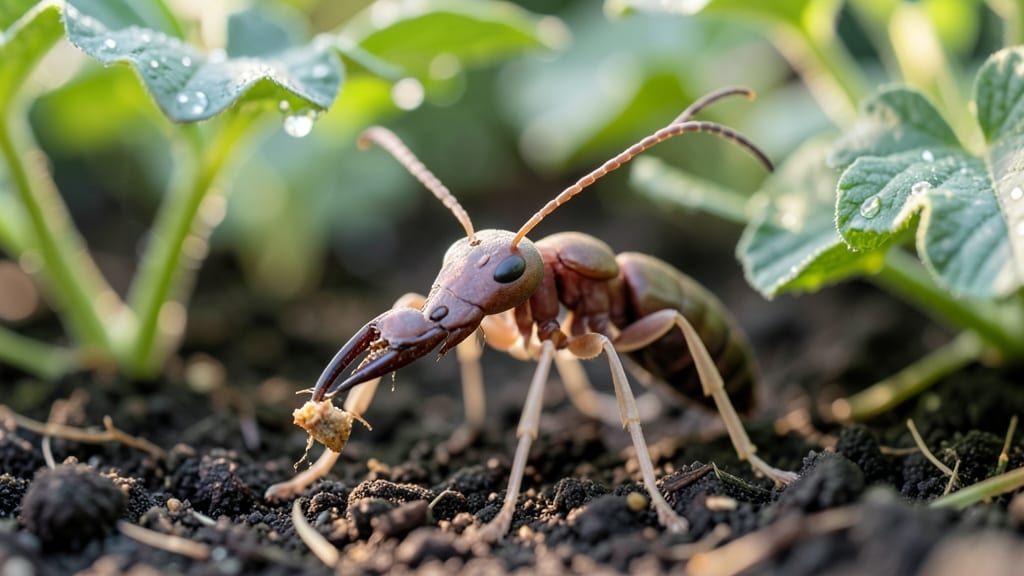
What does the ant do in growing a garden? These tiny workers play crucial roles by aerating soil through their tunnel systems, decomposing organic matter into nutrient-rich compost, and spreading seeds across the landscape.
These tiny workers are essentially nature's gardeners, turning your soil into a more hospitable environment for plants. 🌱 Their tunneling activity increases oxygen flow to roots, which helps prevent compaction—a common problem in heavily farmed or walked-on garden beds.
Plus, by carrying away decaying leaves and plant debris, they accelerate nutrient recycling, giving your plants a steady supply of food without needing synthetic fertilizers. What's fascinating is how their seed dispersal habits can actually introduce new plant varieties to your garden, creating a more diverse ecosystem over time.
Beyond soil improvement, ants contribute to biological pest control by preying on insects that damage plants. For example, a single colony can consume thousands of aphids in a season—those same pests that would otherwise suck the life out of your vegetables.
This natural regulation reduces the need for chemical interventions, making ants an invaluable ally for organic gardeners. The key is balancing their benefits with their occasional nuisance (like stealing seeds or building mounds), which we'll explore in the practical tips section.
💡 In This Article
- How Ants Improve Soil Health and Plant Growth
- Encouraging Ant Activity for a Thriving Garden
How ants improve soil health and plant growth
Ants act as nature's soil engineers by creating intricate tunnel systems that can extend 10-20 feet underground in mature colonies. These tunnels serve two critical functions: they aerate compacted soil by allowing oxygen to penetrate deeper, and they create channels for water drainage.
Studies show that ant tunnels can increase soil porosity by up to 30%, which is particularly beneficial after heavy rains or in clay-heavy soils where waterlogging suffocates plant roots. The texture of their tunnels—ranging from 1-3 millimeters in diameter—creates micro-environments that promote root growth by reducing soil density.
Their role in decomposition is equally impressive. Worker ants carry organic debris like fallen leaves, dead insects, and plant fragments back to their nests where they break it down into a nutrient-rich paste through a combination of mechanical grinding and microbial action.
This process accelerates the natural composting cycle, providing plants with readily available nitrogen, phosphorus, and potassium. For example, a single colony can process up to 10 pounds of organic matter annually—equivalent to what a small compost pile would produce in the same time.
The resulting "ant compost" has been measured to contain 2-3 times more nitrogen than surrounding soil.
Seed dispersal happens through a fascinating process called myrmecochory, where ants carry seeds away from parent plants to their nests. The seeds often have specialized structures called elaiosomes that ants find irresistible.
When the ants consume the elaiosome, they discard the seed in their waste piles or abandoned tunnels—essentially planting it in nutrient-rich soil. This method can increase seed germination rates by up to 60% compared to seeds left on the soil surface.
Some gardeners have observed that ant-dispersed seeds from wildflowers and vegetables establish faster because they're deposited in well-aerated, nutrient-dense microhabitats.
Ants also function as biological pest controllers by preying on garden pests like aphids, caterpillar eggs, and termites. A colony of 10,000 worker ants can consume 10,000 aphids per day—a level of pest control that rivals many chemical treatments.
Their hunting strategies are particularly effective against soft-bodied insects that can't escape their mandibles. What's remarkable is how they target pests without harming beneficial insects like bees or ladybugs, creating a balanced ecosystem. This natural regulation reduces the need for chemical pesticides by 30-50% in many garden settings.
Their activities also influence microbial communities in the soil. Ant tunnels create ideal conditions for beneficial bacteria and fungi by maintaining consistent moisture levels and providing shelter from extreme temperatures. Research shows that ant-active soils contain 20-30% more beneficial microorganisms than ant-free soils, which enhances nutrient cycling and disease suppression.
The physical disturbance from tunneling actually stimulates fungal growth, particularly mycorrhizal fungi that form symbiotic relationships with plant roots, further boosting nutrient uptake.
However, not all ant species provide equal benefits. Carpenter ants, for instance, primarily tunnel through wood and don't contribute significantly to soil improvement. The most beneficial garden ants are typically pavement ants, fire ants, or harvester ants, which all engage in soil aeration and organic matter processing.
Understanding which species are present in your garden helps you leverage their strengths while managing any potential drawbacks, like mound-building that might disrupt planting areas.