
Tools
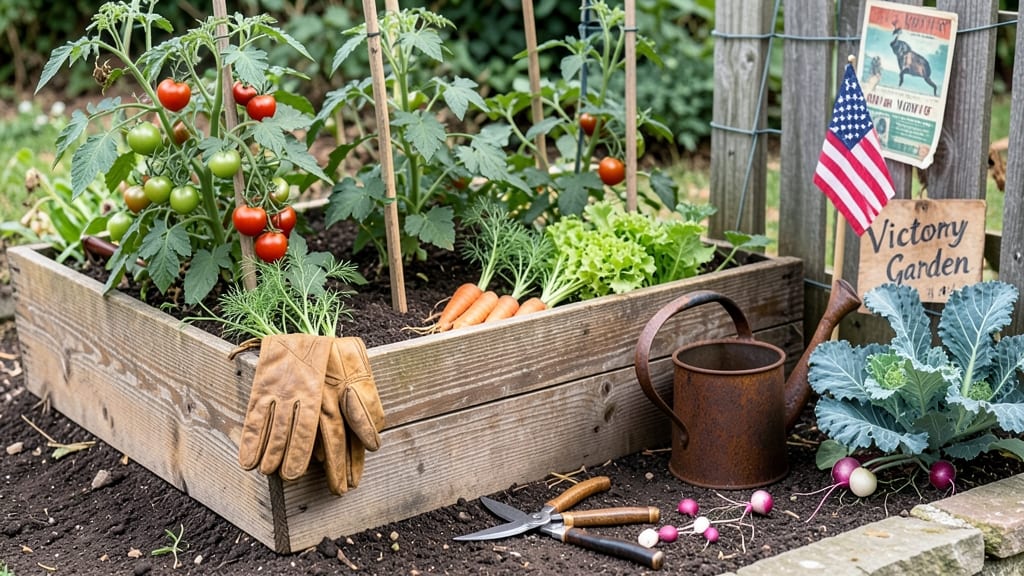
A victory garden is a homegrown vegetable plot created during wartime shortages to supplement food supplies, originally popularized in World War II to support rationing efforts and boost community morale through self-sufficiency. Today, these gardens emphasize sustainability and local food security.
A victory garden isn't just about growing food—it's a movement that connects history, resilience, and modern sustainability. 🌱 During WWII, over 20 million American families planted these gardens, reducing pressure on commercial food supplies by nearly 40%.
The concept has evolved today, with urban gardeners using balconies and rooftops to grow heirloom tomatoes and leafy greens, while community plots foster neighborhood bonds. What's fascinating is how these gardens adapt to current challenges, like climate change or supply chain disruptions, proving their relevance beyond wartime emergencies.
The beauty of modern victory gardens lies in their flexibility. You don't need acres of land—even a windowsill herb garden counts! 🌿 Focus on high-yield crops like bush beans or zucchini for maximum impact, and pair them with companion plants (like basil with tomatoes) to naturally deter pests.
For beginners, starting small with a few easy-to-grow vegetables builds confidence and sets the stage for expanding next season. The tools you'll need are basic: gloves, a trowel, and maybe a compost bin to turn kitchen scraps into nutrient-rich soil.
💡 In This Article
- Origins and Historical Impact of Victory Gardens
- Starting a Modern Victory Garden Today
Origins and historical impact of victory gardens
The concept of victory gardens emerged during World War I but gained legendary status in World War II, when the U.S. government launched the "Food Will Win the War" campaign. 🌱 By 1943, over 20 million American families had planted these gardens, covering 9 million acres—roughly the size of Maine.
This effort produced 40% of the nation's fresh vegetables, easing rationing pressures and boosting morale through tangible contributions to the war effort.
What made these gardens so effective was their strategic focus on high-yield, nutrient-dense crops like potatoes, carrots, and cabbage—vegetables that could be stored long-term and preserved through canning.
The U.S. Department of Agriculture even distributed free seeds and gardening guides, while schoolchildren participated in "Victory Garden Clubs" to learn horticulture. 📚 This grassroots movement wasn't just practical; it fostered a sense of shared purpose, with neighbors trading produce and sharing tips in a time of scarcity.
The impact extended beyond food security. Victory gardens influenced agricultural policy by proving that small-scale farming could significantly supplement commercial production.
After the war, many families continued gardening, laying the foundation for today's suburban vegetable plots. 🌍 Internationally, similar programs emerged in Britain (where "Dig for Victory" campaigns produced 1.4 million tons of food annually) and Germany, demonstrating how community-driven horticulture could address systemic challenges.
One often overlooked aspect is how victory gardens reshaped urban landscapes.
Cities like New York and Chicago transformed vacant lots into productive green spaces, creating temporary oases that improved air quality and mental health during wartime stress. 🌿 The psychological benefit of tending to living plants—seeing seeds grow into food—became a vital form of resilience, proving that gardening wasn't just about sustenance but also emotional well-being.
Modern historians credit victory gardens with inspiring today's sustainability movements.
The principles of local food production, waste reduction (through composting and preserving), and community collaboration all trace back to these wartime plots. 🌱 What's remarkable is how a temporary solution to a crisis became a lasting cultural legacy, proving that even small-scale gardening can have outsized impacts on both society and the environment.
The most enduring lesson from victory gardens is their adaptability. Whether addressing wartime shortages or modern challenges like climate change, the core idea remains: empowering individuals to grow their own food fosters independence and strengthens communities. This historical context makes modern victory gardens not just practical but deeply meaningful.