
Tools
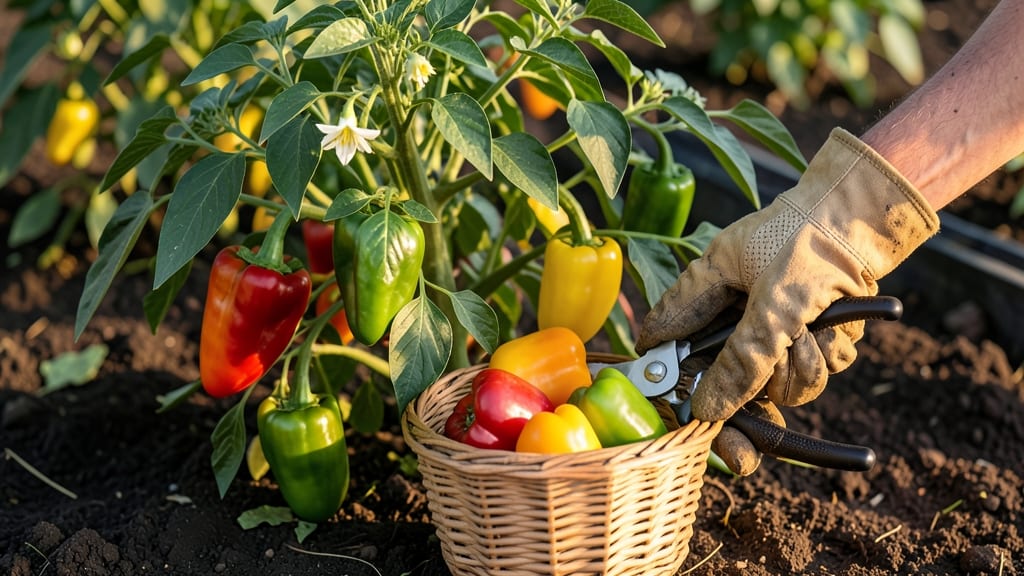
When you harvest peppers from your garden, you can use them fresh in salads or roasted dishes, or preserve them through freezing, pickling, or drying. Freezing works best for raw peppers, while drying intensifies their natural sweetness for soups and seasonings.
Fresh garden peppers are incredibly versatile, and the best approach depends on your goals. 🌶️ For quick use, slicing them into salads or stir-fries preserves their crisp texture and vibrant flavors.
If you're planning ahead, freezing is the simplest preservation method—just wash, dry, and store whole or chopped in airtight bags for up to a year. Drying, on the other hand, transforms peppers into flavor bombs, perfect for adding depth to sauces or sprinkling over pasta.
I always recommend trying all three methods to see which works best for your favorite pepper varieties.
Beyond preservation, garden peppers shine in recipes like stuffed bell peppers, spicy salsas, or roasted pepper spreads. The key is to prep them right—blanching before freezing locks in color, while slicing thinly speeds up drying time.
For pickling, use vinegar and spices to create tangy, long-lasting additions to sandwiches or charcuterie boards. The beauty of homegrown peppers is their flexibility—whether you're making a quick weeknight dinner or stocking your pantry for winter, they deliver big flavor with minimal effort.
💡 In This Article
- Preserving Garden Peppers: Freezing vs Drying vs Pickling
- Top 10 Easy Recipes Using Fresh Garden Peppers
Preserving garden peppers: freezing vs drying vs pickling
Freezing peppers works by halting enzymatic activity that causes spoilage. When you blanch peppers in boiling water for 2-3 minutes before freezing, you deactivate enzymes like polyphenol oxidase, which turns peppers brown and mushy.
For raw peppers, simply wash, dry thoroughly, and store whole or chopped in airtight freezer bags—they'll keep their texture and flavor for 8-12 months. The key is removing excess moisture first, as ice crystals can make frozen peppers soggy when thawed. 🔥
Drying peppers removes 90% of their moisture, concentrating flavors and creating shelf-stable ingredients. Hot peppers like jalapeños or habaneros dry faster (about 4-6 hours at 140°F) than bell peppers (which may take 8-12 hours), thanks to their thinner walls.
The Maillard reaction during drying deepens their sweetness and creates complex caramelized notes—this is why dried peppers taste so different from fresh. Once fully dehydrated, store them in glass jars with oxygen absorbers for up to 2 years.
Pickling uses acidity (vinegar or lactic acid fermentation) to create an environment where harmful bacteria can't survive. The ideal ratio is 1 part vinegar to 3 parts water, with enough acidity to maintain a pH below 4.6.
For quick-pickled peppers, slice them thin and submerge in a 50/50 vinegar-brine solution with garlic and spices—ready in 24 hours. Fermented pickles take 2-4 weeks but develop richer probiotic benefits. The acid also softens pepper walls, making them easier to digest while preserving their heat or sweetness.
Each method excels with different pepper types: bell peppers freeze best for salads, jalapeños dry beautifully for spice blends, and habaneros pickle perfectly for heat lovers. The science behind preservation isn't just about stopping spoilage—it's about transforming peppers into concentrated flavor powerhouses.
For example, a single dried habanero can add 10x the heat of a fresh one per gram, while pickled jalapeños retain their vibrant green color and crunch. 💫
Here's a quick comparison of when to use each method:
- Freezing: Best for raw peppers you'll use within a year (salads, stir-fries)
- Drying: Ideal for heat-loving peppers (chiles, habaneros) or sweet peppers (soups, stews)
- Pickling: Perfect for preserving color and crunch (sandwiches, charcuterie)
Pro tip: Test your preservation methods with small batches first. Some pepper varieties (like banana peppers) dry better than others, and freezing can make thick-skinned peppers like bell peppers slightly rubbery if not blanched properly. The right technique turns your garden harvest into a year-round flavor resource! ✨