
Planting
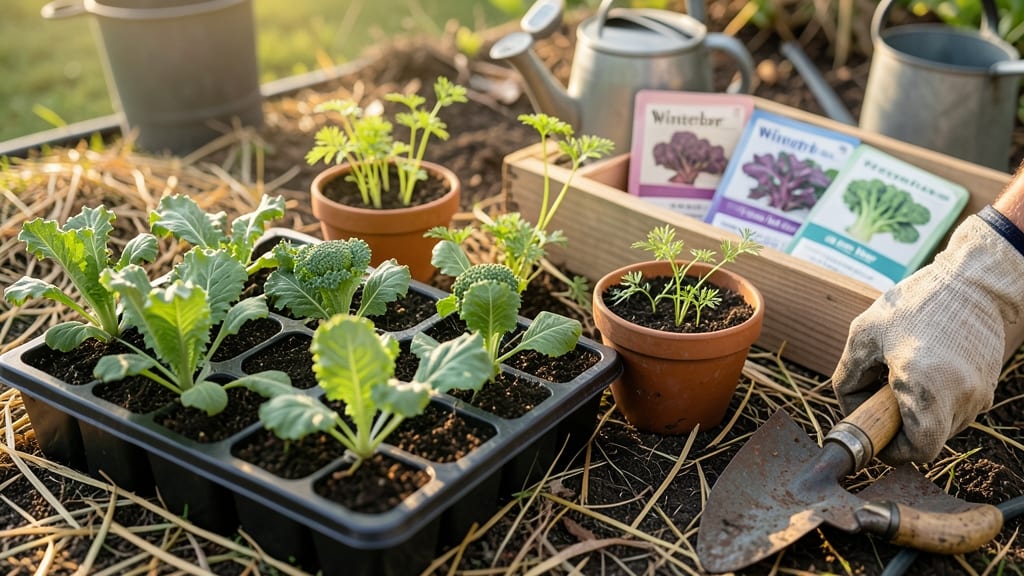
Planting a fall garden in Texas means timing your crops to escape the summer heat and beat the first frost—aim for mid-August to early October depending on your heat zone.
Texas gardeners know timing is everything—plant too early, and your fall crops will wilt under summer heat; too late, and frost ruins your harvest. But mastering the perfect planting window can mean a thriving garden packed with fresh greens, root vegetables, and cool-season favorites.
Why does this matter? A well-timed fall garden extends your harvest season, saves money on grocery bills, and lets you enjoy homegrown produce when summer crops fade. The key is understanding your local heat zone and soil conditions to avoid common pitfalls like stunted growth or early bolting.
In this guide, I’ll break down the best planting dates by Texas region, soil readiness cues, and top crops that thrive in our unique climate. Whether you’re a beginner or a seasoned gardener, these Texas-specific tips will help you plan a fall garden that delivers a bountiful harvest.
Texas heat-zone planting calendar: exact weeks to start fall vegetables
Timing your fall garden in Texas isn't about guessing—it's about understanding your heat zone (A-D) and the 100-degree day rule. Texas spans from Zone 6B in the Panhandle to Zone 10B in South Texas, meaning your planting window varies dramatically.
In Zone 6B, you can start cool-season crops as early as late July, while Zone 10B gardeners must wait until mid-September to avoid heat stress.
For most Texans, the ideal window is between 8-12 weeks before first frost. This means calculating backward from your average first frost date—typically November 15th in North Texas and December 20th in South Texas. Miss this window, and you risk bolting broccoli or frost-damaged greens.
Key crops like kale, carrots, and spinach thrive when soil temps drop below 85°F. But planting too soon can trigger heat stress, causing seedlings to yellow and wilt. The solution? Use shade cloth or row covers for early plantings in hotter zones.
In Zone 6B, I start broccoli seeds indoors in early July to give seedlings a head start. By late July, soil temps drop enough to transplant hardy greens like kale and spinach.
The key is monitoring soil temperature—it should be below 85°F for 7 consecutive days before planting.
For Zone 8A and 9A, I rely on the 100-degree day rule. Count 100 days backward from your average first frost date to determine your last planting date.
For example, if frost hits November 15th, your last planting should be August 5th. This ensures crops mature before cold snaps.
Pro tip: Succession planting extends your harvest. In Zone 7A, I plant radishes every 2 weeks from early August to mid-September. Fast growers like radishes give me 3
Signs your Texas soil and weather are ready for fall planting
Fall planting in Texas is all about reading your environment—your soil and weather are sending clear signals when it's time to start.
The 100-degree day rule is my go-to method: count back 100 days from your average first frost date (typically mid-November in most of Texas) to determine your planting window. This ensures your crops mature before winter chill sets in.
But don't rely solely on dates—your soil temperature is the ultimate indicator. Cool-season crops like broccoli and lettuce thrive when soil temps drop below 85°F. Use a soil thermometer to check—if it's consistently below this threshold for at least a week, your garden is ready.
Morning temps in the 70s°F are ideal for seed germination.
Humidity also plays a critical role. Texas summers leave soil dry and crusty, but fall brings increased moisture. Watch for dew formation in the mornings—a sure sign humidity levels are rising. This moisture helps seeds stay hydrated and prevents transplant shock when you move seedlings from trays to the ground.
Another key sign is the lengthening nights. As daylight hours shorten, your plants naturally shift into growth mode. If your sunset occurs before 7:30 PM, it's time to start planting. This change triggers bolting-resistant varieties like spinach and kale to focus on leaf production rather than flowering.
⚠️ Don't Plant Too Early!
Texas summers can linger into September—planting before mid-August risks heat stress on young seedlings. Even heat-tolerant crops like black-eyed peas struggle when soil temps exceed 90°F for extended periods. Wait until average daily highs drop below 90°F to avoid stunted growth.
Pay attention to pest activity too. As summer pests like squash bugs decline, beneficial insects like ladybugs and lacewings become more active—another green light for planting. These predators help control fall pests like aphids, giving your new plants a fighting chance.
Finally, test your soil moisture retention. After a Texas summer, soil often becomes compacted. Dig a small hole—if the walls stay intact for 10 minutes, your soil holds moisture well. If it crumbles, amend with compost or coconut coir to improve water retention before planting.
When you see these signs working together—cool soil, rising humidity, shorter days, and improved moisture—your Texas garden is primed for a successful fall harvest. Start with fast-maturing crops like radishes and bush beans to test your timing before committing to longer-season varieties.