
Planting
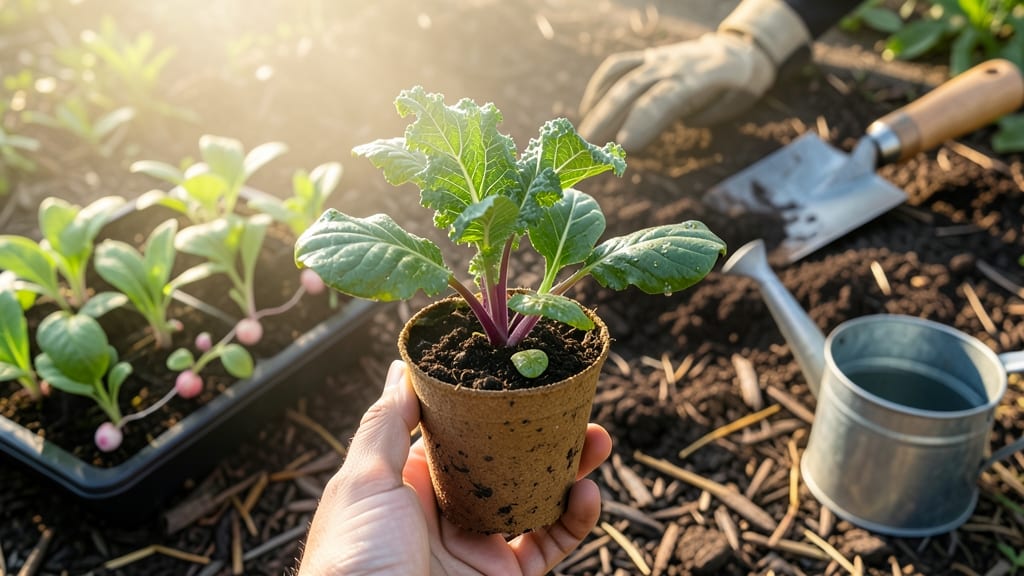
Planting a fall garden in South Texas 🥬 means catching the window between summer’s lingering heat and the rare late-November frost—usually between mid-August and early October.
South Texas gardeners know the difference between a thriving fall harvest and a failed attempt often comes down to planting at the perfect time—before summer’s last heatwave or after the first frost. But with the region’s unique Heat Zones (8b-9a), timing your fall garden can feel like solving a puzzle.
Too early, and your seedlings bolt in the heat; too late, and frost sneaks in before your greens mature. The key? Start with soil temperatures below 85°F and choose heat-tolerant varieties like kale, carrots, and spinach that thrive in the cooler months.
Below, I break down the exact planting dates by Heat Zone, plus the 5 critical factors that determine success—so you can avoid common mistakes and enjoy a bountiful harvest from October through December.
South Texas fall planting dates by heat Zone (8b vs 9a): your exact calendar
Timing your fall garden in South Texas depends on whether you're in Heat Zone 8b (cooler) or 9a (warmer). Zone 8b has a slightly earlier frost risk, while Zone 9a can extend your growing season by weeks.
Missing these windows means struggling with heat stress or frost damage—neither of which you want for your tomatoes or kale.
The key is planting 6-8 weeks before your average first frost (typically mid-December in Zone 8b, late December in Zone 9a). For direct-sown crops like carrots or radishes, start earlier, while transplants (like broccoli or cabbage) need a later start for established roots.
Let’s break it down by zone and crop type so you can plan with confidence.
| Crop Type | Zone 8b Planting Window | Zone 9a Planting Window | Notes |
|---|---|---|---|
| Leafy Greens (Lettuce, Spinach, Kale) | Direct Sow: Aug 15–Sep 15 Transplant: Sep 1–Oct 15 |
Direct Sow: Aug 1–Sep 30 Transplant: Aug 15–Nov 1 |
Avoid bolting with shade cloth in late summer. |
| Root Vegetables (Carrots, Beets, Radishes) | Direct Sow: Aug 1–Sep 30 | Direct Sow: Jul 15–Oct 15 | Soil must be below 85°F for even germination. |
| Tomatoes & Peppers (Heat-Sensitive Varieties) | Transplant: Aug 1–Sep 15 Last Safe Date: Sep 30 |
Transplant: Jul 15–Oct 1 Last Safe Date: Oct 15 |
Use shade cloth for late plantings to prevent sunscald. |
| Broccoli & Cabbage (Cool-Season Staples) | Transplant: Aug 15–Sep 30 | Transplant: Jul 30–Oct 15 | Head size improves with cooler nights (below 75°F). |
| Squash & Zucchini (Warm-Season Holdovers) | Direct Sow: Jul 1–Aug 15 Last Safe Date: Aug 31 |
Direct Sow: Jun 15–Sep 15 Last Safe Date: Sep 30 |
Choose compact varieties for smaller spaces. |
| Herbs (Basil, Cilantro, Dill) | Direct Sow: Aug 15–Sep 30 Transplant: Sep 1–Oct 15 |
Direct Sow: Aug 1–Nov 1 Transplant: Aug 15–Nov 15 |
Basil bolts quickly—harvest leaves early. |
For Zone 8b gardeners, the August 15–September 15 window is your sweet spot for most direct-sown crops. If you miss it, opt for transplants or container gardening to extend your season.
In Zone 9a, you’ve got flexibility until October 1 for many crops, but don’t push it—cool-season plants like broccoli still need time to mature before frost.
Pro tip: Use row covers or cold frames to protect tender crops if you’re planting near the last safe dates. I’ve salvaged several tomato plants in Zone 8b by covering them with frost cloth after a 40°F dip in November. It’s not ideal, but it works!
If you’re growing heat-loving crops like okra or sweet potatoes, start them in late June or early July—they’ll outlast the summer heat and produce into early fall. These are the exception, though; most fall crops need cooler temps to thrive.
Don’t forget to test your soil temperature before planting. A soil thermometer is your best friend here—ideal temps for fall crops are between 60–75°F. If it’s hotter than that, wait a week or two. Patience now means bigger harvests later.
For container gardeners, adjust your timeline by 1–2 weeks earlier since pots heat up faster. I’ve had great success with bush beans and lettuce in containers by starting them in early August (Zone 8b) or late July (
5 Critical factors that determine your fall planting success (beyond just dates)
Planting your fall garden in South Texas isn’t just about checking a calendar—it’s about understanding hidden factors that can make or break your harvest. While Heat Zones 8b-9a give us a starting point, soil temperature, day length, and even urban heat islands play starring roles.
Let’s break down what truly matters beyond the dates.
First, soil temperature is your silent gardening partner. Most cool-season crops like kale and carrots need soil temps below 85°F to germinate properly. In South Texas, that means waiting until late August for direct sowing—even if the air feels cooler.
Use a soil thermometer to avoid false starts with slow germination.
-
1Soil Temperature: Wait until soil drops below 85°F (use a thermometer!). Root crops like carrots and beets need cooler temps to develop properly.
-
2Day Length: Days shorten after September 21st. Leafy greens thrive with 12+ hours of daylight, but broccoli needs longer to bolt—plant it by mid-October.
-
3Pest Activity: Cabbage worms and aphids peak in fall. Use row covers or neem oil before pests explode in October.
-
4Microclimates: Urban areas stay 5-10°F warmer than rural zones. If you’re in San Antonio, plant 2 weeks later than rural areas near the coast.
-
5Container Limits: Pots dry out 3x faster in fall. Use self-watering containers or mulch heavily to retain moisture for herbs and lettuce.
Next, day length dictates which crops you can grow successfully. After the autumn equinox (September 21st), days shorten rapidly. Leafy greens like spinach and arugula love the shorter days, but broccoli and cauliflower need longer daylight to mature. Plant these by mid-October to avoid bolting before harvest.
Don’t overlook pest activity, which spikes in fall. Cabbage worms and aphids become aggressive as temperatures drop. Start with row covers or neem oil sprays in early October to protect your brassicas and greens. Pro tip: Interplant flowers like nasturtiums to deter pests naturally.
South Texas’s microclimates create another layer of complexity. Urban areas like Houston or San Antonio can stay 5-10°F warmer than rural zones near the coast. If you’re in a city, delay planting by 2 weeks compared to countryside gardeners.
Rural areas near the Gulf may even see earlier frosts, so monitor local forecasts closely.
Finally, container gardening in fall comes with unique challenges. Pots dry out 3x faster in cooler weather, and root crops like carrots struggle in shallow containers. Opt for self-watering planters or mulch heavily with straw to retain moisture.
For herbs and lettuce, choose wider containers (at least 12 inches deep) to accommodate root growth.