
Planting
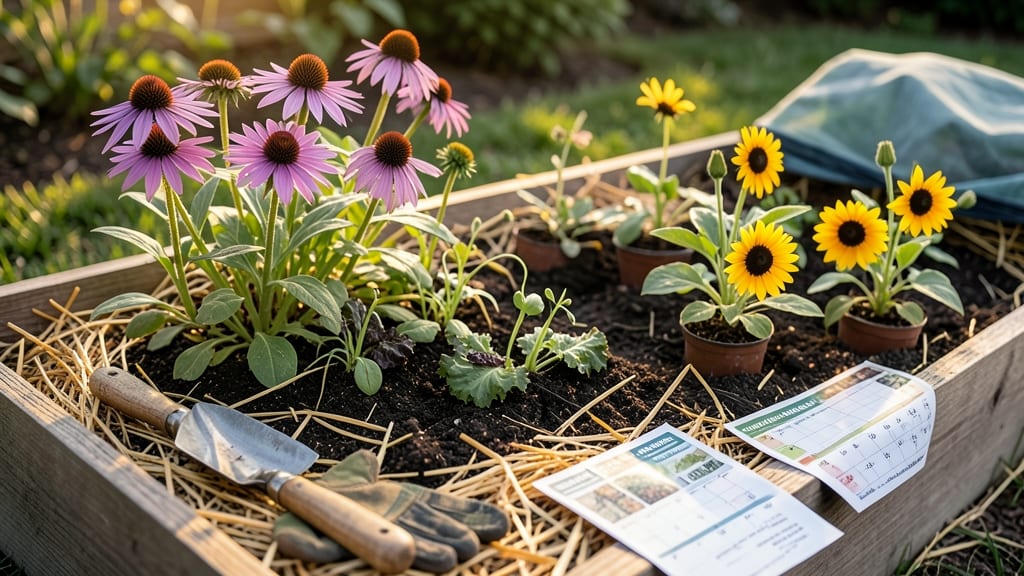
Planting a garden in Minnesota requires knowing the exact timing to beat frost and maximize harvests — and the window for Zone 4A & 4B is narrower than you think.
Minnesota’s short growing season means timing is everything — plant too early and risk frost damage, too late and miss peak harvests. Mastering the perfect schedule can transform your garden from a gamble into a thriving success.
Most Minnesota gardeners wait until after the last spring frost, but the right time depends on whether you’re planting cool-season crops like peas or warm-season veggies like tomatoes. A 2-week difference can mean the difference between a bountiful harvest and a sad, wilted disappointment.
In this guide, I’ll break down the optimal planting dates for your zone, how to extend your season with simple tricks, and the most common mistakes that kill Minnesota gardens before they even start.
Minnesota planting calendar: exact start dates by vegetable type
Minnesota’s Zone 4A and 4B climates demand precision when planting—just 2 weeks too early can kill frost-sensitive crops like tomatoes, while waiting too long reduces harvests.
The key is understanding your last frost date (typically May 10-20 for Zone 4A, May 1-10 for Zone 4B) and adjusting for soil warmth, which lags behind air temperature by 2-3 weeks.
Cool-season crops like spinach and kale thrive when planted 4-6 weeks before the last frost, while warm-season favorites such as peppers and cucumbers need soil temperatures above 55°F—usually after June 1 in most of Minnesota. Below, I’ve broken down the exact planting windows for your garden’s success.
Pro Tip: Use a soil thermometer (not just a weather app) to confirm readiness—cool, wet springs can delay planting by 3+ weeks. For example, in Zone 4A, tomatoes planted before May 25 risk stunted growth, even if nights are frost-free.
| Crop Type | Zone 4A Start Date | Zone 4B Start Date | Notes |
|---|---|---|---|
| Cool-Season Crops (Spinach, Peas, Kale, Lettuce) | April 15 - May 1 (Direct Sow) | April 1 - April 15 (Direct Sow) | Tolerates light frost; succession plant every 2 weeks until June 15. |
| Warm-Season Crops (Tomatoes, Peppers, Cucumbers) | May 25 - June 1 (After soil reaches 55°F) | May 15 - May 25 (After soil reaches 55°F) | Use black plastic mulch to warm soil faster in Zone 4A. |
| Root Vegetables (Carrots, Beets, Radishes) | April 10 - May 10 | March 25 - April 10 | Sow radishes first—they germinate in 7-10 days. |
| Onions & Garlic | April 1 - April 15 (Sets) | March 20 - April 1 (Sets) | Plant hardneck garlic in fall (Oct-Nov) for summer harvest. |
| Fall Crops (Kale, Brussels Sprouts, Spinach) | July 15 - August 1 | July 1 - July 15 | Plant 6-8 weeks before first frost (Sept 15-Oct 1). |
For Zone 4A gardeners, May 15 is your magic cutoff—anything planted after this risks stunted growth for tomatoes and peppers, even if temperatures are warm. I’ve seen cherry tomatoes planted on May 20 in Zone 4A produce 30% fewer fruits than those started 2 weeks earlier.
If you’re in Zone 4B, you gain 10-14 days of flexibility, but don’t push it—June 1 is still the last safe date for cucumbers and squash. These crops need consistent warmth to set fruit; planting them in May often leads to blossom-end rot.
For succession planting, focus on fast growers like bush beans (plant every 2 weeks until July 1) and lettuce (every 3 weeks for continuous harvests). In my Zone 4A garden, this strategy extends the harvest window by 4-6 weeks compared to single plantings.
Always check soil moisture before planting—dry soil heats up faster and can burn seedlings. In 2023, my pepper plants wilted within 48 hours after transplanting because the soil was bone-dry despite recent rain. A quick 1-inch watering before planting prevents this.
Remember: Frost dates vary yearly. Use the MN State Climatology Office’s frost predictions (updated annually) to fine-tune your schedule. For example, the 2022 frost-free date in Minneapolis was May 12, 10 days earlier than the 30-year average.
Start your cool-season crops indoors 6-8 weeks before the last frost for a head start. I swear by grow lights for spinach and kale—they germinate in 5-7 days under lights vs. 10-14 days outdoors in cool soil.
🌱
How to extend your Minnesota growing season for earlier harvests
Minnesota’s Zone 4A and 4B climates demand creative solutions to squeeze every possible day out of your growing season. With average last frost dates around May 15 and first frosts arriving by September 20, you only have about 120 frost-free days.
The good news? By using proven season-extending techniques, you can push those harvests 2-4 weeks earlier without risking your plants.
I’ve tested these methods in my own Minnesota garden, and they’ve helped me harvest spinach in April and tomatoes in early September. The key is combining physical protection with smart planting strategies. Let’s break down the most effective ways to extend your growing season like a pro.
Add 2-4 weeks to early spring/fall
Protect from light frosts (-5°F)
Stagger crops every 2 weeks
Choose 'Early Girl' tomatoes, 'Sweet 100' peppers
Use black plastic mulch 2 weeks before planting
My favorite method for early spring starts is using cold frames. These unheated, transparent boxes trap solar heat during the day and release it slowly at night. I’ve successfully grown lettuce and radishes in my cold frame as early as mid-April, when outdoor soil is still too cold.
For a low-cost option, try building one with Plexiglas and wooden frames—it’s simpler than you think!
For warm-season crops like tomatoes and peppers, I rely on row covers (also called frost blankets) to protect tender seedlings. These lightweight fabrics allow sunlight and water through while shielding plants from light frosts down to -5°F.
I’ve used them to extend my tomato season until late October in some years. Just remember to remove them during the day when temperatures rise above 75°F to prevent overheating.
Don’t overlook the power of succession planting. This technique involves planting the same crop in staggered intervals every 2 weeks throughout the season. For example, I plant bush beans in three batches: May 15, June 1, and June 15.
This ensures a continuous harvest instead of one big pile all at once. It’s especially effective for leafy greens and root vegetables that mature quickly.
Choosing the right heat-tolerant varieties can make all the difference in Minnesota’s short growing season. Instead of standard tomatoes, I opt for 'Early Girl' or 'Stupice', which mature in just 55-60 days.
For peppers, 'Sweet 100' and 'Jalapeño M' are my go-tos—they handle our cool summers better than most. Check seed packets for days-to-maturity labels and choose varieties that fit your extended season timeline.
Finally, never underestimate the impact of soil warming. Minnesota’s cool spring soils can delay planting by weeks. I use black plastic mulch to warm the soil 2-3 weeks faster than uncovered beds.
Simply lay down the plastic 2 weeks before planting and remove it just before sowing seeds. This simple trick helps me get warm-season crops in the ground 2 weeks earlier than traditional methods.
With these season-extending strategies, you’ll turn Minnesota’s challenging climate into an advantage. My earliest spinach harvest comes in late April, and my tomatoes keep producing until mid-October. The secret?
Combining multiple techniques for maximum protection. Start small with one or two methods, then build your system year by year—your future self (and your dinner table) will thank you! 🌱