
Planting
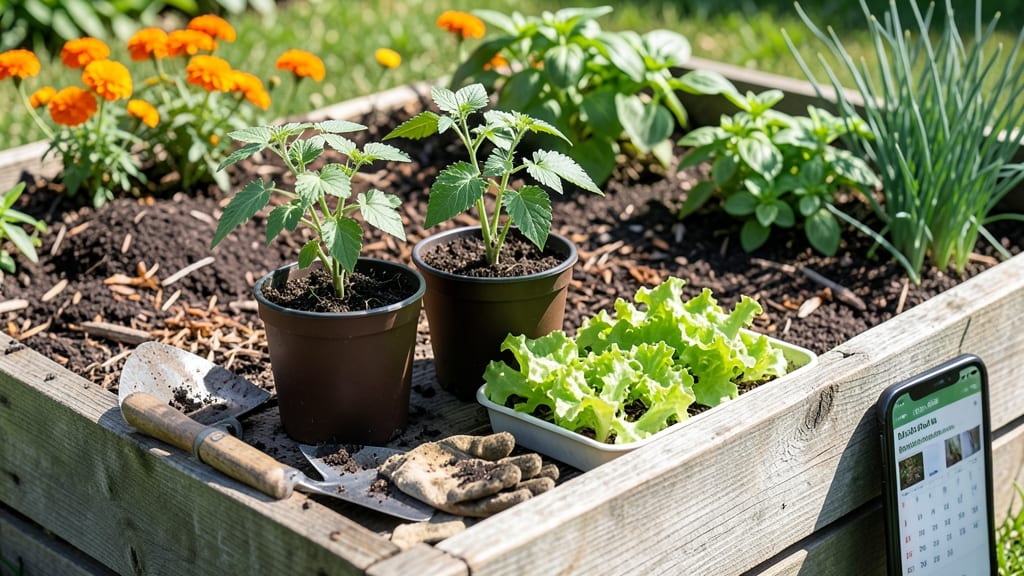
Planting a garden in Missouri at the right time means the difference between a bountiful harvest and a frost-killed disappointment.
Missouri’s unpredictable spring weather can turn a gardener’s best-laid plans into a guessing game—but timing your plantings correctly ensures a thriving harvest. With hardiness zones 5b-6a, knowing the exact windows for sowing seeds and transplanting is the difference between a lush garden and a late frost casualty.
Most General Garden Plants 🌱 thrive when planted between March 15 and May 15 for spring, but your location matters. St. Louis and southern Missouri can start earlier, while northern areas should wait until after the last frost date (around April 15).
In this guide, I’ll break down the ideal planting calendar for your zone, share proven tricks to protect seedlings, and show you how to extend your growing season into fall—so you can enjoy fresh produce well into October.
Missouri planting calendar by season: exact dates for zones 5b-6a
Missouri gardeners know timing is everything—especially when late frosts can wipe out tender seedlings overnight. In USDA zones 5b-6a, average last frost dates range from mid-April in southern Missouri to early May in northern regions.
But don’t rely on averages: microclimates near rivers or hills can push frost dates by 1-2 weeks. Planning around soil temperatures (aim for 60°F for warm crops) is just as critical as calendar dates.
Cool-season crops like spinach and peas thrive when planted 4-6 weeks before last frost, while tomatoes and peppers need warm soil and air—typically 2 weeks after last frost. My rule of thumb?
Start cool-season seeds indoors by February 15 and warm-season seeds indoors by March 15 to avoid transplant shock. For direct sowing, mark April 15 as your "ready date" for most of Missouri, but always verify with local Cooperative Extension data.
Here’s the non-negotiable timeline for Missouri’s two planting seasons, broken down by crop type and zone:
For northern Missouri (Zone 5b), push back planting dates by 1-2 weeks to account for later frosts. In southern Missouri (Zone 6a), you can often plant 2 weeks earlier—but always monitor local weather forecasts.
Pro tip: Use a soil thermometer to confirm readiness for warm-season crops. I’ve lost count of the tomato seedlings I’ve sacrificed to 50°F soil in April!
Adjust for microclimates: Gardens near lakes or south-facing slopes warm up faster, while low-lying areas hold frost longer. Test your space by placing a frost-sensitive plant (like basil) in suspect spots—if it survives overnight, you’re in the clear.
And remember: fall plantings can start as early as August 1 for hardy crops like kale and radishes, which sweeten after frost.
Missouri’s frost-free season averages 165-200 days, but don’t let that fool you into planting too late. I’ve had October freezes nip tomato blossoms in their tracks—always have row covers on hand.
For extended harvests, succession plant lettuce and beans every 2 weeks from April through July. This keeps your garden productive and your pantry stocked.
When in doubt, consult Missouri Botanical Garden’s frost maps or your local county extension office for hyper-local advice. I’ve found their 10-year frost data far more reliable than generic zone guides.
And if you’re new to gardening, start with cool-season crops—they’re forgiving and give you time to learn the ropes before tackling fussy tomatoes.
Plan ahead for soil prep: Amend beds in fall or early spring with compost to improve drainage and warmth. My raised beds heat up faster than in-ground soil, letting me plant peppers 10 days earlier each year.
Just don’t skip the soil test—Missouri’s clay-heavy soil needs organic matter to thrive.
🌱
How to adjust planting times for Missouri’s unpredictable weather
Missouri’s late spring frosts can strike as late as April 15 in many areas, even after the official last frost date. I’ve learned the hard way that warm-season crops like tomatoes and peppers need consistent soil temps above 60°F—not just air temps—to thrive.
Without adjustments, your seedlings could turn into frost snacks instead of flourishing plants.
To beat Mother Nature’s unpredictability, I use a two-pronged approach: starting seeds indoors for a head start and using season-extending tools like row covers and mulch. This method lets me plant tomatoes and peppers 2-3 weeks earlier than the average gardener while still protecting tender seedlings from surprise frosts.
⚠️ callout warning ⚠️
⚠️ Missouri Frost Trap Danger
Low-lying areas and valleys hold cold air longer—sometimes 5-7°F colder than higher ground. If your garden sits in a frost pocket, adjust planting times by 1-2 weeks later than official frost dates. Use a minimum thermometer to track overnight temps in your specific spot.
For cool-season crops like spinach and peas, I actually plant early—as soon as soil is workable in March—because they tolerate light frosts. But for warm-season veggies, I wait until two weeks after the average last frost date.
This buffer gives late frosts time to pass while still allowing enough growing season for a full harvest.
One of my go-to strategies is using black plastic mulch to warm soil faster. I lay it down 2-3 weeks before planting and it can raise soil temps by 5-10°F, creating a microclimate perfect for early tomatoes.
Pair this with floating row covers for an extra 4-6°F of protection when nighttime temps dip.
When deciding whether to start seeds indoors or direct-sow, I follow these rules: Delicate seedlings (like peppers and eggplants) always get the indoor head start, while hardy crops (such as beans and cucumbers) can go straight into the ground after the last frost.
For tomatoes, I start seeds 6-8 weeks before the last frost date to ensure they’re burly enough for transplanting.
Finally, I never underestimate the power of observation. Keep a garden journal to track your local frost dates for 3-5 years—this helps you spot patterns in your specific microclimate.
In my experience, local weather patterns often differ from official averages by 1-2 weeks, making personal records invaluable for perfect timing.