
Planting
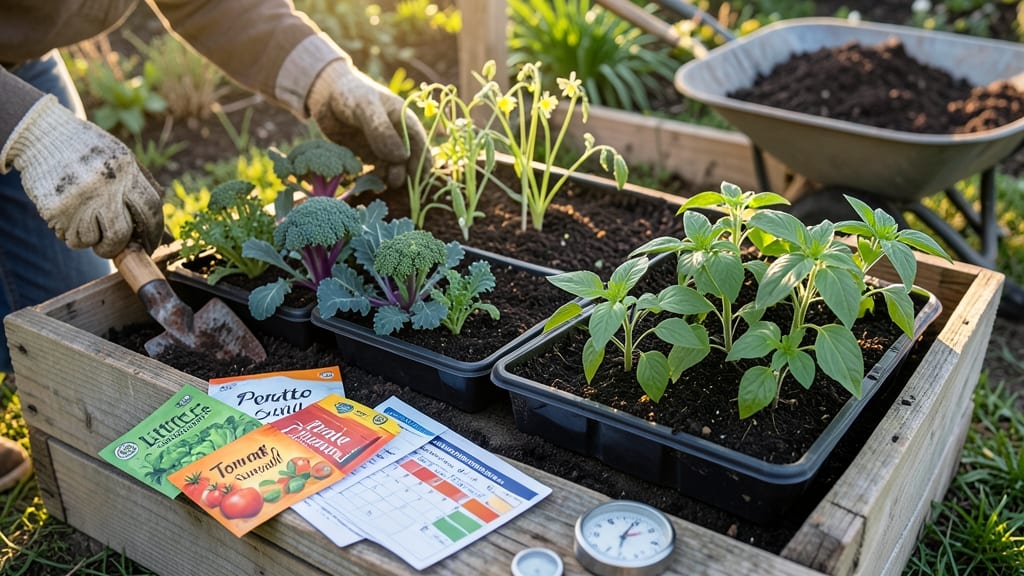
Planting a garden in Washington State at the right time means the difference between a thriving harvest and a sad, wilted mess.
Washington State’s diverse climate—from coastal mildness to inland dry heat—means planting your garden at the wrong time can turn your green dreams into wilted disappointment. Get the timing right, and you’ll enjoy a bountiful harvest all year long.
Whether you’re in the Puget Sound or the Columbia Basin, knowing when to start seeds, transplant seedlings, and tuck in cold-hardy crops is the key to success. The wrong move, and you’ll end up with leggy seedlings or bolted greens.
Below, I break down the best months to plant everything from tomatoes to berries, plus pro tips for extending Washington’s short growing seasons. No more guessing—just a foolproof plan for your 🌱 General Garden.
Washington State planting zones: when to start seeds and transplant by region
Washington State’s diverse USDA planting zones (6b-8b) create unique challenges and opportunities for gardeners. The coastal regions enjoy milder winters, while eastern areas face earlier frosts and hotter summers. Understanding these differences helps you time seed-starting and transplanting for maximum success.
For Western Washington (including Puget Sound), last frosts typically arrive between March 15 and April 1, while Eastern Washington (like the Columbia Basin) often sees frost-free conditions by April 15 to May 1.
These dates shift your planting windows significantly—coastal gardeners can start earlier, while inland gardeners must wait longer.
Here’s a quick reference for seed-starting indoors and transplanting outdoors by region, focusing on cool-season crops like lettuce, kale, and carrots, as well as warm-season crops like tomatoes and peppers.
For Western Washington, where milder winters prevail, you can start cool-season crops like lettuce and spinach as early as February indoors.
By April 15, these seedlings are ready for transplanting. Warm-season crops like tomatoes and peppers need to wait until soil temperatures reach 60°F+, typically around May 15.
In Eastern Washington, the shorter growing season demands earlier starts. Begin cool crops indoors by March 1 and transplant by May 10.
For warm crops, wait until April 15 to start seeds indoors, then transplant by June 1 to avoid early frost risks. Heat-tolerant varieties like ‘Early Girl’ tomatoes perform best in these regions.
Don’t overlook fall planting, especially for cold-hardy greens like kale and spinach. In Western WA, you can sow seeds directly in September for harvests before the first frost in October-November. In Eastern WA, aim for August sowing to beat the earlier frost dates.
Use row covers or cold frames to extend your season. These tools can push your last harvest dates by 2-4 weeks, especially for root vegetables like carrots and beets. For example, in Spokane, you might harvest carrots until November 1 with protection, compared to October 15 without.
Always check soil temperatures before transplanting. Use a soil thermometer to ensure cool crops (like broccoli) have soil at 50°F+ and warm crops (like peppers) have soil at 70°
Best months to plant specific vegetables in Washington State
Washington’s varied climate means timing is everything for your vegetable garden. Inland areas like the Columbia Basin have hotter summers, while coastal regions like Puget Sound stay cooler longer.
I’ve tailored this guide to help you plant 12 essential crops at the perfect time, whether you’re growing heat-loving tomatoes or frost-hardy peas.
For coastal gardens, start cool-season crops like lettuce and spinach as early as February, while inland gardeners should wait until March or April when soil warms. Warm-season crops like tomatoes and peppers need to go in after the last frost—typically May in Western WA and June in Eastern WA.
Here’s a quick comparison of planting windows for 12 key crops, adjusted for Washington’s microclimates:
| Crop | Coastal WA (Puget Sound) | Western WA (Inland) | Eastern WA (Columbia Basin) | Notes |
|---|---|---|---|---|
| Tomatoes | May 1–June 15 | May 15–June 1 | June 1–July 1 | Use heat-tolerant varieties (e.g., 'Solar Fire') for inland areas. |
| Potatoes | March 1–April 15 | March 15–April 30 | April 1–May 15 | Plant seed potatoes 4–6 inches deep in loose soil. |
| Peas | February 1–March 31 | March 1–April 15 | April 1–May 1 | Cool-season crop; harvest before summer heat sets in. |
| Lettuce | February–September | March–August | April–July | Sow succession crops every 2 weeks for continuous harvest. |
| Carrots | March–August | April–July | April–June | Avoid rocky soil; loosen soil to prevent forking. |
| Broccoli | March–April, August–September | April–May, August | May, September | Spring planting for summer harvest; fall planting for winter harvest. |
| Cucumbers | May 15–June 30 | June 1–July 15 | June 15–July 30 | Train on trellises to save space and improve air circulation. |
| Green Beans | May 1–June 15 | May 15–June 30 | June 1–July 15 | Bush beans mature faster than pole beans in short seasons. |
| Onions | March–April | April | April–May | Start from sets or transplants for best results. |
| Peppers | May 15–June 15 | June 1–July 1 | June 15–July 15 | Use black plastic mulch to warm soil in cooler regions. |
| Spinach | February–March, August–September | March–April, August | April, September | Avoid planting when days exceed 75°F to prevent bolting. |
| Strawberries | March–April | April | April–May | Plant bare-root plants or ever-bearing varieties for year-round harvests. |
For coastal gardeners, focus on spring planting (February–April) for cool-season crops like lettuce, peas, and spinach. Inland areas should prioritize late spring to early summer (May–June) for heat-loving crops like tomatoes and peppers.
Always check your local last frost date—typically March 15 in Western WA and April 15 in Eastern WA.
Pro tip: Use row covers to extend the season for early spring or late fall plantings. For example, you can plant spinach in August for a fall harvest by covering seedlings with lightweight fabric to protect against early frosts.
Adjust your planting schedule based on your specific microclimate. If you’re in the Cascade foothills, you might have 2–3 weeks later last frosts than Puget Sound.
Always monitor soil temperatures—cool crops like carrots and peas need soil at 50°F+, while warm crops like tomatoes and peppers thrive at 60°F+.
With this guide, you’ll avoid the heartbreak of bolted greens or wilted seedlings and enjoy a bountiful harvest all season long. Happy planting! 🌱