
Planting
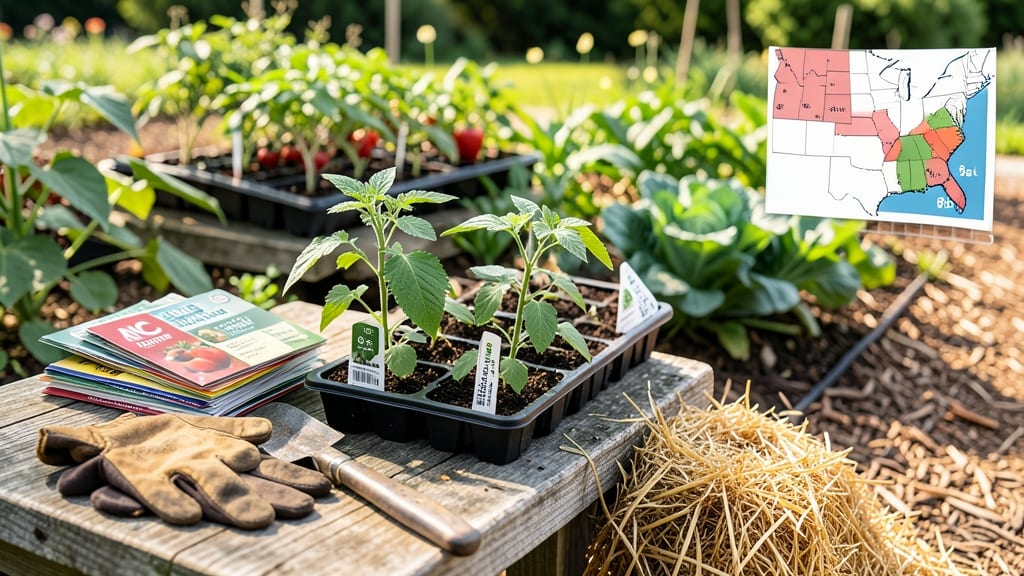
Planting a vegetable garden in NC depends on knowing your last frost date — and missing it can mean the difference between a thriving harvest and wasted seeds.
North Carolina’s warm climate and four distinct seasons offer gardeners a longer growing window—but planting at the wrong time can mean lost crops or stunted growth. Timing is everything when starting a vegetable garden in NC’s Zone 7a-8b, where last frost dates and heat tolerance dictate success.
From the Piedmont’s rolling hills to the coast’s humid breezes, each region has its own rhythm. In Raleigh, you’ve got mid-March to start cool-season crops, while Charlotte’s slightly later frost means waiting until early April. Meanwhile, Asheville’s high-altitude chill keeps gardeners waiting until late April for safe planting.
Below, I break down the exact windows for cool-season and warm-season vegetables, plus how to adjust for unexpected frosts or heatwaves. You’ll walk away with a clear schedule, regional tweaks, and the confidence to plant at the perfect moment.
NC last frost dates by region: exact planting windows for Zone 7a-8b
North Carolina’s varied climate means your last frost dates can differ by hundreds of miles. In Zone 7a-8b, coastal areas like Wilmington enjoy frost-free springs by March 15, while Asheville’s high-altitude gardens may wait until April 15.
These differences create precise planting windows for your vegetable garden.
Understanding these regional frost dates helps you align cool-season crops like broccoli with early spring and warm-season crops like tomatoes with summer heat. Miss these windows, and you risk frost damage or bolting before harvest. Let’s break down the exact dates for NC’s key regions.
| Region | Avg. Last Frost | First Planting (Cool-Season) | Last Planting (Warm-Season) | Fall Planting Window |
|---|---|---|---|---|
| Raleigh (Zone 7b) | March 22 | March 15 (peas, spinach) | May 15 (tomatoes, peppers) | August 15-Sept 15 |
| Charlotte (Zone 7b) | March 20 | March 10 (lettuce, kale) | May 10 (cucumbers, beans) | August 10-Sept 10 |
| Asheville (Zone 7a) | April 15 | April 1 (hardy greens) | May 30 (eggplant, okra) | September 1-Oct 1 |
| Coastal (Wilmington, Zone 8a) | March 15 | February 28 (peas, radishes) | April 15 (squash, melons) | July 15-Sept 1 |
For Raleigh gardeners, the March 22 average last frost means you can start cool-season crops like peas and spinach as early as March 15. But wait until May 15 to plant heat-loving tomatoes and peppers, or risk frost damage from late-season cold snaps.
The fall planting window (August 15-Sept 15) lets you squeeze in another round of broccoli and carrots before winter.
In Charlotte, slightly earlier frost dates let you begin planting cool-season crops by March 10. The May 10 deadline for warm-season crops is critical—plant cucumbers and beans too early, and they’ll bolt in the heat.
Coastal areas like Wilmington enjoy the longest growing season, with February 28 as the ideal start for peas and radishes and April 15 for squash and melons.
High-altitude areas like Asheville face later frost dates (April 15), so delay planting cool-season crops until April 1. The May 30 deadline for warm-season crops is strict—eggplant and okra need all summer to mature.
Your fall window (September 1-October 1) is shorter, so prioritize fast-maturing varieties like bush beans.
Pro tip: Use NC State Extension’s frost maps to track real-time updates. If temperatures dip unexpectedly, cover tender seedlings with row covers or frost cloth. For coastal gardeners, humidity can delay first frost—watch for first frost warnings in October to protect late-season crops.
For successive planting, stagger seeds every 2-3 weeks within your region’s window. For example, in Raleigh, plant lettuce every 10 days from March 15 to May 1 to ensure a continuous harvest. This strategy works for beans, radishes, and carrots too.
Don’t forget
Best vegetables to plant in NC by season: heat-tolerant vs. frost-resistant varieties
North Carolina’s diverse climate lets you grow almost year-round, but choosing the right vegetables for each season is key. Cool-season crops thrive in spring and fall, while warm-season varieties dominate summer. I’ve selected the best performers for NC’s Zone 7a-8b, including heat-resistant tomatoes and cold-hardy greens that deliver consistent harvests.
For spring planting (March-April), focus on frost-resistant vegetables like broccoli, kale, and peas. These tolerate light frosts and even grow better with cooler temperatures. Meanwhile, summer crops (May-July) need heat tolerance—think okra, sweet potatoes, and black-eyed peas, which handle NC’s humidity and 90°F+ days.
Fall planting (August-September) bridges the gap with cold-hardy varieties like spinach, radishes, and turnips, while winter (October-December) lets you grow collard greens and garlic under row covers. Succession planting—like sowing lettuce every 2 weeks—keeps harvests coming all season.
- 🌿 Spring (Mar-Apr): 'Winterbor' kale, 'Sugar Ann' peas, 'Green Vantage' broccoli
- ☀️ Summer (May-Jul): 'Celebrity' tomatoes, 'Tropicana' okra, 'Beauregard' sweet potatoes
- 🍂 Fall (Aug-Sep): 'Bloomsdale' spinach, 'Cherry Belle' radishes, 'Purple Top' turnips
- ❄️ Winter (Oct-Dec): 'Georgia Southern' collards, 'Silverskin' garlic, 'Winter Density' lettuce
Heat-tolerant tomatoes like 'Celebrity' or 'Heatmaster' thrive in NC’s summer heat, while cold-hardy greens such as 'Winterbor' kale survive light frosts. For succession planting, try fast-growing radishes or bush beans every 2 weeks to maximize space.
Mulching with straw in summer keeps roots cool, while row covers in winter protect tender crops.
My top tip? Start cool-season crops 4-6 weeks before your last frost date (check local averages!) and warm-season crops only after soil reaches 60°F. Use a soil thermometer—it’s a game-changer for timing.
For coastal areas, plant 1-2 weeks later due to milder winters, while mountain regions may need earlier starts for shorter summers.
With this seasonal lineup, you’ll enjoy fresh produce from spring through fall—and even winter greens with minimal effort. The key is matching varieties to NC’s climate quirks, like humidity-loving okra or frost-tolerant spinach. Happy planting! 🌱