
Planting
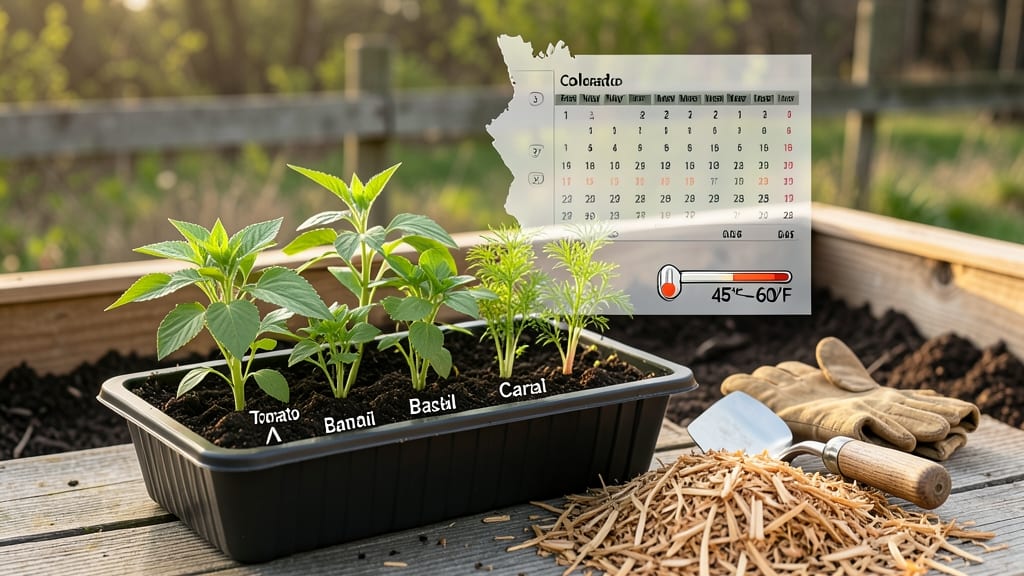
Planting a garden in Colorado at the right time is the difference between a bountiful harvest and a sad pile of frost-nipped seedlings.
Colorado’s unpredictable climate can turn gardening from a rewarding hobby into a frustrating gamble—unless you plant at the perfect time.
Missing the window by even a few weeks could mean frost-killed seedlings or stunted harvests, but timing your garden right guarantees a thriving plot from the Rocky Mountains to the Front Range.
Whether you’re sowing cold-hardy veggies in March or waiting for warm soil in May, the key lies in knowing your zone and adjusting for altitude. The Front Range’s USDA Zone 5-6 plays by different rules than the Western Slope’s Zone 7, and a simple calendar won’t cut it.
Inside, I break down the exact months to start seeds indoors, transplant outdoors, and protect your crops from late frosts—plus the one trick that saves high-value plants when temperatures swing unpredictably.
Colorado planting zones: when to start seeds indoors vs. outdoors
Colorado spans USDA Hardiness Zones 4–7, meaning your planting schedule should shift dramatically between Denver’s high-altitude zone 5 and Grand Junction’s warmer zone 6–7. The key to success?
Starting seeds indoors at the right time and transplanting outdoors only after the last frost—typically mid-April to late May depending on elevation. I’ve gardened in both zones and learned the hard way that rushing seedlings outdoors too early leads to frost damage, while waiting too long shortens the growing season.
For zone 5 areas (Denver, Boulder, Fort Collins), begin indoor seed-starting in early February for cool-season crops like kale, peas, and spinach. Warm-season plants (tomatoes, peppers) need a March start to mature before Colorado’s first frost in October.
In zone 6–7 (Colorado Springs, Grand Junction, Pueblo), you’ve got extra time—start warm-season seeds in late February to early March and transplant outdoors by mid-April.
High-altitude gardens (above 6,000 ft) face unique challenges, like shorter growing seasons and intense UV radiation. I’ve found that elevations over 7,000 ft (like Aspen or Leadville) need to start seeds 4–6 weeks earlier indoors and use fast-maturing varieties of tomatoes and peppers.
For example, ‘Early Girl’ tomatoes (55 days to maturity) thrive where ‘Better Boy’ (80+ days) might not ripen fully.
Don’t overlook soil temperature—it’s just as critical as air temperature. In zone 5, wait until soil reaches 45°F for cool crops and 60°F for warm crops before transplanting.
Use a soil thermometer to avoid false starts. I once planted cucumber seeds in cold soil in May, and they rotted before sprouting. A $10 thermometer saves hours of heartache!
For perennials and shrubs, timing matters too. Plant bare-root roses or lavender in early spring (March–April) when the ground is workable but before bud break. In zone 6–7, you can also plant in fall (September–October) for established roots before winter.
My Russian sage thrives because I planted it in October—it’s now a 6-foot beauty that requires zero care.
Colorado’s microclimates add another layer of complexity. A south-facing slope in zone 5 might warm up enough to plant melons in early June, while a northern exposure could delay transplanting by 2–3 weeks. Observe your garden’s sun exposure patterns for a week before planting.
I moved my zucchini plants from a shady spot to full sun, and they went from struggling to producing 20 pounds of squash in a month!
If you’re new to Colorado gardening, start with cold-hardy crops like spinach, radishes, and peas—they forgive late starts. Save delicate plants (like basil or eggplant) for when you’ve mastered the frost-free window.
I still remember my first year planting tomatoes in late May only to lose them to a June frost. Now, I use frost cloth as a safety net and never skip checking the Colorado State University Extension’s frost date maps.
For container gardening (balconies, patios), you’ve got flexibility. Move pots indoors or under row covers if frost threatens. My herb garden on the balcony stays productive year-round because I bring basil and cilantro inside when nights dip below 40°F.
Containers also warm up faster in spring, letting you start planting 2–3 weeks earlier than in-ground gardens.
Finally, track your own frost dates for 3–5 years to adjust timelines. What worked in 2023 might fail in 2025 due to climate shifts. I keep a gardening journal with notes on frost dates, plant performance, and weather quirks. It’s become my
Best vegetables and flowers to plant by month in Colorado
Colorado’s diverse elevations create unique planting windows—what works in Denver (5,280 ft) may fail in Grand Junction (4,450 ft) or Leadville (10,152 ft). At higher altitudes, spring arrives 2–4 weeks later, while lower desert areas can plant tomatoes as early as March.
The key is matching your last frost date (typically May 1–15 in most zones) with each plant’s cold tolerance.
For cold-hardy vegetables, start peas, spinach, and kale in March at lower elevations or April above 7,000 ft. Warm-season crops like tomatoes, peppers, and basil need soil temperatures above 60°F, usually late May to early June. Perennials such as lavender and coneflowers thrive when planted in early spring (March–April) or fall (September) to establish roots before winter.
Here’s your month-by-month planting guide, tailored for 5,000–10,000 ft elevations with altitude adjustments:
- March: Peas, spinach, kale, onions (direct sow). Start tomato and pepper seeds indoors (6–8 weeks before last frost).
- April: Lettuce, carrots, radishes, potatoes (chit early!). Transplant broccoli and cabbage seedlings. Perennials like lavender can go in.
- May: Warm-season veggies (tomatoes, peppers, squash) after last frost. Plant beans, corn, and marigolds for pest control.
- June: Succession plant lettuce, bush beans, and cucumbers. Add sunflowers and cosmos for pollinators.
- July–August: Fall crops like kale, garlic, and cover crops (clover, vetch). Plant pansies for early spring color.
- September: Bulbs (tulips, daffodils) and hardy perennials (coneflowers, sedum). Direct-sow spinach for winter harvests.
Altitude Tip: Add 2–3 weeks to planting times for every 1,000 ft above 5,000 ft. Use row covers to extend seasons in high-altitude gardens. 🌿
Pro Tip: Use a soil thermometer—most seeds need 40–50°F soil for germination. Peppers and eggplants are finicky; wait until June 1 in cooler zones. For flowers, coneflowers and black-eyed Susans self-seed reliably, while lavender prefers well-draining soil and full sun to thrive year after year.
Colorado’s short growing season demands efficiency. Prioritize fast-maturing varieties (e.g., ‘Early Girl’ tomatoes or ‘Sugar Ann’ peas) and succession plant every 2–3 weeks for continuous harvests. Mulch heavily in September to protect roots from early frosts, which can hit as soon as October in mountain areas. 🌱
Need a backup plan? Save seeds from your best tomatoes, beans, and peppers for next year—Colorado’s dry climate preserves viability well. And don’t forget pollinator-friendly flowers like bee balm or alyssum to boost your veggie yields naturally. ☀️