
Planting
Zone 9 gardening allows year-round planting thanks to frost-free winters, letting you grow warm-season favorites like tomatoes and peppers continuously while cool-season crops thrive in mild conditions. Time your planting around the last spring frost (usually late February) and first fall frost (November), always factoring in local microclimates and elevation differences.
This extended growing season is a gardener's dream, but it comes with unique challenges. 🌿 The key is understanding your specific microclimate—areas near coastlines or valleys may experience frost even in Zone 9, while higher elevations could see earlier cold snaps.
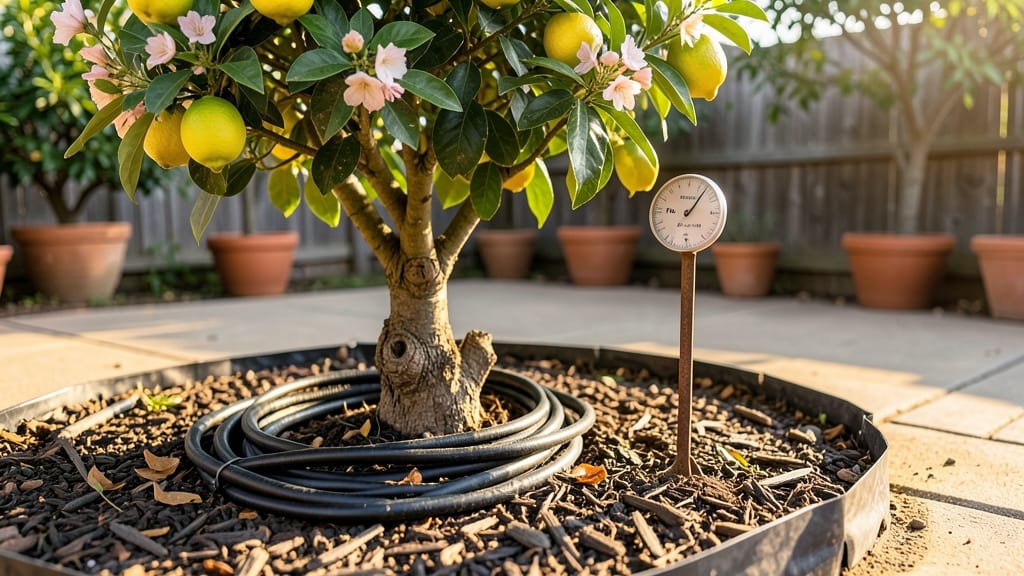
I've found that citrus trees and bougainvillea often become the stars of Zone 9 gardens because they handle the mild winters so well. The secret lies in selecting plants that match your area's specific temperature ranges and humidity patterns, which typically average between 20-30°F for lows.
For practical application, think of your garden as a year-round operation rather than seasonal. Warm-season crops like eggplants and okra can start going in as early as March, while cool-season greens like kale and spinach can often be planted straight through until February.
The ability to succession plant means you can keep harvesting fresh produce with minimal gaps—just watch those frost dates and be ready to protect tender plants with row covers when needed.
💡 In This Article
- Understanding Zone 9 Climate and Plant Hardiness
- Monthly Zone 9 Planting Schedule by Season
Understanding Zone 9 climate and plant hardiness
Zone 9's extended growing season stems from its mild winters, where average low temperatures typically range between 20-30°F. This climate pattern—defined by the USDA Plant Hardiness Zone Map—creates an ideal environment for both warm-season crops and frost-sensitive plants like citrus and bougainvillea.
The lack of harsh freezes allows gardeners to grow tropical and subtropical species year-round, which would otherwise perish in colder climates. 🌿 For example, while Zone 5 gardens might struggle with citrus trees surviving winter, Zone 9's stable temperatures let these plants thrive without protection.
The humidity levels in Zone 9 also play a crucial role in plant health. Coastal areas often experience higher humidity, which can promote fungal diseases in susceptible plants, while inland regions may have drier conditions.
This variation means gardeners must select plant varieties that match their specific microclimate—like choosing drought-tolerant succulents for arid areas or opting for disease-resistant tomato varieties near the coast. The interaction between temperature and humidity affects everything from soil moisture retention to plant respiration rates, making local observations essential for success.
Microclimates within Zone 9 can create significant differences in frost risk, even within a few miles. For instance, valleys might experience colder nighttime temperatures than nearby hillsides due to cold air settling.
This is why gardeners should monitor local weather patterns and consider installing a home weather station to track temperature fluctuations. Understanding these microclimates helps determine which plants will thrive in specific garden spots—like placing frost-sensitive plants near south-facing walls that absorb and radiate heat during the day.
One of the most important factors in Zone 9 gardening is the USDA hardiness zone designation, which helps predict which plants can survive winter conditions. However, the actual growing season often extends beyond these guidelines due to the region's mild winters.
For example, while Zone 9b (average lows of 25-30°F) might support certain citrus varieties, Zone 9a (average lows of 20-25°F) requires more cold-hardy selections.
This distinction explains why some gardeners in Zone 9a can grow Meyer lemons successfully, while others might need to protect their trees with frost cloth during occasional cold snaps.
The extended growing season also affects plant growth cycles. Warm-season crops like okra and sweet potatoes can be planted as early as March and harvested continuously through October, while cool-season crops like broccoli and cabbage can be sown in September and harvested until February.
This overlap creates opportunities for succession planting, allowing gardeners to maintain a steady harvest of fresh produce throughout the year. The key is understanding each plant's specific temperature requirements and adjusting planting times accordingly.
For those new to Zone 9 gardening, starting with cold-hardy varieties of familiar plants can help build confidence. For example, while standard tomatoes may struggle in colder Zone 9a areas, heat-tolerant varieties like 'Solar Fire' or 'Heatmaster' perform exceptionally well.
Similarly, choosing native plants adapted to local conditions—such as desert marigolds or Texas sage—reduces the need for supplemental watering and maintenance. These plants have evolved to thrive in Zone 9's specific climate challenges, making them ideal choices for both beginners and experienced gardeners alike.