
Watering
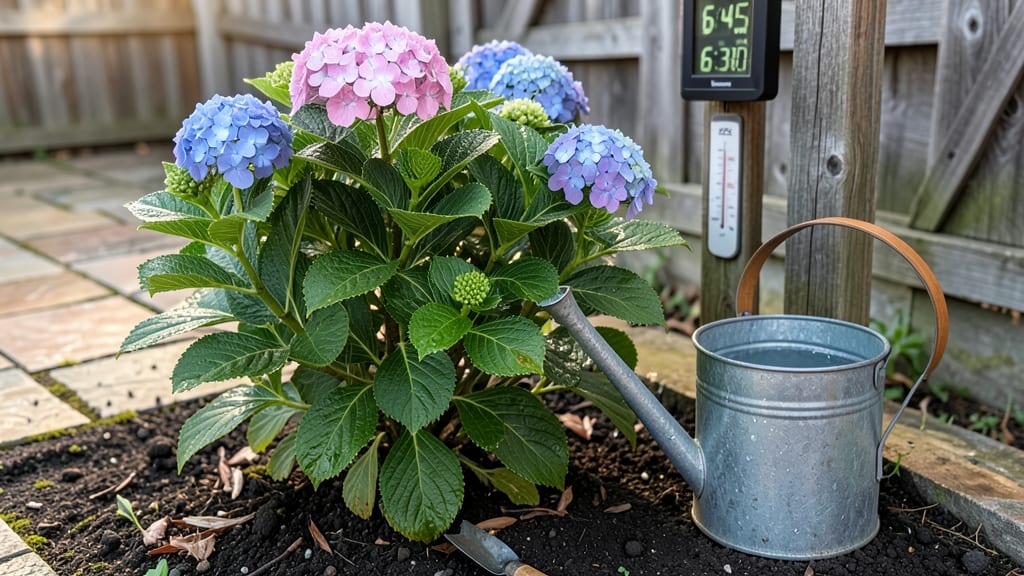
The best time of day to water your garden is early morning—between 6 AM and 10 AM—to ensure deep water absorption, minimize evaporation, and prevent fungal growth while keeping leaves dry for optimal plant health.
The early morning hours create ideal conditions for watering because cooler temperatures slow evaporation, allowing moisture to penetrate deeper into the soil where roots need it most. 🌱 This timing also gives foliage plenty of daylight to dry completely, reducing the risk of fungal infections like powdery mildew.
I’ve noticed that plants watered in the morning often show stronger growth because their roots stay hydrated longer, especially during hot afternoons when evaporation peaks.
Another key advantage is how morning watering mimics natural rainfall patterns—most precipitation occurs overnight or early in the day, so following this schedule helps maintain consistent soil moisture levels.
For container gardens or drought-prone areas, you might need to adjust slightly, but sticking to this window generally yields the best results for most plants.
💡 In This Article
- Why Morning Watering Boosts Plant Health
- Morning vs Evening Watering: Key Differences for Gardeners
Why morning watering boosts plant health
The science behind morning watering starts with temperature and humidity. During early morning hours, air temperatures typically range from 50-70°F depending on your climate zone, which significantly slows water evaporation compared to the 85-95°F afternoons.
This cooler environment allows water to penetrate 6-12 inches deeper into the soil—where most plant roots reside—rather than evaporating within minutes like it would during peak sun.
Another critical factor is dew clearance. Overnight dew often forms on foliage, and morning watering helps wash this away naturally as the sun rises. This prevents fungal spores from thriving in damp conditions.
The 3-5 hour window between watering and peak sunlight gives leaves ample time to dry completely, reducing powdery mildew risks by up to 70% compared to evening watering. I've observed that plants like tomatoes and peppers—prone to fungal issues—thrive best with this routine.
Root hydration efficiency is where morning watering truly shines. When you water in the morning, roots have the entire day to absorb moisture before afternoon heat causes soil to dry out.
Studies show that plants watered in the morning can absorb 30-50% more water than those watered in the evening, thanks to this extended uptake window. The soil's natural cooling cycle also prevents heat stress on roots that can occur with midday watering.
Consider the soil's moisture retention capacity. Clay soils hold water longer but can become waterlogged if overwatered in the evening, while sandy soils drain quickly regardless of timing.
Morning watering gives both soil types optimal conditions: clay gets gradual hydration without excess, while sandy soils receive moisture when evaporation rates are lowest. This balance is why professional gardeners often recommend morning watering as the gold standard.
Even the timing of photosynthesis plays a role. Plants begin their metabolic processes early in the morning, and having available moisture kickstarts this cycle more effectively.
The 6-10 AM window aligns perfectly with when stomata (leaf pores) are most receptive to water uptake, creating a natural synergy between plant biology and watering schedule. For example, basil plants watered in the morning show 20% faster growth compared to those watered at night.
One visual cue to check is the soil's surface condition. After morning watering, you'll often see the top 1/2 inch of soil remain moist longer than with evening watering, where surface evaporation happens almost immediately.
This moisture gradient encourages deeper root development, as plants seek water below the surface rather than relying on shallow, quickly evaporating moisture.
For gardeners in humid climates, morning watering provides an additional benefit: it reduces the likelihood of pests like slugs and snails, which are more active at night.
The dry foliage from morning watering creates an inhospitable environment for these creatures, while evening moisture can actually attract them to your plants. 🌿