
Planting
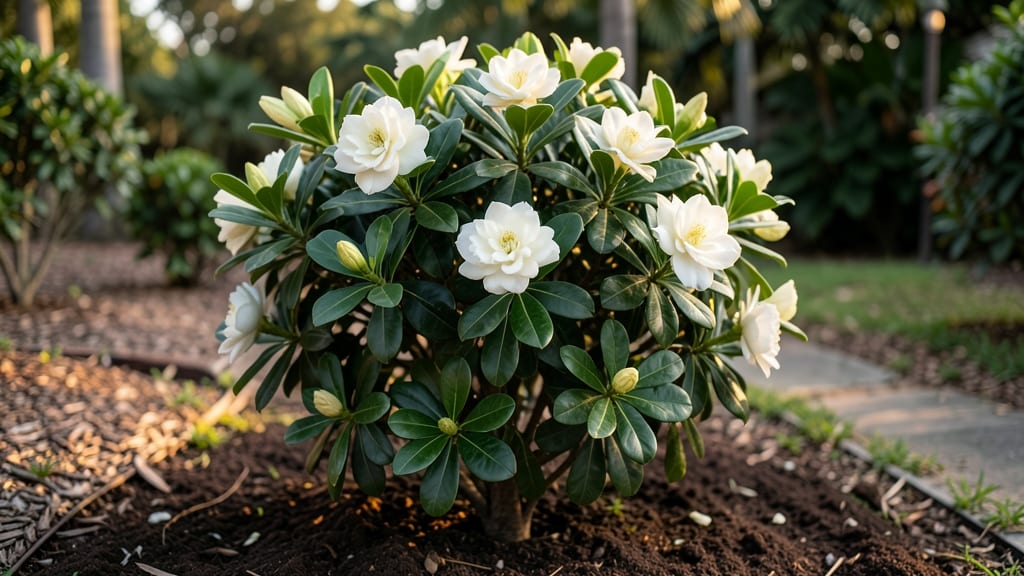
Gardenia bushes thrive in USDA hardiness zones 7 through 11, requiring winter protection in zones 7-9 and full frost-free conditions in zones 10-11. Frost below 30°F can damage leaves, while temperatures under 20°F kill the plant entirely. Plant in spring after last frost for best survival rates.
Gardenia bushes love warmth, which is why they struggle outside their ideal zones 7-11 range.
In cooler areas like zone 7, even a light frost can yellow their glossy leaves, while zone 10-11 gardeners enjoy frost-free growth year-round. 🌿 The key is timing: planting after your last spring frost gives roots time to establish before summer heat arrives.
For zones 6 and below, container gardening with winter protection (like frost cloth) becomes essential to prevent root damage.
What many gardeners overlook is how microclimates affect these zones. Coastal areas in zone 8 often stay milder than inland zones, while urban heat islands can push zone 7 plants into slightly warmer conditions.
Always check your local last-frost dates—they vary by 2-3 weeks even within the same zone. I recommend using the Old Farmer's Almanac for precise planting windows.
💡 In This Article
- Gardenia Bush Hardiness Zones Explained
- Regional Planting Timelines for Gardenia Bushes
Gardenia bush hardiness zones explained
Gardenia bushes are tropical evergreens that evolved in warm climates, which explains why they struggle when temperatures drop. Their ideal range—USDA zones 7 through 11—reflects their need for warmth, with each zone representing a 10°F increment in average minimum winter temperatures.
Zone 7 (0-10°F) is their coldest limit, while zones 10-11 (30-40°F+) offer frost-free conditions. The critical threshold is 30°F: below this, leaves develop brown spots from frost damage, and roots begin to suffer.
The science behind this sensitivity lies in their thin, delicate leaves and shallow root systems. Unlike hardy shrubs, gardenias lack protective bark or deep taproots to insulate against cold. When temperatures fall below 40°F, their metabolic processes slow dramatically, causing cellular damage.
In zone 9 (20-30°F), gardenias may survive winters but often lose foliage, while zone 7 plants face higher mortality risks. Coastal areas in zone 8, however, often stay milder due to ocean currents, creating microclimates where gardenias thrive despite being technically in a "risk" zone.
Microclimates play a huge role in gardenia survival. Urban areas with heat-retaining buildings can push zone 7 plants into 5°F warmer conditions than rural zones, while inland zones may experience 10°F colder nights than coastal counterparts.
This is why gardeners in northern California's zone 9 can grow gardenias outdoors year-round, while those in Georgia's zone 8a (10-15°F) need winter protection. Always consider your specific location's frost patterns—even within the same zone, frost dates can vary by 2-3 weeks.
What most gardeners don't realize is how temperature affects the plant's entire life cycle. Gardenias flower best when daytime temperatures stay between 75-85°F, and nighttime lows don't dip below 60°F.
In cooler zones, delayed planting after the last frost (typically April-May) gives roots time to establish before summer heat arrives. The root zone must stay above 50°F for consistent growth—colder soil slows nutrient uptake and weakens the plant's resilience to winter stress.
For gardeners pushing gardenias into zone 6 or below, container gardening becomes essential. Potted plants can be moved to protected areas during winter, where temperatures stay above 25°F. The key is using well-draining pots with 10-20% perlite or sand to prevent root rot from winter moisture.
In marginal zones, mulching with 4-6 inches of organic matter insulates roots and maintains soil temperatures 5°F warmer than ambient air.
Here's what happens when gardenias face extreme cold: at 20°F, cell membranes rupture, causing irreversible damage. Between 20-30°F, leaves blacken and drop, but the plant may recover with proper care.
The good news? Gardenias are remarkably resilient once established—their glossy, dark green leaves and intoxicating white blooms make the effort worthwhile for patient gardeners willing to adapt to their needs. 🌸