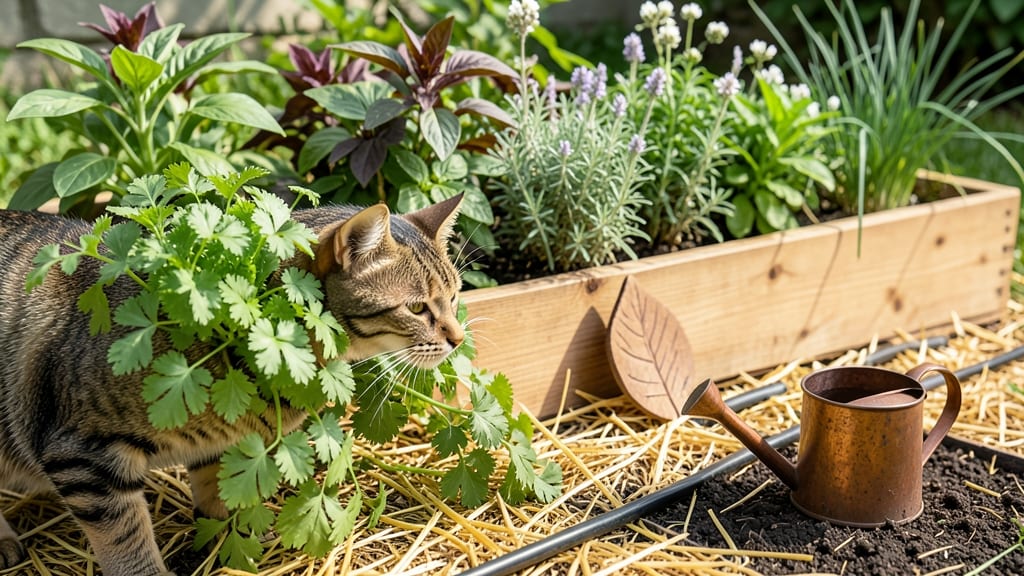
💥 Quick Answer Creating a pet-friendly garden means removing dangerous plants like lilies and azaleas, avoiding chemical pesticides, and designing safe zones with pet-safe mulch and grass alternatives. Active…
💥 Quick Answer Understanding plant gardening zones helps you pinpoint your area's last frost dates, which is essential for choosing plants that thrive in your region's specific temperature patterns and seasonal…
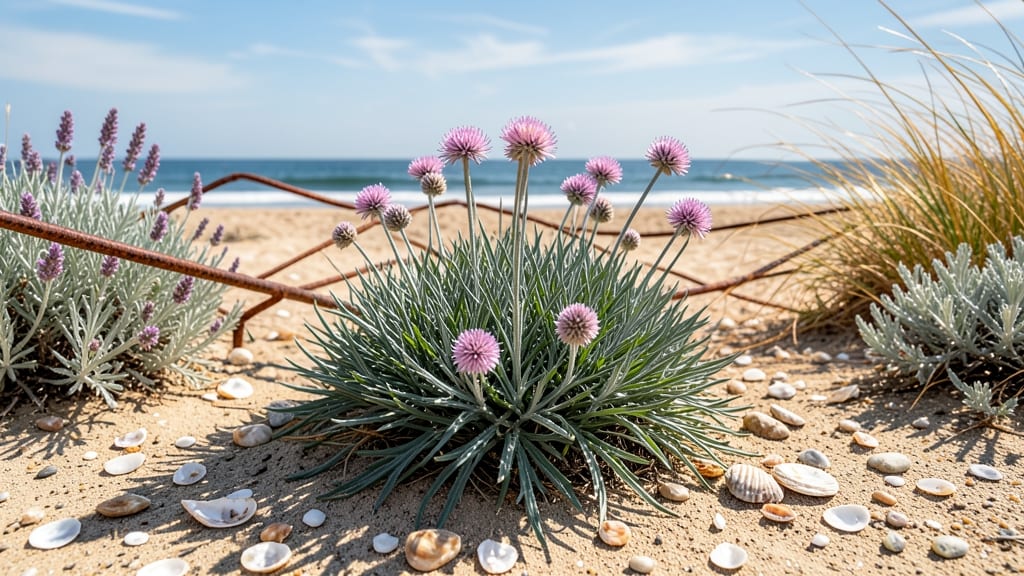
💥 Quick Answer For seaside gardens, salt-tolerant plants like sea oats, beach grass, and saltmarsh cordgrass thrive in windy, salty conditions while enhancing coastal beauty. Drought-resistant succulents and hardy…
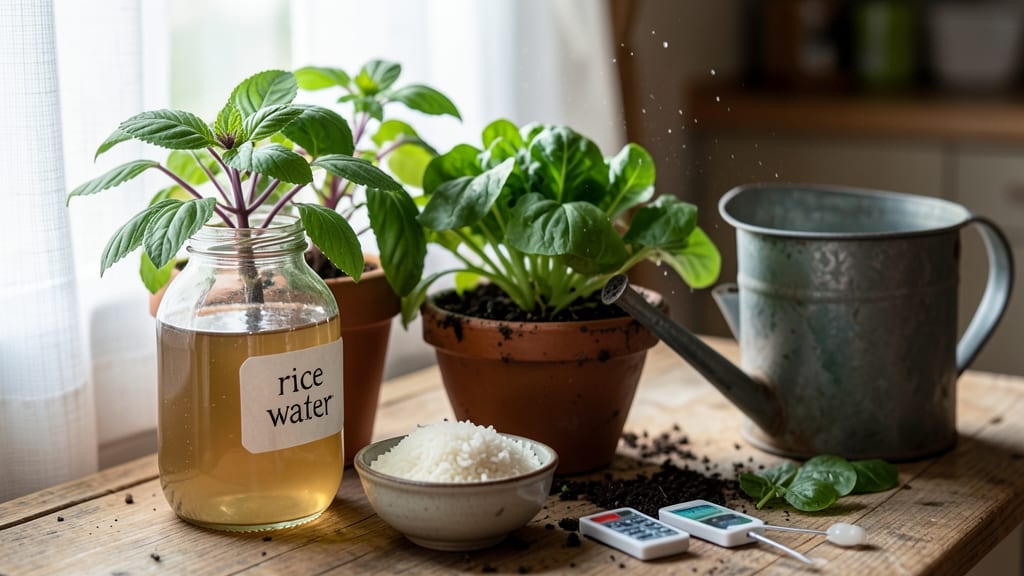
💥 Quick Answer Rice water for garden use acts as a natural fertilizer that enhances root development, delivers essential nutrients like nitrogen and potassium, and encourages lush foliage when used as a diluted, cooled…
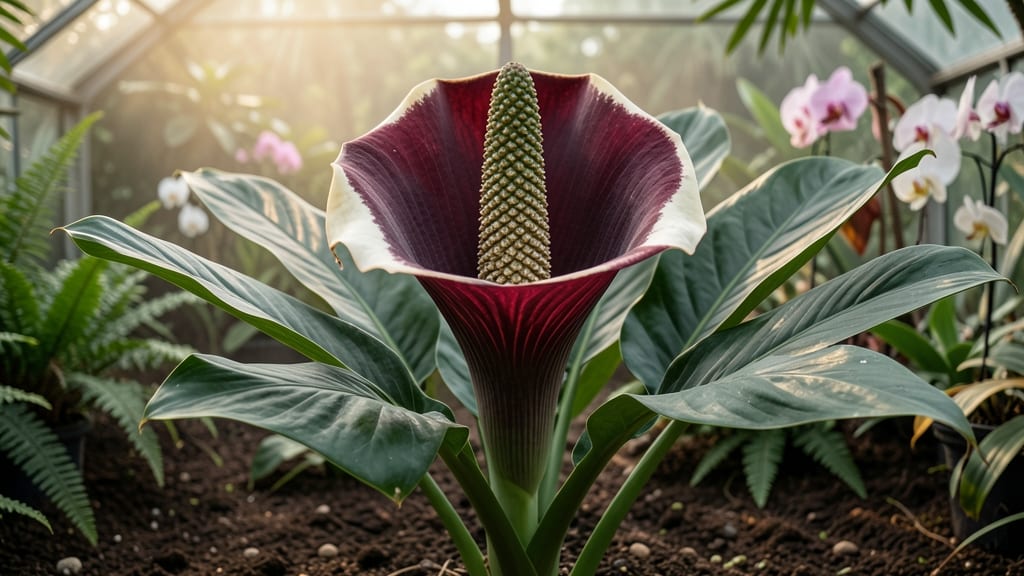
💥 Quick Answer Botanical gardens often feature smelly plants like the Stinking Corpse Lily , Skunk Cabbage , and Rafflesia arnoldii , whose rotting-meat and sulfuric odors attract flies and beetles as pollinators in…
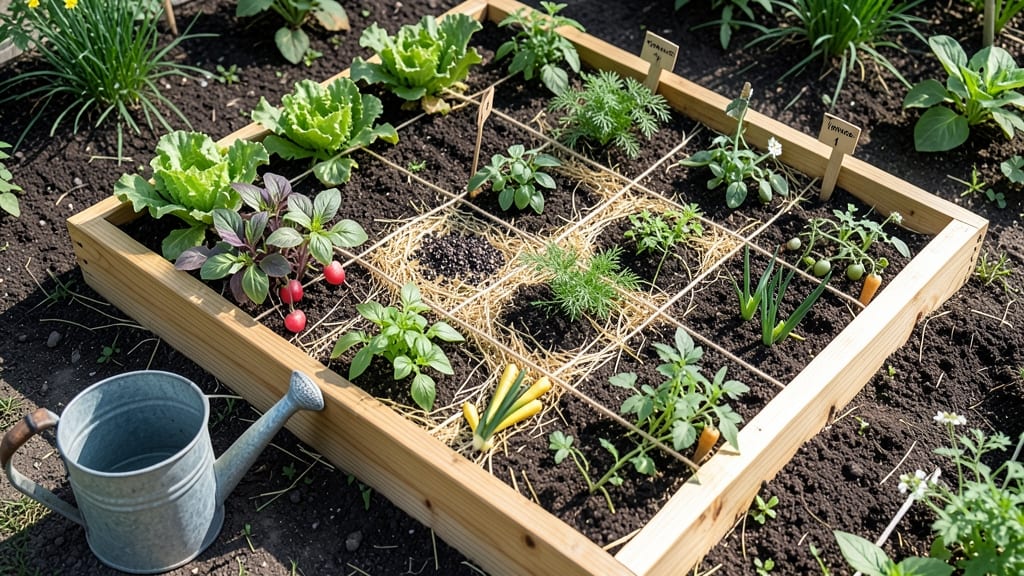
💥 Quick Answer Square foot gardening plans maximize small spaces by dividing beds into 1-foot squares, using precise plant spacing rules to boost yield without overcrowding. Begin with a 4x4-foot raised bed and group…
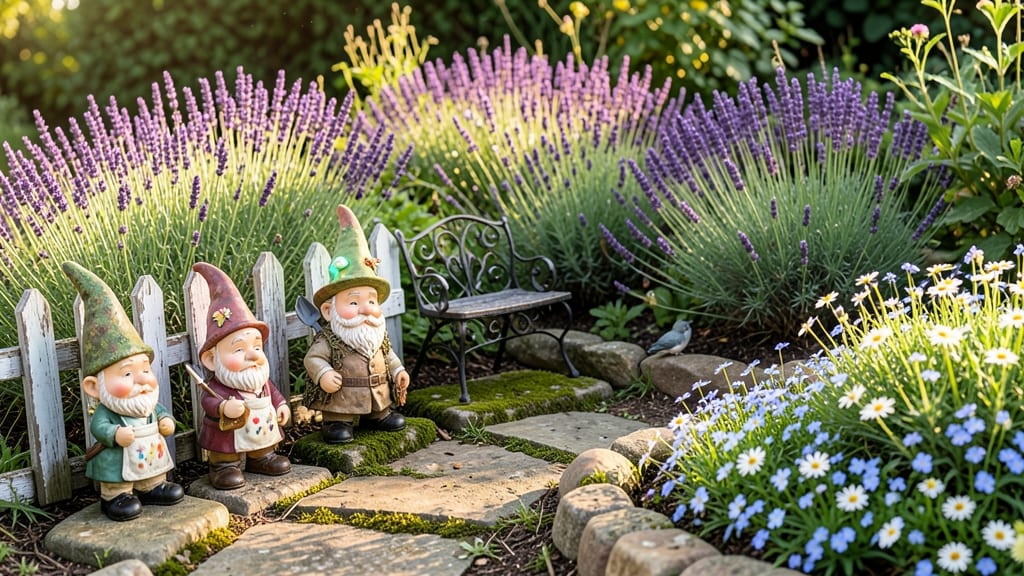
💥 Quick Answer Unique garden gnomes transform your outdoor space by aligning with specific themes—whether it's a mystical fairy-tale setting, a vintage farmhouse vibe, or a sleek modern look. Combine different materials…
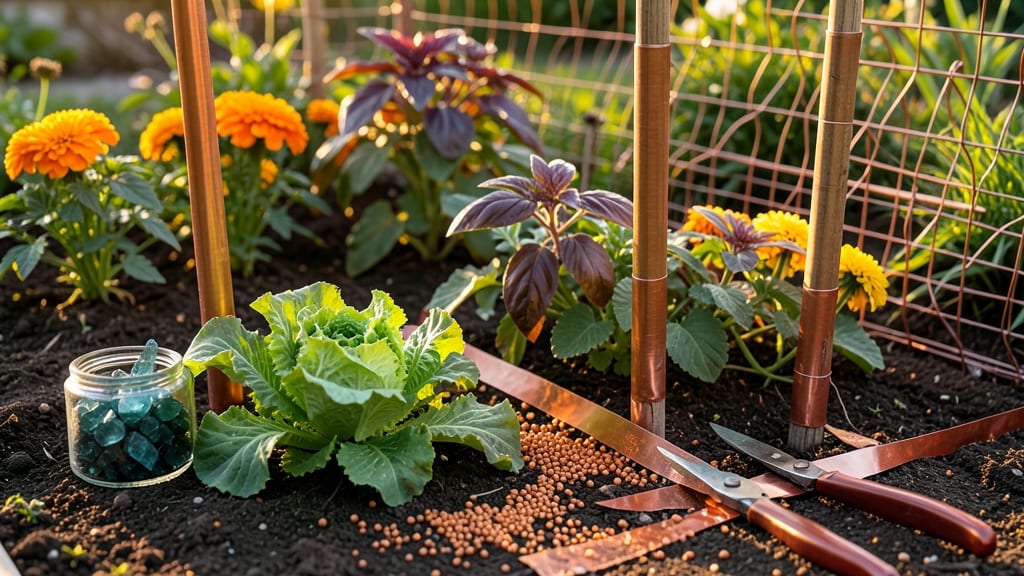
💥 Quick Answer Using copper in the garden naturally deters pests, prevents fungal diseases, and enhances soil health through compounds like copper sulfate or copper-based sprays. Apply it as soil amendments, foliar…
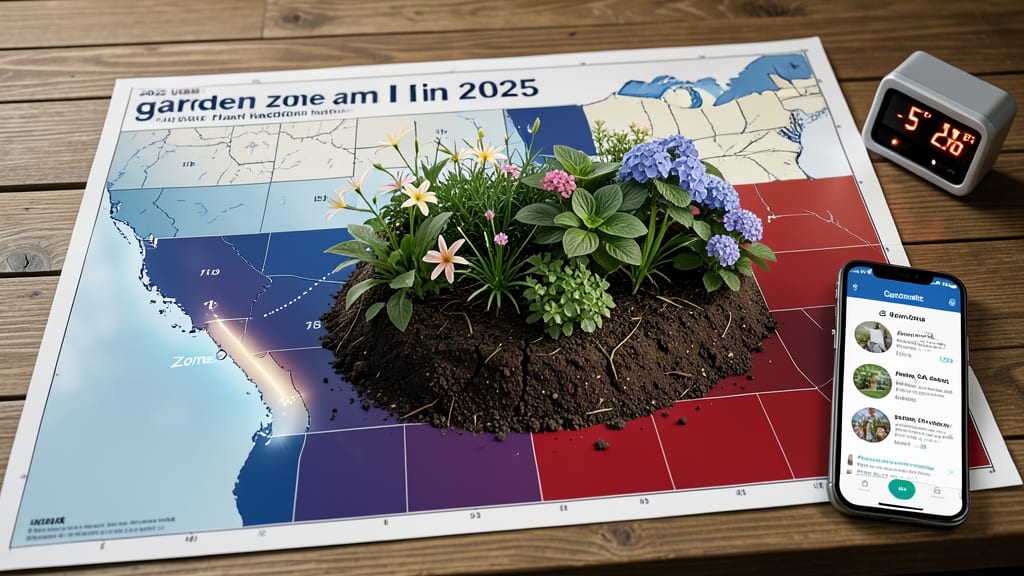
💥 Quick Answer To find your garden zone in 2025, use the updated USDA Plant Hardiness Zone Map by entering your ZIP code or address on their official site. This version reflects 2025 climate projections, showing 1-3…