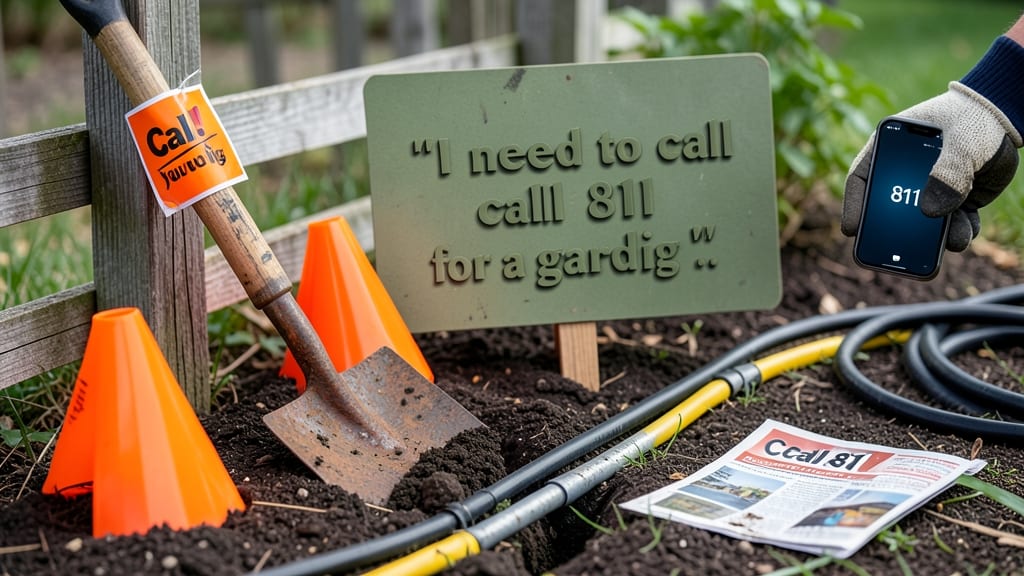
💥 Quick Answer Yes, you need to call 811 before digging in a garden to locate underground utility lines, as striking gas, electric, or water pipes can cause serious injury or property damage. This free service is…
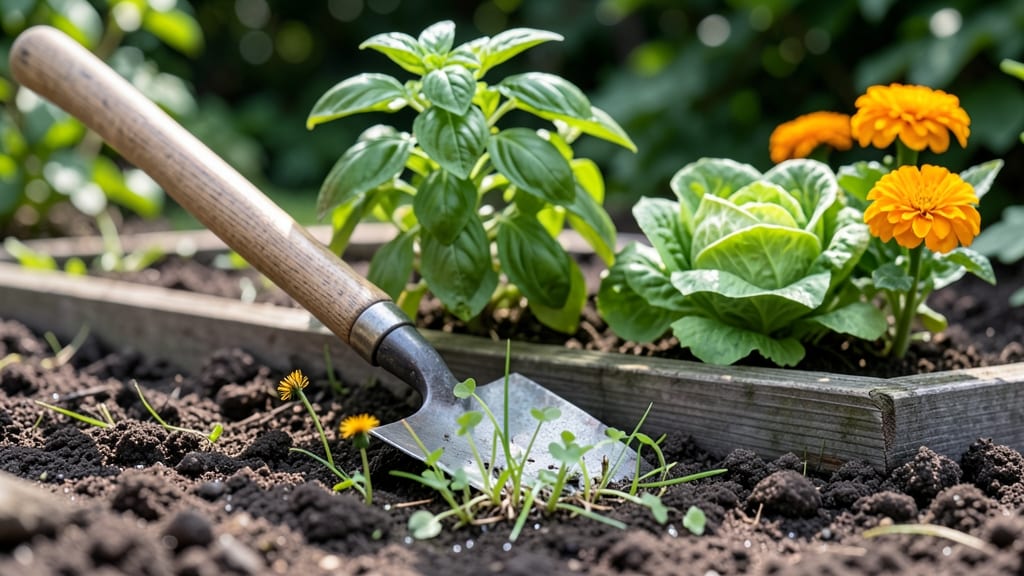
💥 Quick Answer Garden hoes have versatile uses beyond weeding—they break up compacted soil, uproot weeds from the root, create precise planting furrows, and smooth garden beds while enhancing aeration and drainage. A…
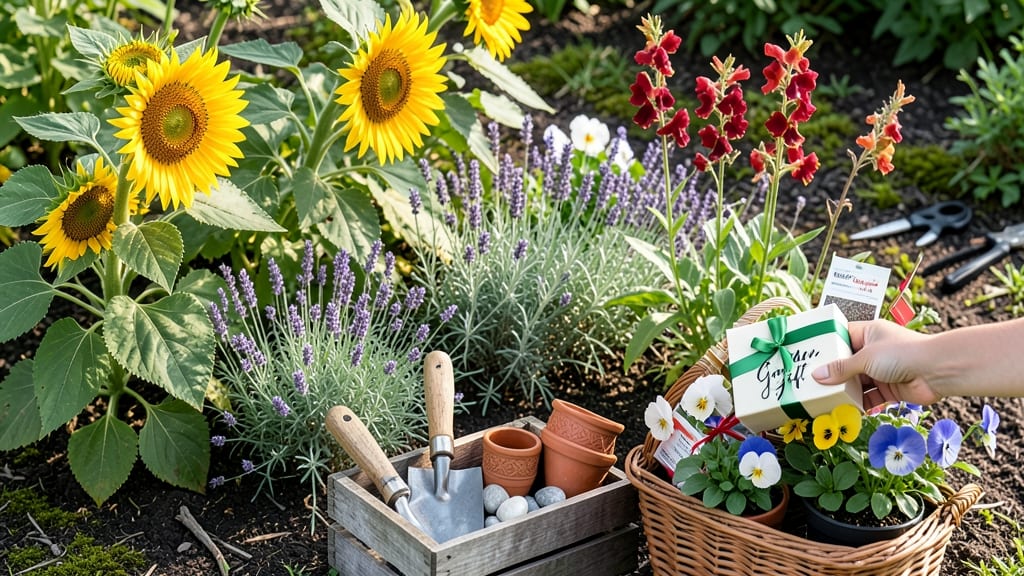
💥 Quick Answer Garden-themed gifts are perfect for celebrating plant lovers and outdoor enthusiasts, offering creative options like engraved plant markers, rare heirloom seed varieties, or artisanal planters that suit…
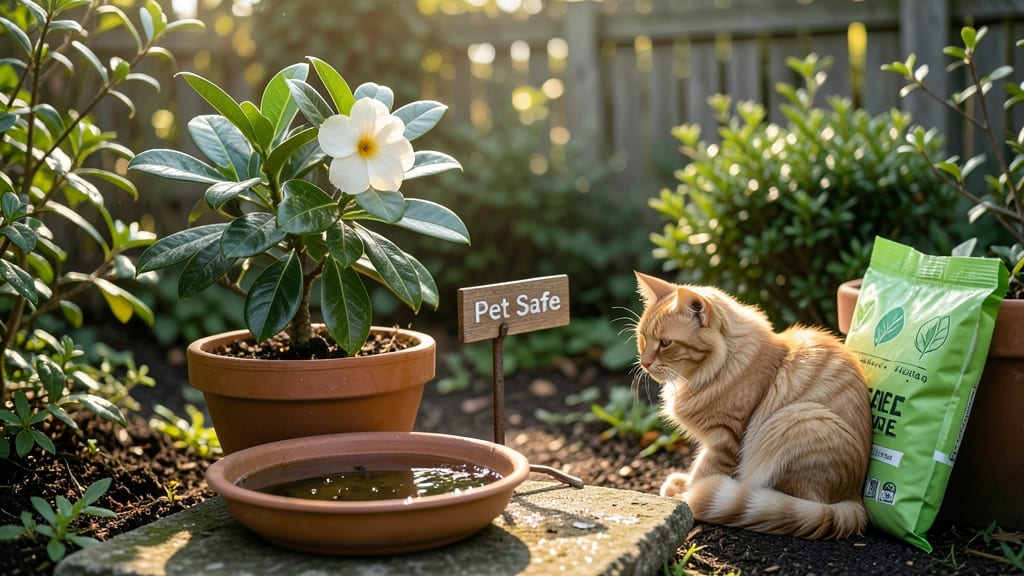
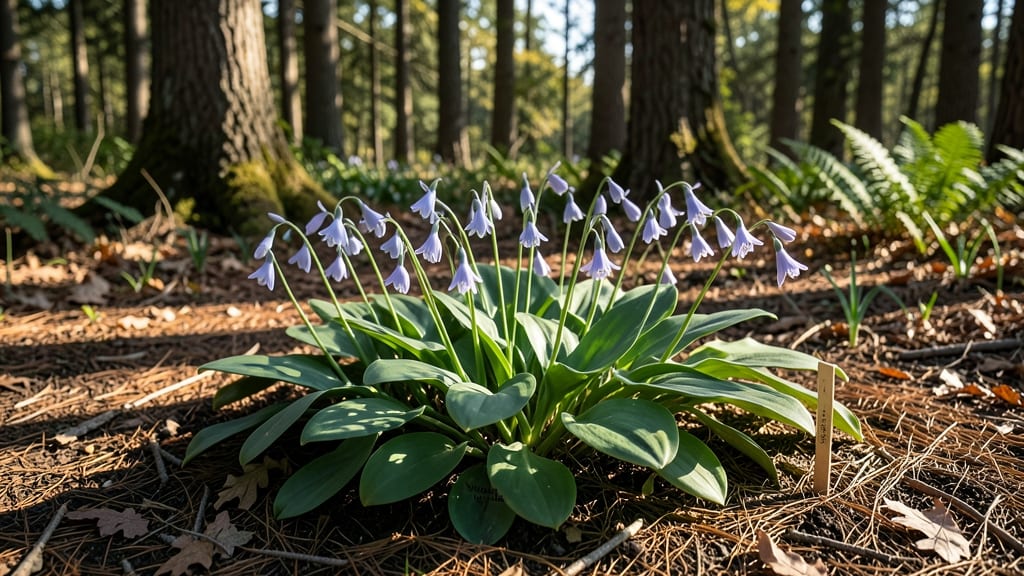
💥 Quick Answer Gardenia plants are not pet-safe —both the leaves, flowers, and seeds contain toxic compounds like saponins and cyanogenic glycosides that can cause vomiting, diarrhea, or lethargy in pets if ingested…
💥 Quick Answer Gardening in Virginia thrives across USDA zones 4-8, with frost-free dates spanning mid-April in the south to late May in northern regions. Plant cool-season crops like lettuce in early spring and…
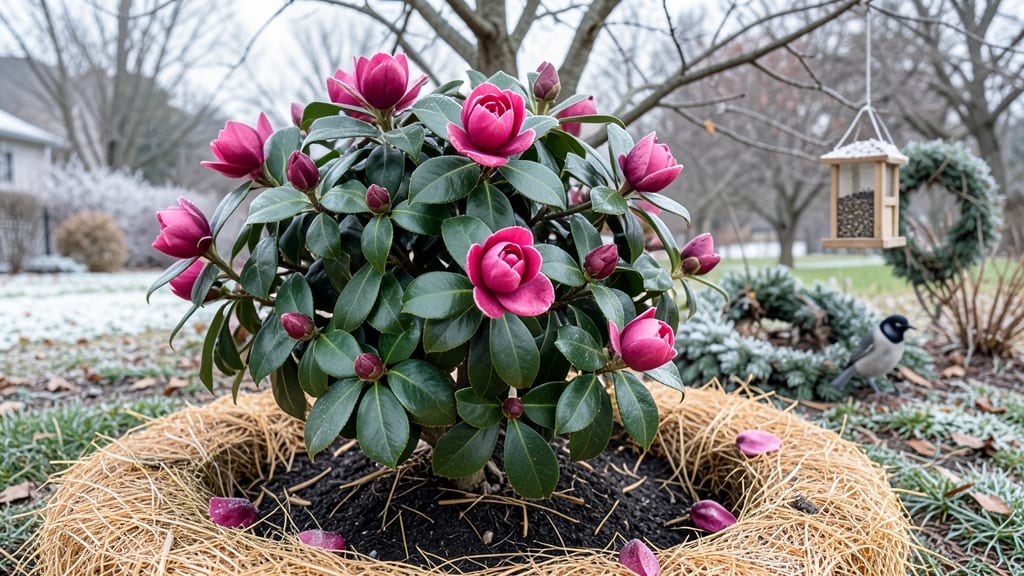
💥 Quick Answer A Georgia winter garden succeeds by planting frost-tolerant vegetables like kale, spinach, and broccoli after the first frost (late October–November in Zones 7–8). Protect crops with row covers, plant new…
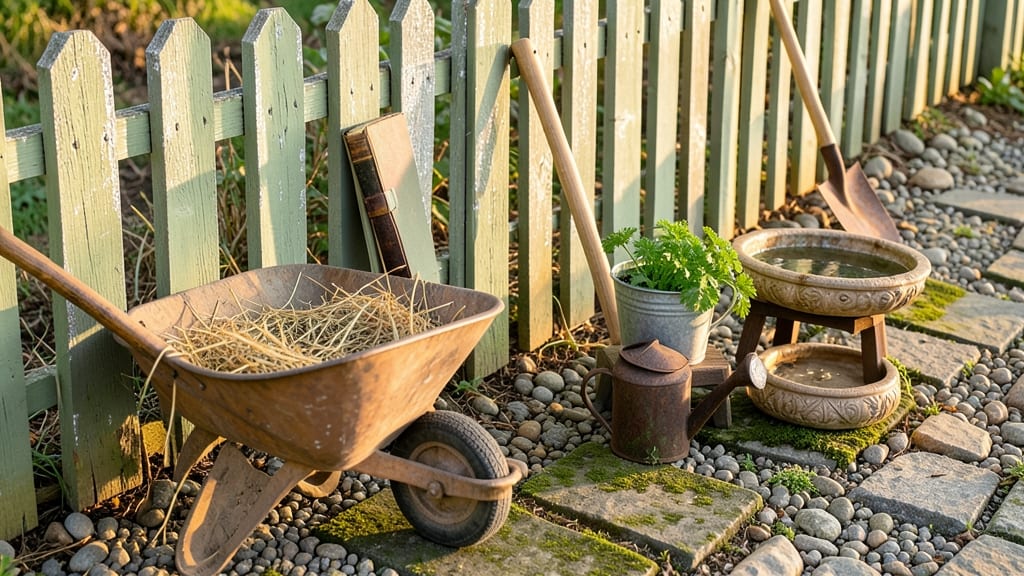
💥 Quick Answer A grandma's garden picture captures the essence of timeless charm by combining fresh garden elements with nostalgic framing techniques, such as rustic frames, pressed botanicals, or handwritten notes. The…
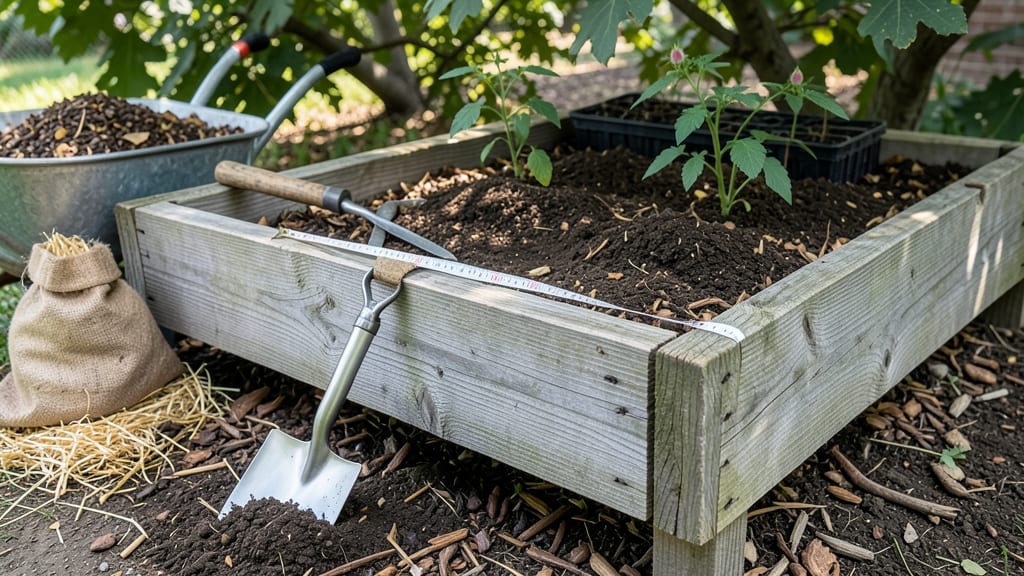
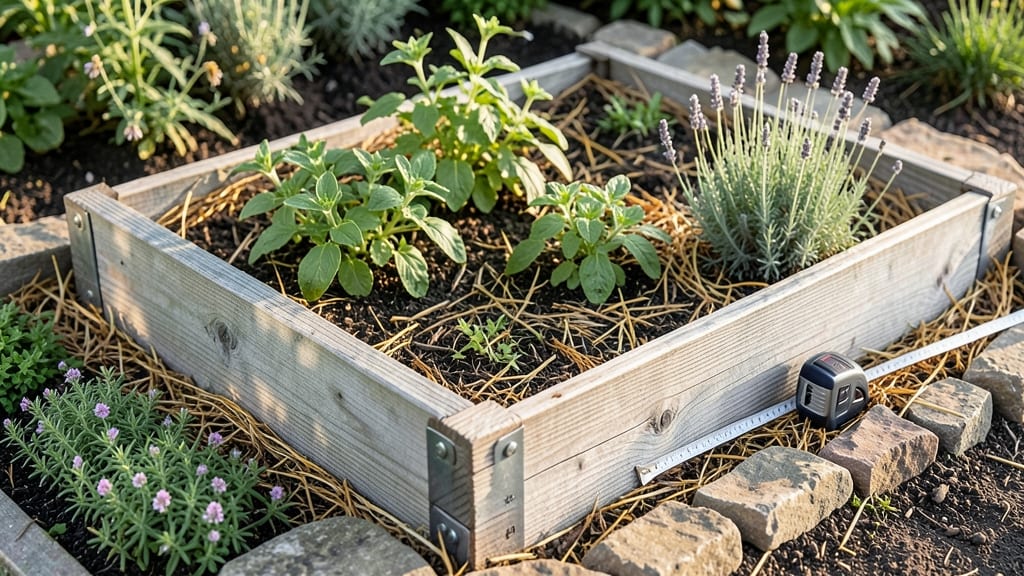
💥 Quick Answer To determine how much soil you need for a raised garden bed, multiply its length, width, and depth (in feet), then convert cubic feet to cubic yards (1 cubic yard = 27 cubic feet). For example, a 4’x8…
💥 Quick Answer The ideal garden bed height is between 6 to 12 inches to optimize drainage, root growth, and soil stability while preventing waterlogging and erosion. This height range promotes healthier plants and…