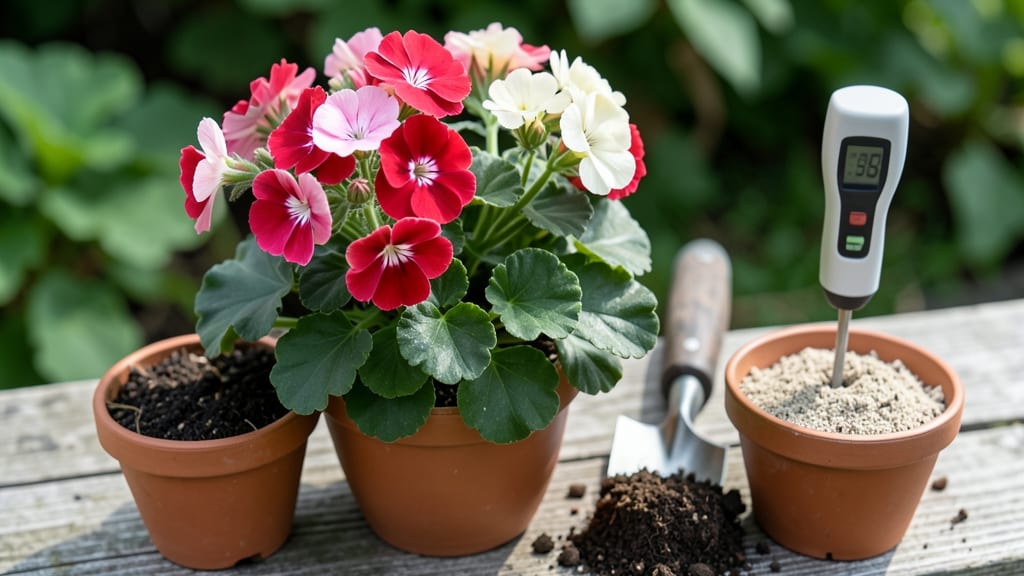
💥 Quick Answer You can't reliably use garden soil as potting soil because it compacts easily, drains poorly, and may contain pests or diseases. Instead, mix it with perlite, sand, or compost to improve aeration and…
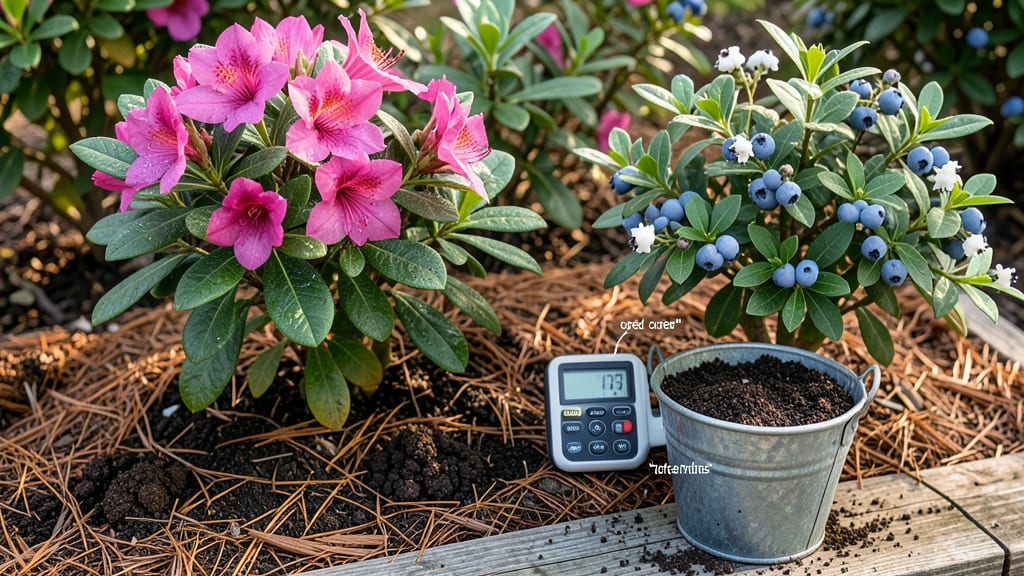
💥 Quick Answer Using coffee grinds in your garden enhances soil fertility, deters pests like slugs and ants, and supports acid-loving plants such as blueberries and azaleas—just use them sparingly to prevent…
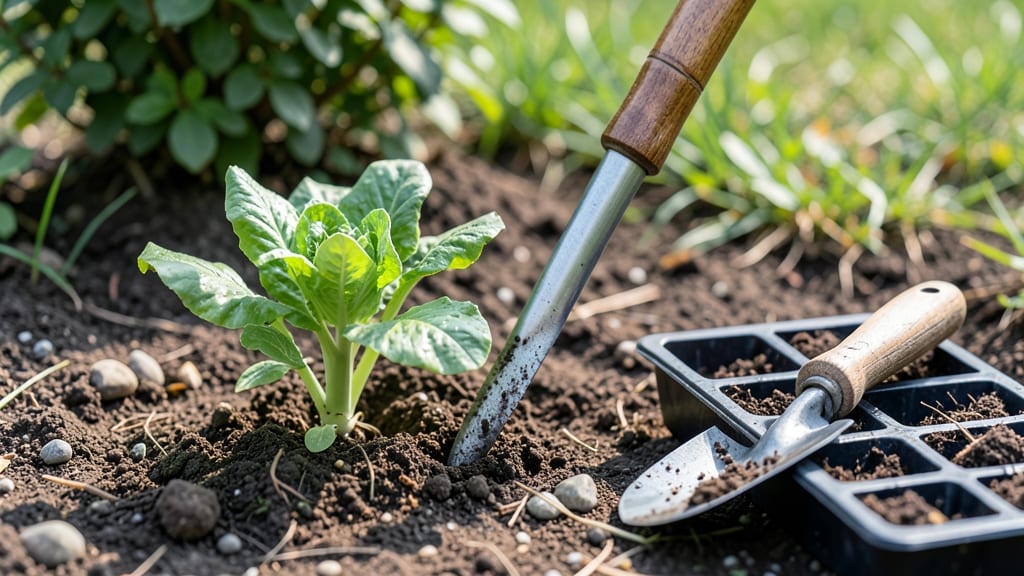
💥 Quick Answer A dibber garden tool is essential for creating precise planting holes for seeds, bulbs, and small plants, ensuring proper depth and spacing while protecting delicate roots and surrounding soil structure…
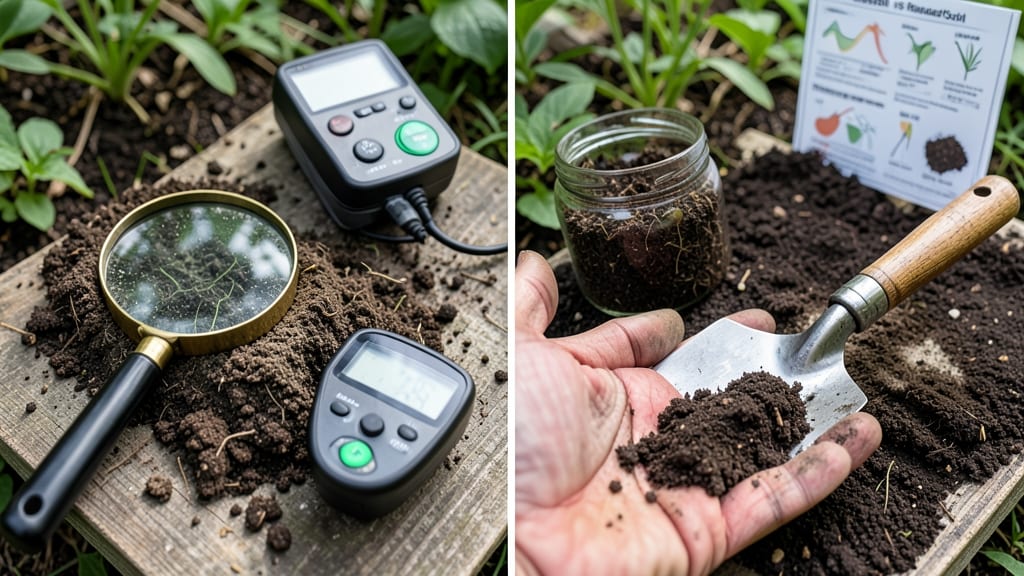
💥 Quick Answer Garden soil does go bad over time, degrading its nutrient content and structure after 1-2 years, particularly when exposed to harsh weather or poor storage conditions. Adding compost or organic materials…
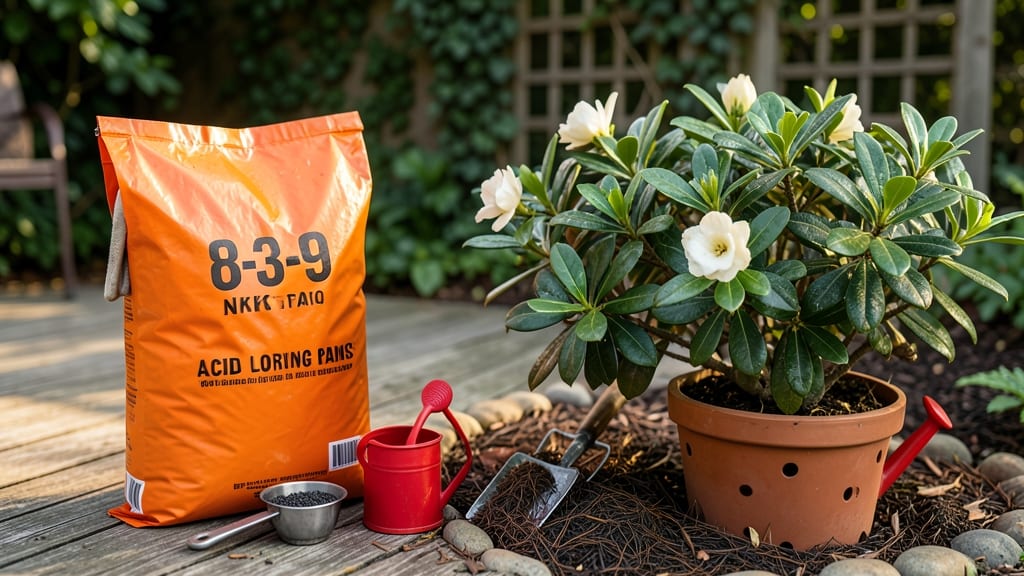
A gardenia tree thrives on acidic fertilizer to fuel its fragrant blooms and lush foliage 🌸—the right mix makes all the difference between a few flowers and a showstopping display. Struggling to keep your gardenia tree…
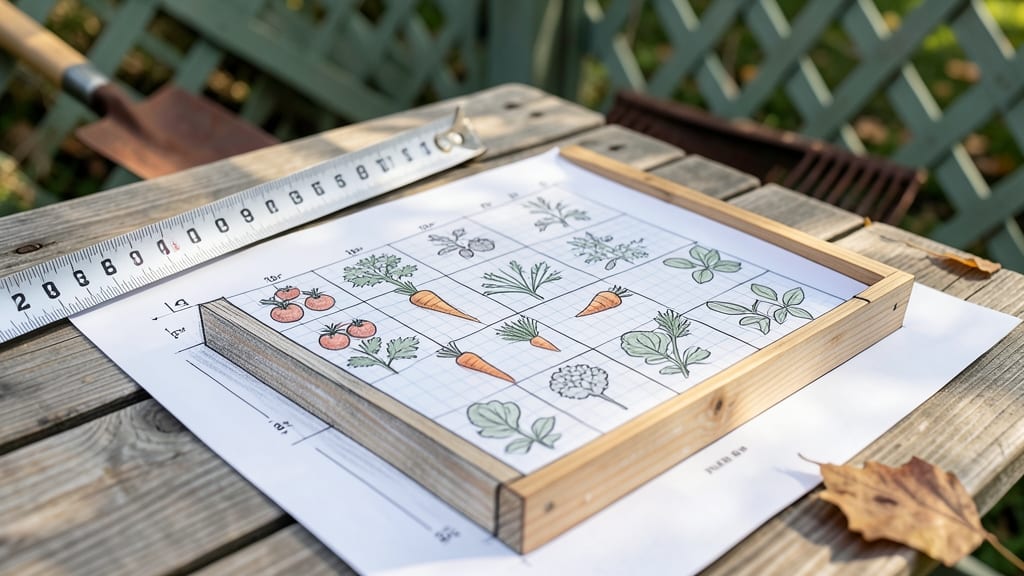
💥 Quick Answer Determining garden bed measurements starts with your plant types, as proper sizing ensures optimal growth and yield. Standard raised beds should be 4 feet wide for easy access and 8–12 feet long to…
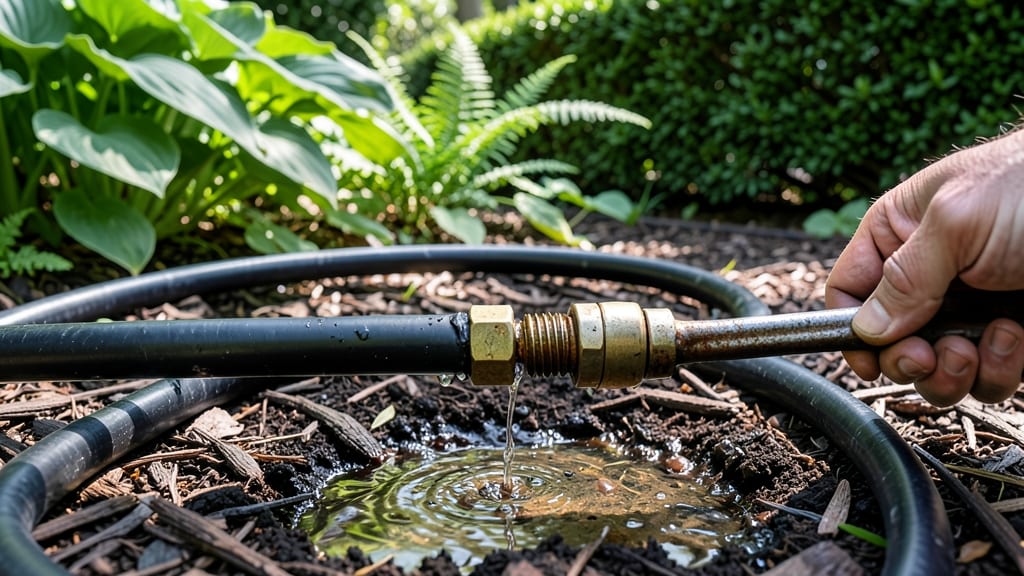
💥 Quick Answer A garden hose leaking at the swivel is almost always caused by a degraded rubber seal or loose connection. Tighten the fitting first, then use hose thread sealant or swap out the rubber washer—no need for…
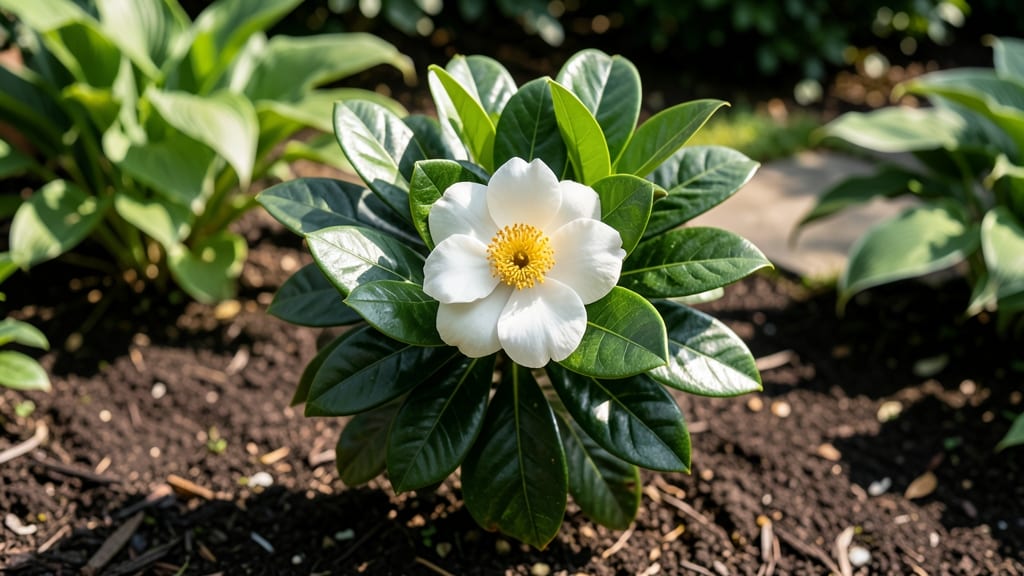
A gardenia plant thrives in partial shade with morning sun and afternoon protection — the key to those fragrant, glossy blooms you’ve been dreaming of. If you’ve ever struggled to keep your gardenia blooming despite your…
💥 Quick Answer Gardening and depression are connected through science-backed mental health benefits, like lowering cortisol (the stress hormone) while increasing serotonin and dopamine. Even small activities—like…