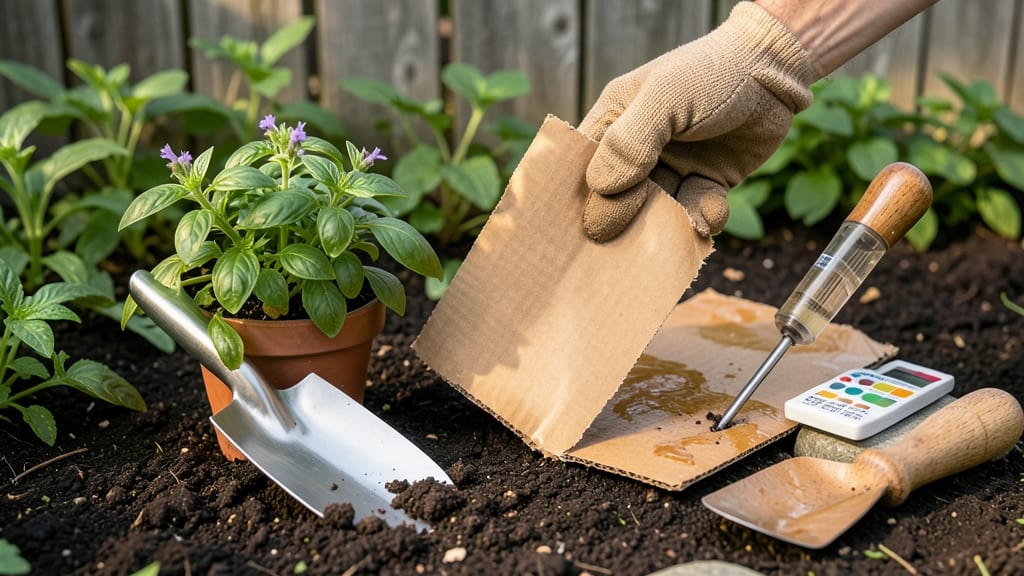
💥 Quick Answer Cardboard is generally not toxic in the garden when used as mulch or weed barrier, but its breakdown releases ink chemicals and adhesives that may harm soil microbes and plants over time. Plain, uncoated…
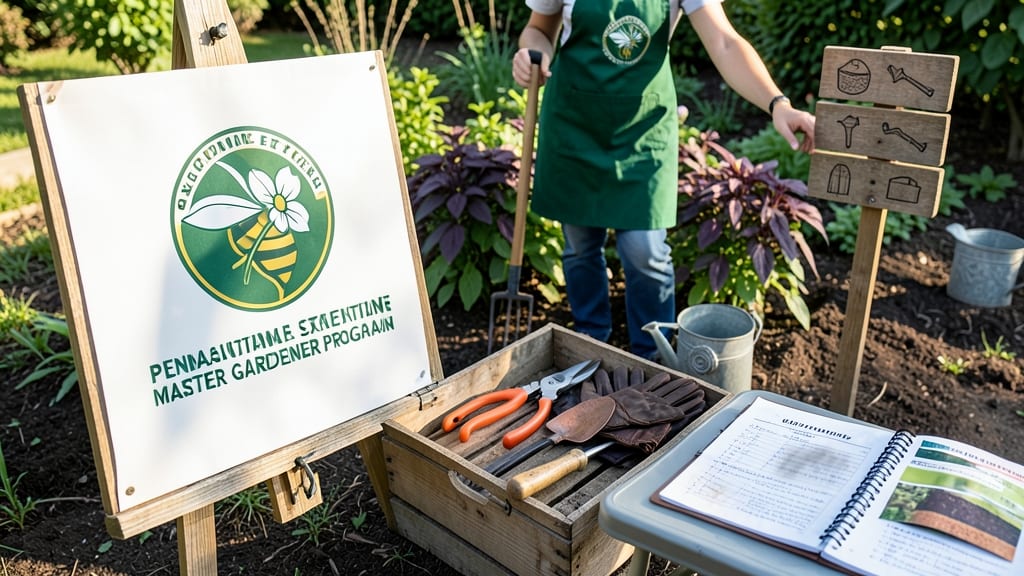
💥 Quick Answer The Pennsylvania Master Gardener Program trains volunteers to share horticultural expertise through Penn State Extension, covering 40+ hours of coursework, a final exam, and 50 hours of annual community…
💥 Quick Answer Millennials and gardening have surged in popularity as Gen Y embraces urban farming, container gardening, and sustainable growing to save money, reduce waste, and reconnect with nature after decades of…
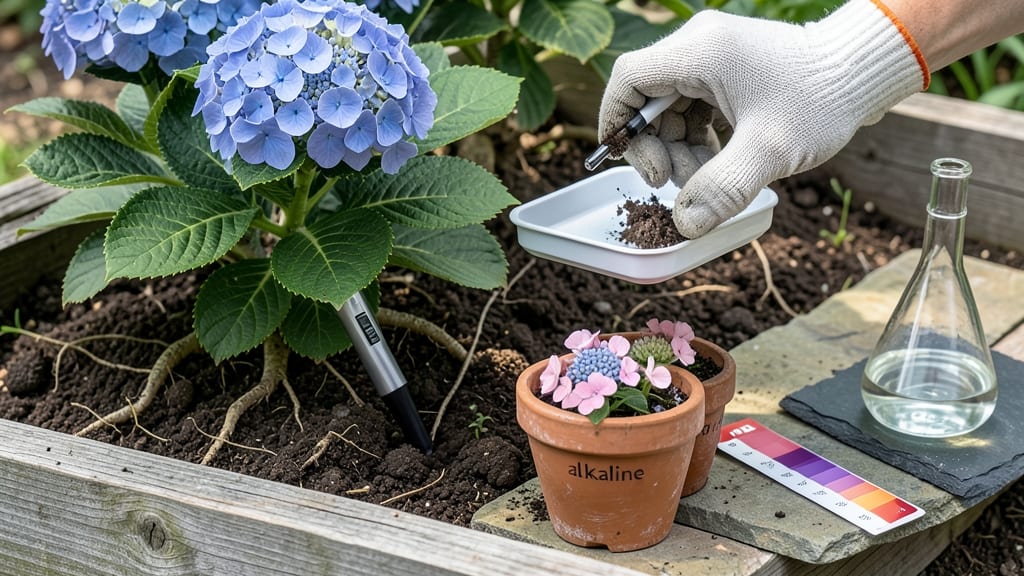
💥 Quick Answer Soil pH in gardening determines whether your plants will thrive or struggle, as it controls how acidic or alkaline your soil is on a scale from 0 to 14. Most garden plants prefer a neutral to slightly…
💥 Quick Answer Understanding victory gardens meaning reveals their dual purpose: they began as wartime food production initiatives during World War I and II to combat shortages and strengthen national morale, while…
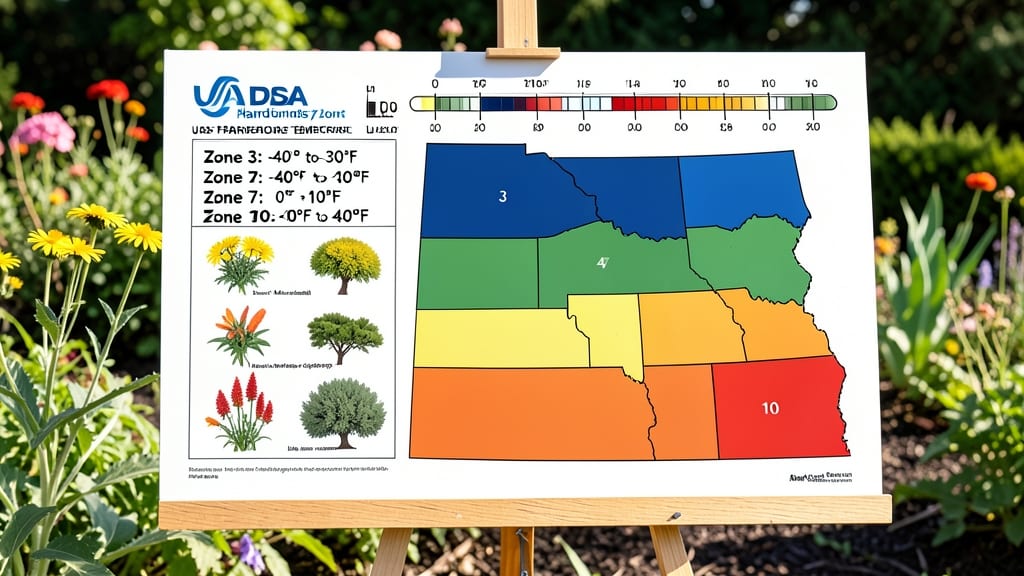
💥 Quick Answer What garden zone is Utah in? Utah covers USDA Plant Hardiness Zones 4 through 9, with most areas falling between Zones 5 and 7, while southern regions like St. George reach Zone 8 or 9. These variations…
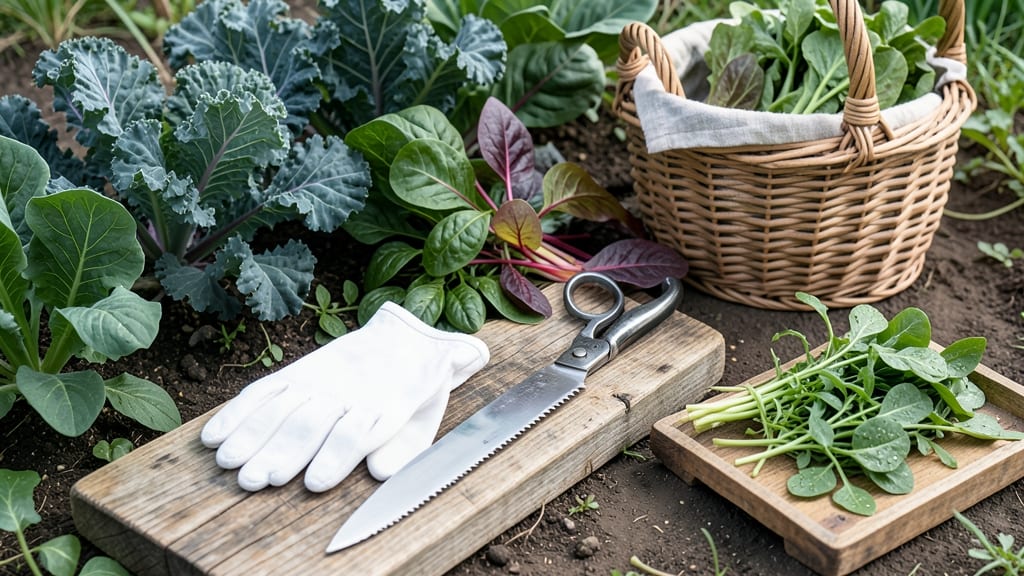
💥 Quick Answer You can freeze leafy greens like spinach, kale, Swiss chard, and collard greens straight from the garden by washing, drying thoroughly, blanching for 1-2 minutes, and storing in airtight containers or…
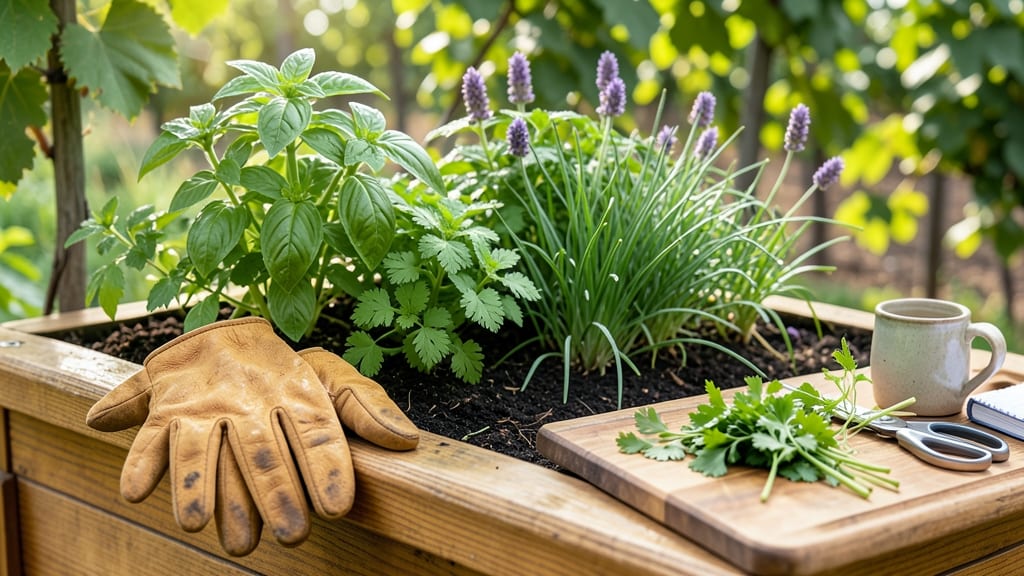
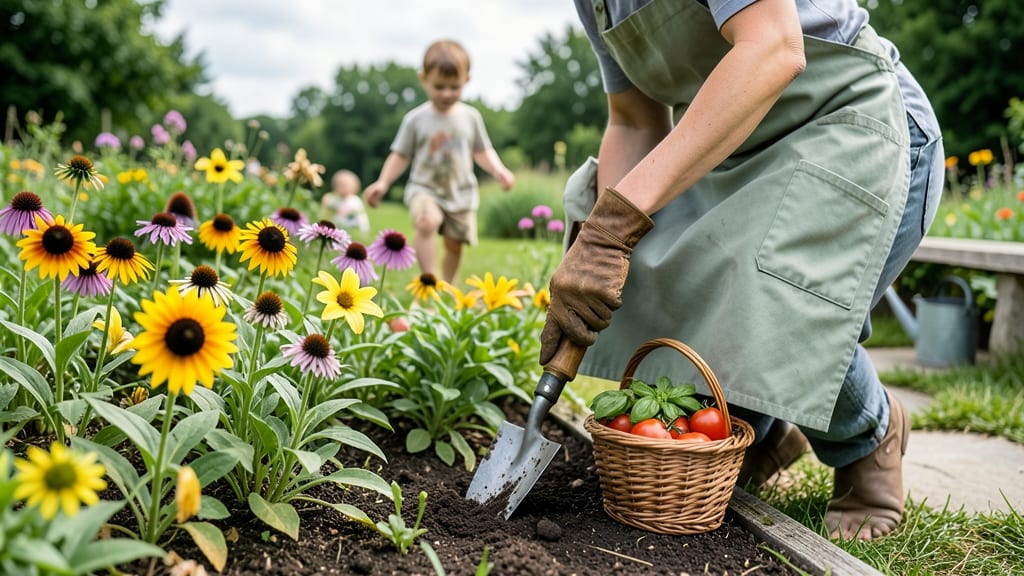
💥 Quick Answer A garden mom is someone who nurtures plants with deep passion and expertise, often mentoring others to cultivate thriving gardens through hands-on care and community support. A garden mom goes beyond…
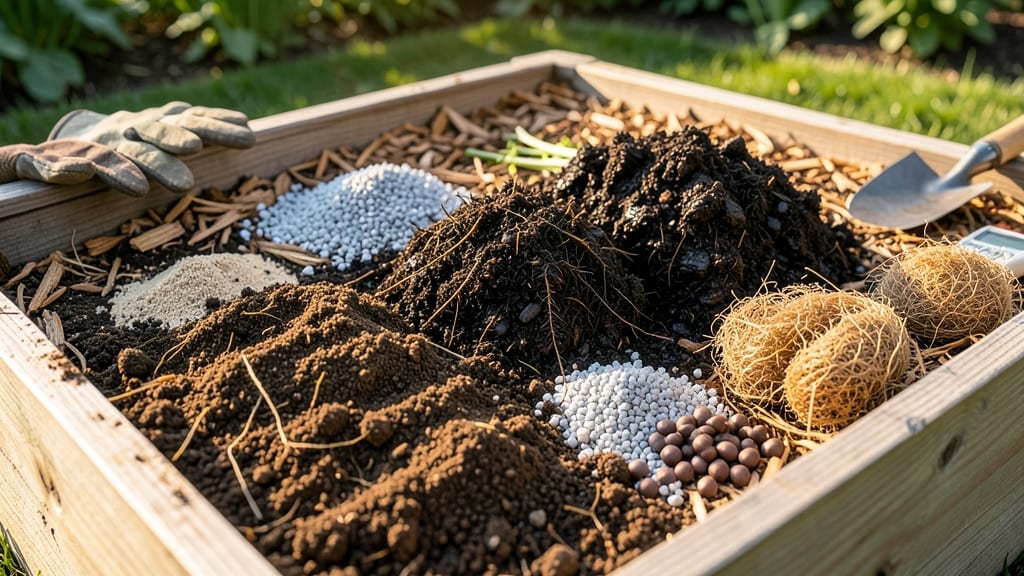
💥 Quick Answer For garden soil, use a mix of compost, aged manure, coconut coir, and perlite for optimal drainage and nutrient balance. Test soil pH first to determine if amendments like peat moss or lime are needed for…