
Planting
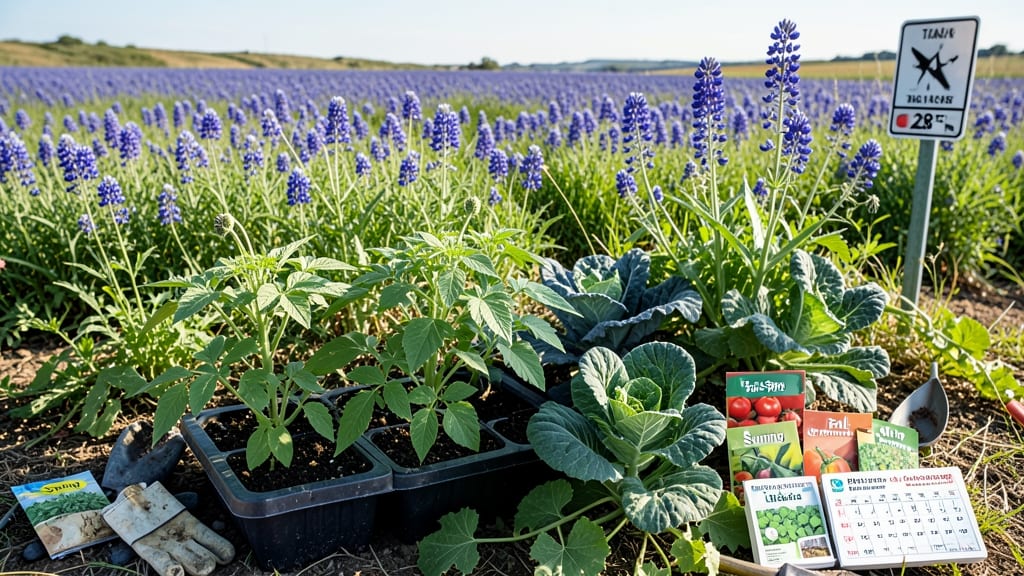
To plant a garden in Texas, timing is everything—cool-season crops like broccoli and spinach need to hit the soil 4-6 weeks before your last frost, while heat-lovers like okra and black-eyed peas wait until 2-3 weeks after.
Texas gardeners know timing is everything—plant too early and risk frost damage, too late and miss peak harvests. With extreme heat and unpredictable freezes, knowing the exact frost-free deadlines by plant type can mean the difference between a thriving garden and a failed season.
North Texas (think Dallas) has a February 15 average last frost, while South Texas (Houston) can plant as early as January 15. But don’t let those dates fool you—soil temps and rainfall matter just as much.
A late freeze in March or a scorching April can turn your careful planning into a lesson in humility.
Below, I break down the best planting windows for every region, from cool-season veggies to summer heat-tolerant plants, plus pro tips for beating Texas’s unpredictable weather. Whether you’re a first-time gardener or a seasoned pro, these deadlines will help you grow a garden that thrives—not just survives.
Texas frost-free deadlines by region: when to plant cool-season vegetables
Texas gardeners face a unique challenge: unpredictable freezes that can wipe out tender plants overnight. Cool-season vegetables like broccoli, spinach, and kale thrive in milder temperatures but need precise timing to avoid frost damage. The key is knowing your region-specific frost dates and adjusting planting schedules accordingly.
In North Texas, for example, the last spring frost often hits around March 15, while South Texas may see frost as late as January 20. These differences mean your planting window can vary by 6-8 weeks depending on where you live.
For fall planting, the first frost dates are equally critical. Dallas/Fort Worth typically sees frost by December 1, while Austin holds off until November 15. This means you might have 4-6 weeks of growing time in fall for cool-season crops.
South Texas gardeners get an even longer window, with frost often arriving after November 30. Understanding these regional differences helps you maximize your harvest before winter sets in.
Here’s a quick reference for Texas frost-free deadlines by region, including ideal planting windows for popular cool-season vegetables:
If you’re planting cool-season crops in spring, aim to sow seeds 4-6 weeks before your last frost date. For example, in Dallas, that means starting seeds around February 1 for a March 15 harvest.
In Austin, you can push it slightly later, but don’t wait too long—broccoli and cabbage bolt (flower prematurely) in heat. For fall planting, sow seeds 8-10 weeks before your first frost to ensure mature harvests before winter sets in.
One of my favorite cool-season crops for Texas gardens is kale. It thrives in both spring and fall, tolerates light frosts, and becomes sweeter after a freeze. In Houston, I plant kale in late July for a fall harvest and again in January for spring.
The secret? Mulching with straw to retain moisture and protect roots from temperature swings. Similarly, spinach and lettuce grow well in fall but need shade cloth in summer to prevent bolting.
Don’t overlook microclimates in your area. Urban heat islands in cities like Dallas can delay frost by 1-2 weeks, while rural areas may see frost earlier.
If you’re unsure about your local frost dates, check the National Weather Service or use a frost calendar from your local Texas A&M AgriLife Extension. These resources provide hyper-local data that can save your garden from unexpected freezes.
For slow-growing crops like broccoli or Brussels sprouts, start seeds indoors 6-8 weeks before transplanting. Harden off seedlings for 7-10 days before moving them to the garden. In North Texas, this means starting seeds indoors by January 15 for a spring transplant.
In South Texas, you can direct-sow many cool-season crops as early as December 1, thanks to milder winters. Always use row covers if frost is forecasted, as they can protect young plants down to 25°F.
Pro tip: Succession planting is your best friend in Texas. Instead of sowing all your lettuce or radishes at once, plant small batches every 2 weeks to ensure a continuous harvest. This works especially well for fast-growing crops like radishes (30 days) or baby spinach (40 days).
In my Austin garden, I plant radishes every 2 weeks from September to November to enjoy fresh harvests until frost.
Finally, remember that soil temperature matters just as much as air temperature. Cool-season crops prefer soil temps between 45°F and 75°F. Use a
Best heat-tolerant plants for Texas gardens: summer planting schedule
Texas summers can be brutal—think 100°F+ heat and drought-like conditions that wilt even the hardiest plants. But don’t let that stop you! The key to a thriving summer garden is choosing heat-tolerant varieties and planting them at the perfect time.
Unlike cool-season crops, these plants thrive in heat and can even improve flavor when grown in warm weather.
For Texas gardeners, the ideal summer planting window is March through May, with some crops like okra and sweet potatoes handling even later starts. The secret? Mulching, deep watering, and shade cloth for seedlings.
Let’s dive into the top heat-lovers and their exact planting schedules to beat the Texas heat.
- Okra: Plant March–May (direct sow after last frost). Thrives in 90°F+ heat; harvest pods when 3–5 inches long.
- Sweet Potatoes: Start slips April–June (slips = young shoots). Needs full sun and well-draining soil; harvest before first frost.
- Black-Eyed Peas: Sow March–April (or September–October for fall crop). Drought-tolerant once established; fix nitrogen in soil.
- Peppers (Jalapeño, Serrano): Transplant February–May. More heat = hotter peppers! Mulch heavily to retain moisture.
- Eggplant: Plant April–June. Loves hot, humid conditions; stake plants to support heavy fruit.
- Sorghum: Sow April–July. Drought-resistant grain; great for bird feeders or human consumption.
- Pro Tip: Use shade cloth (30–50%) for seedlings to prevent bolting. Water deeply 2–3x/week at soil level.
Don’t overlook mulching—a 3-inch layer of straw or wood chips keeps roots cool and moist, while also suppressing weeds. For container gardens, self-watering pots with moisture-retentive soil (like coconut coir) work wonders.
And if your garden gets scorching afternoon sun, consider drip irrigation to deliver water slowly and efficiently.
One of my biggest summer gardening mistakes was underestimating water stress. I learned the hard way that wilting leaves in the heat aren’t always a death sentence—often, they just need a deep drink. Try the "finger test": Stick your finger 2 inches into the soil.
If it’s dry, water thoroughly. If it’s damp, wait another day. This simple trick saves time and water while keeping plants happy.
For extended harvests, practice succession planting. For example, sow okra seeds every 2–3 weeks from March to July. This ensures a continuous supply of pods instead of one big harvest.
And if you’re in South Texas, you can even plant fall crops like collards in August–September—just time it so they mature before the first frost.
Remember, Texas heat is your ally for certain crops. Peppers get hotter, tomatoes sweeter, and okra more prolific when grown in warm weather. With the right planting schedule and care tips, your summer garden can be just as productive—as long as you respect the heat! ☀️🌱