I’ve always had a soft spot for the quiet magic of watching things grow—whether it’s a stubborn weed cracking through concrete or a tomato vine bursting with fruit. My grandmother’s garden in rural Ohio taught me that the best lessons in life come from getting your hands dirty and paying attention. Here, I share the tips, tricks, and occasional disasters that come with turning a patch of earth into something beautiful—because gardening isn’t just about green thumbs, it’s about green moments.
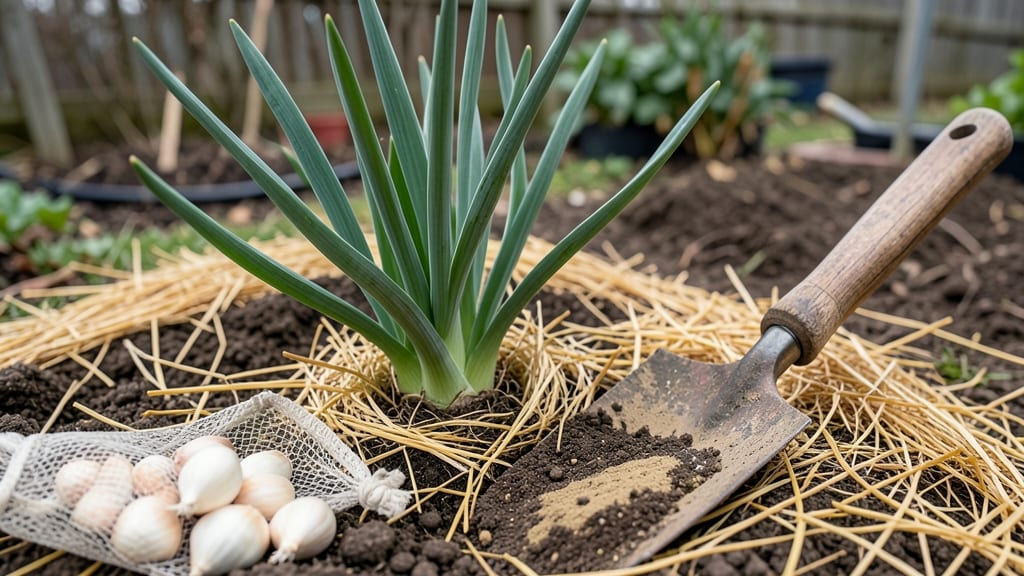
💥 Quick Answer To plant garlic in your garden, choose a location with well-draining soil, full sunlight exposure, and proper spacing—typically 4-6 inches deep with cloves spaced 4-6 inches apart, in fall for best yield…
💥 Quick Answer A White House gardener designs, cultivates, and preserves the iconic gardens of the presidential residence, managing spaces like the South Lawn, Rose Garden, and Kitchen Garden while ensuring floral…
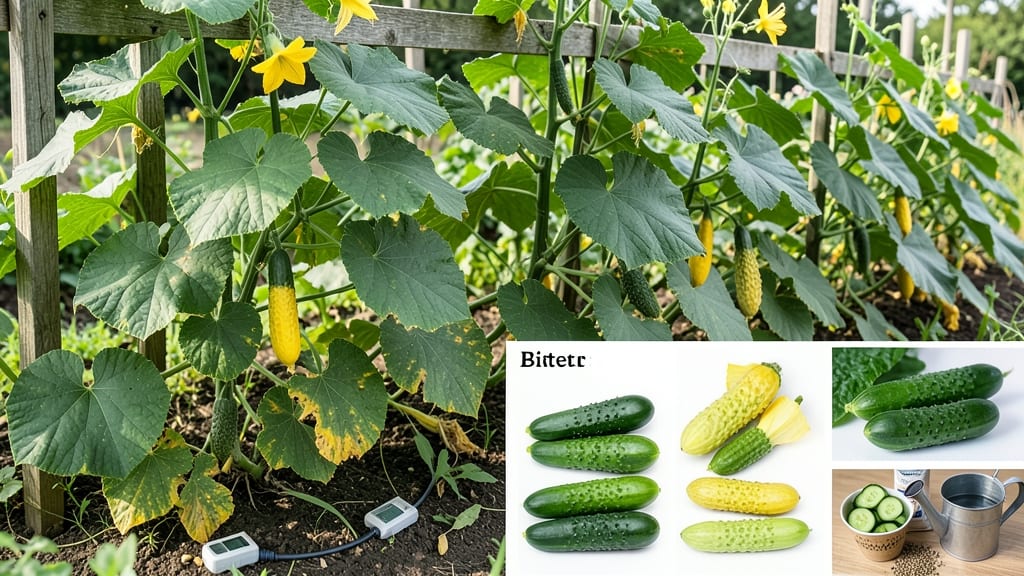
Your garden cucumbers 🥒 taste bitter because they’re overripe, stressed, or fighting environmental factors — and fixing it is easier than you think. Picture this: you’ve spent weeks nurturing your plants, only to bite…
💥 Quick Answer Gardening is important because it reduces stress, lowers cortisol levels, and boosts mood by connecting people with nature while fostering mindfulness and a sense of accomplishment through hands-on growth…
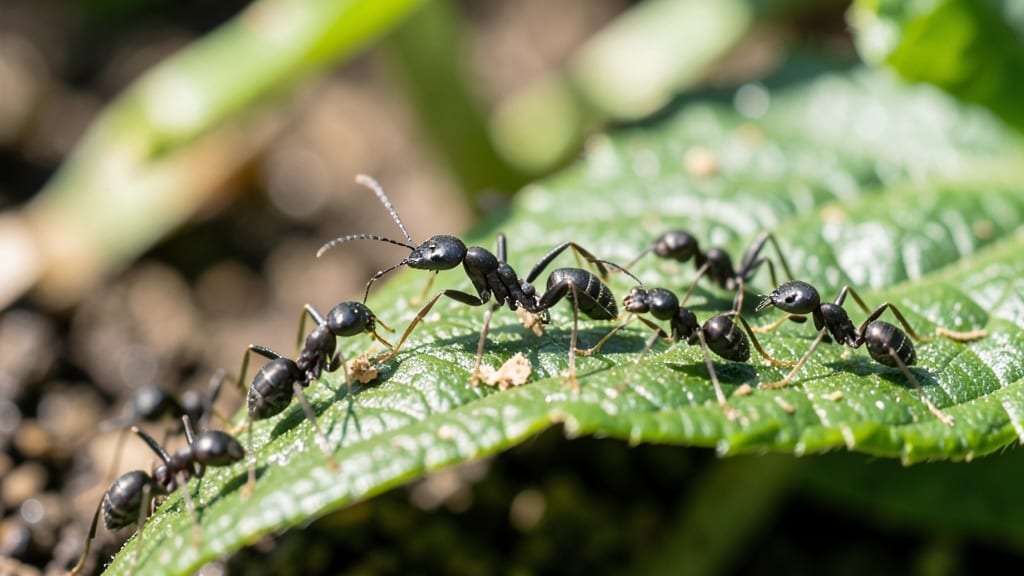
💥 Quick Answer Will ants hurt my garden? Most garden ants actually help by aerating soil and controlling pests like aphids, but large colonies can damage roots or disrupt beneficial insects. Observe their behavior to…
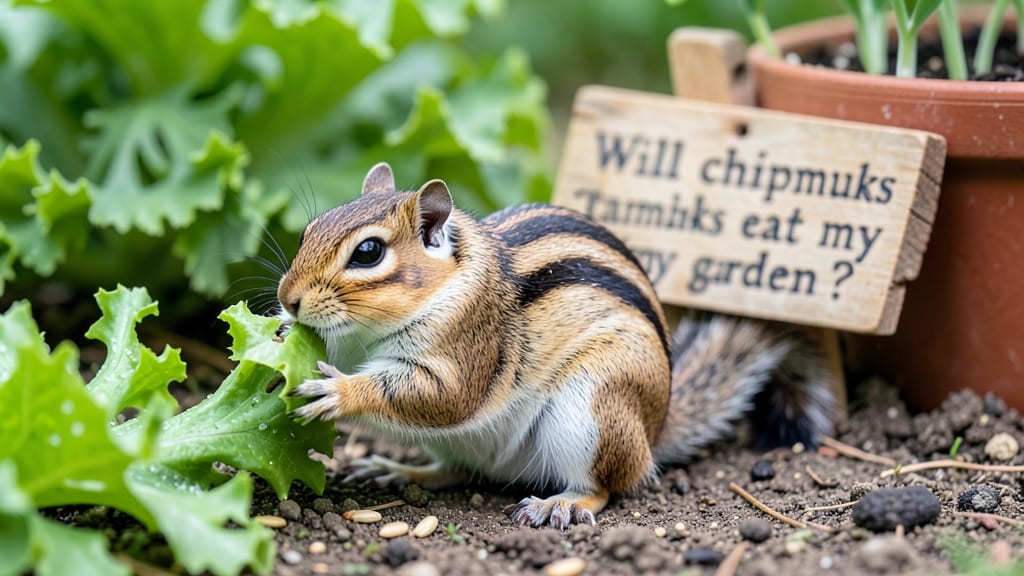
💥 Quick Answer Yes, chipmunks will eat your garden, targeting fruits, vegetables, seeds, and tender plants like lettuce, beans, and strawberries, often digging up bulbs and tubers. They prefer high-protein, sweet, or…
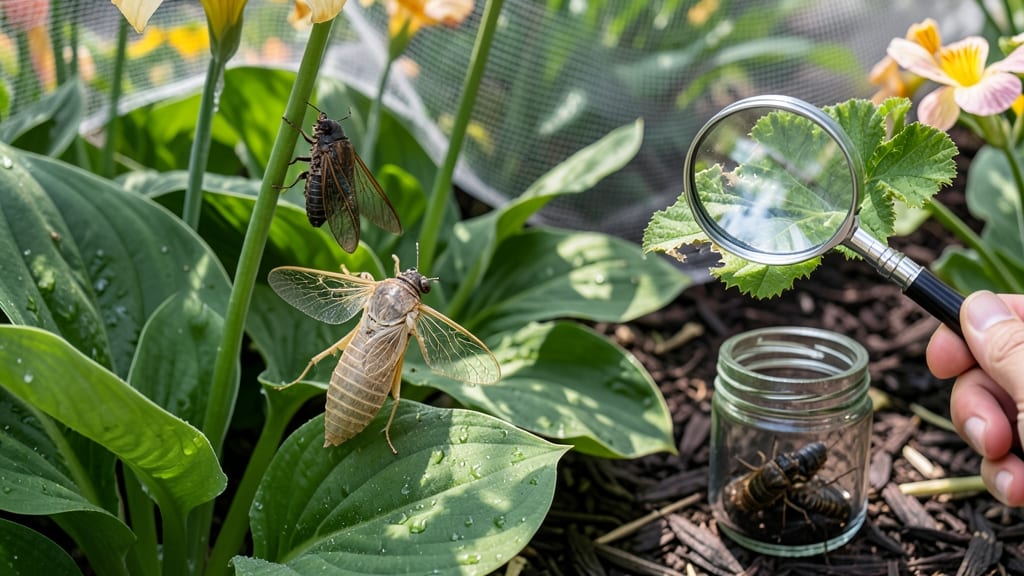
💥 Quick Answer Your garden won’t be eaten by cicadas—they target tree sap and roots, not vegetables or flowers. While their nymphs can damage young tree roots and adults may strip bark, they completely ignore most…
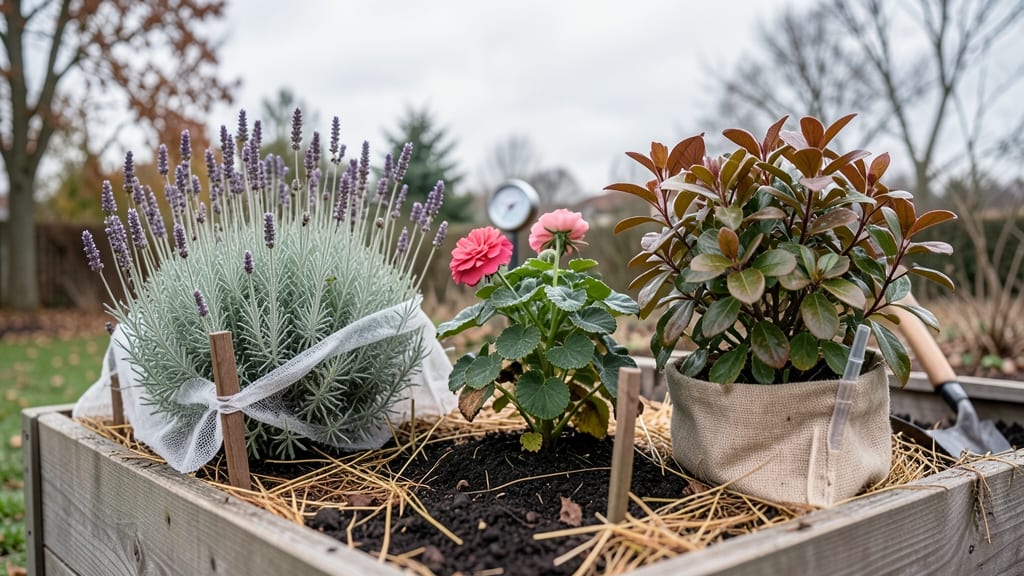
Winter protection for garden is the key to waking up to a thriving spring—without losing plants to frost or wind damage. Picture this: you’ve spent months nurturing your garden, only to have a sudden cold snap turn your…
💥 Quick Answer A Wisconsin gardening calendar for 2024 organizes planting deadlines by USDA hardiness zones (3-5) and crop type, including frost dates, warm-season vs cool-season timing, and key milestones like last…
💥 Quick Answer To become a Wisconsin Master Gardener, you'll complete a 20-hour training program through UW-Extension, pass an exam, and volunteer 50 hours annually. The curriculum focuses on horticulture, pest…