I’ve always had a soft spot for the quiet magic of watching things grow—whether it’s a stubborn weed cracking through concrete or a tomato vine bursting with fruit. My grandmother’s garden in rural Ohio taught me that the best lessons in life come from getting your hands dirty and paying attention. Here, I share the tips, tricks, and occasional disasters that come with turning a patch of earth into something beautiful—because gardening isn’t just about green thumbs, it’s about green moments.
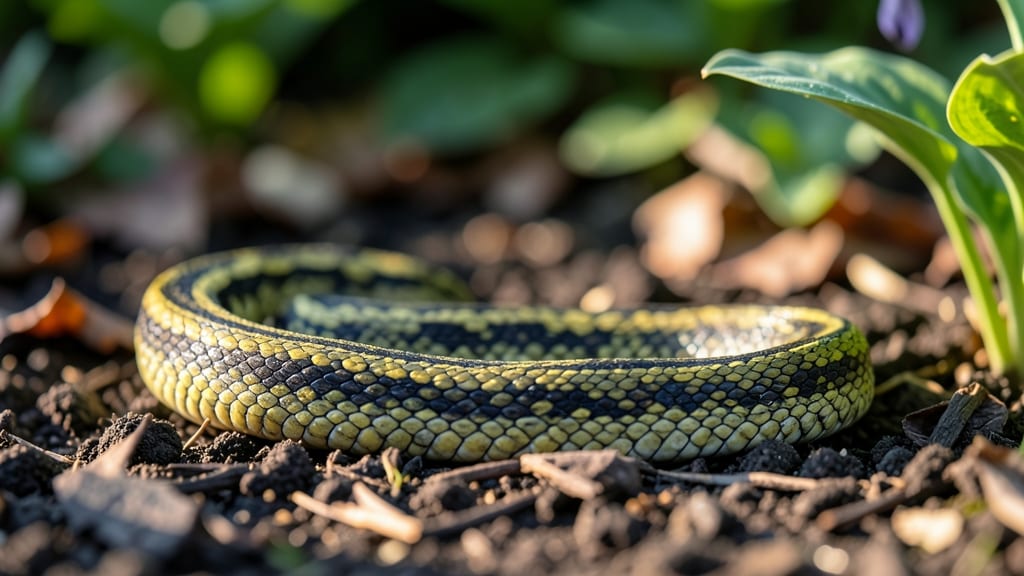
💥 Quick Answer Finding images of garden snakes reveals striking species like garter snakes with bright yellow stripes, rat snakes with glossy black-and-white patterns, or milk snakes showcasing bold red-and-white bands…
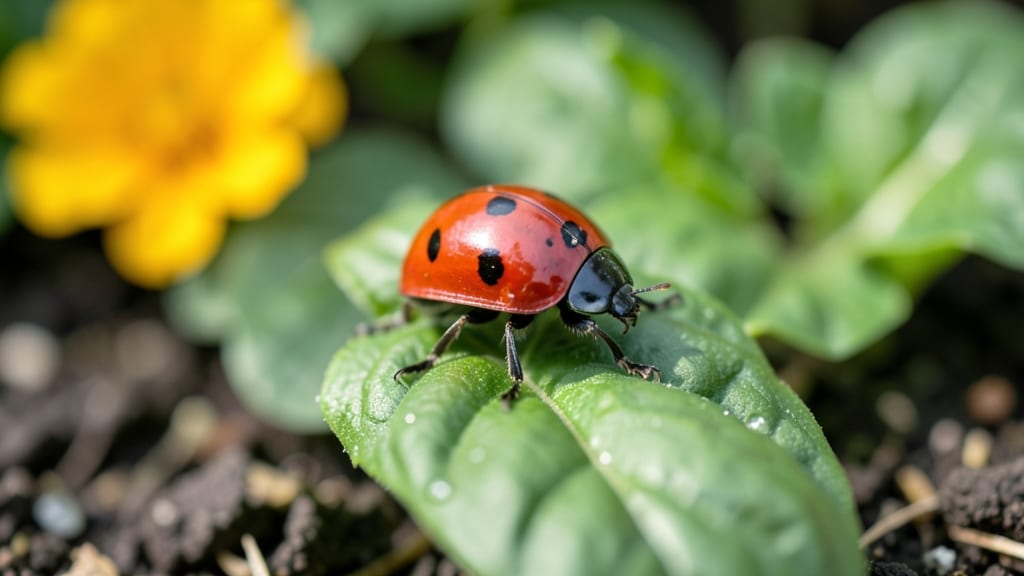
Mastering insects in garden identification is the first step to protecting your plants—and your patience—from unseen threats. Struggling to tell whether that tiny speck on your leaves is a helpful ladybug or a…
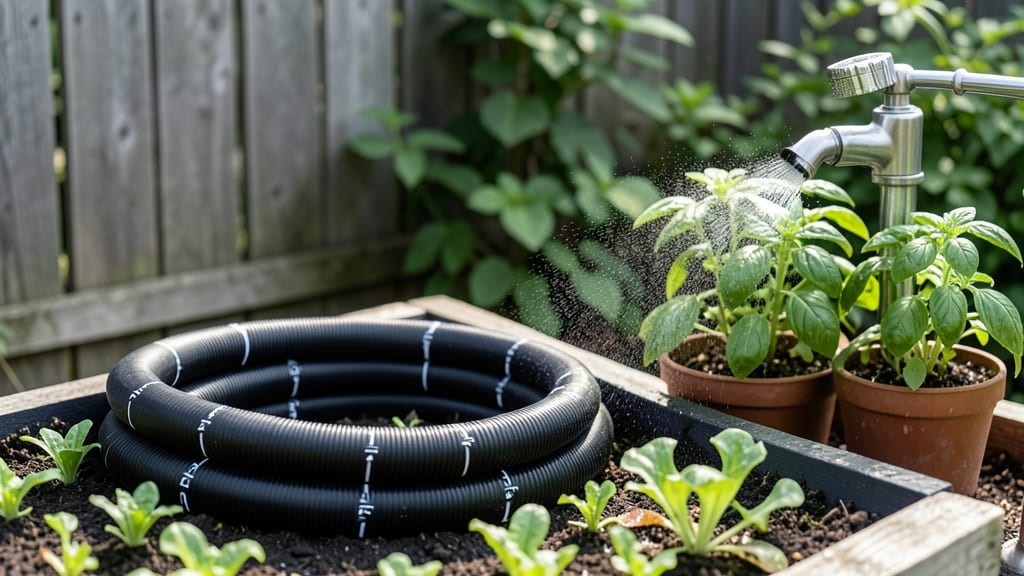
💥 Quick Answer The inside diameter of garden hoses determines water flow and pressure efficiency, with standard sizes ranging from 3/8 inch to 5/8 inch—where 1/2 inch is ideal for most watering tasks, balancing reach…
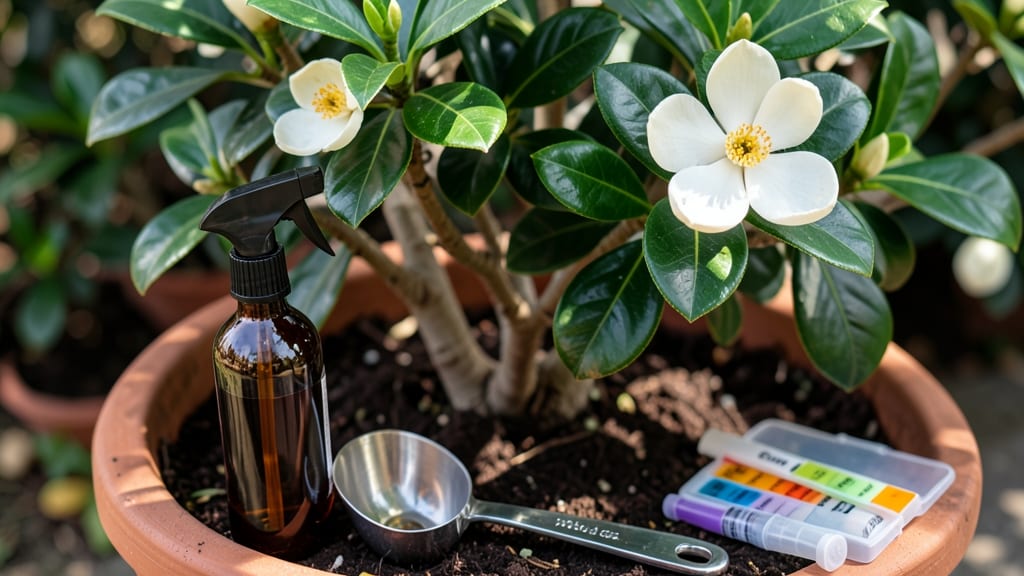
Gardenias need iron to keep their leaves vibrant and blooms plentiful 🌸—without it, those glossy green leaves turn a sad, yellowish shade. Struggling with yellowing leaves and sparse blooms on your gardenias? Iron…
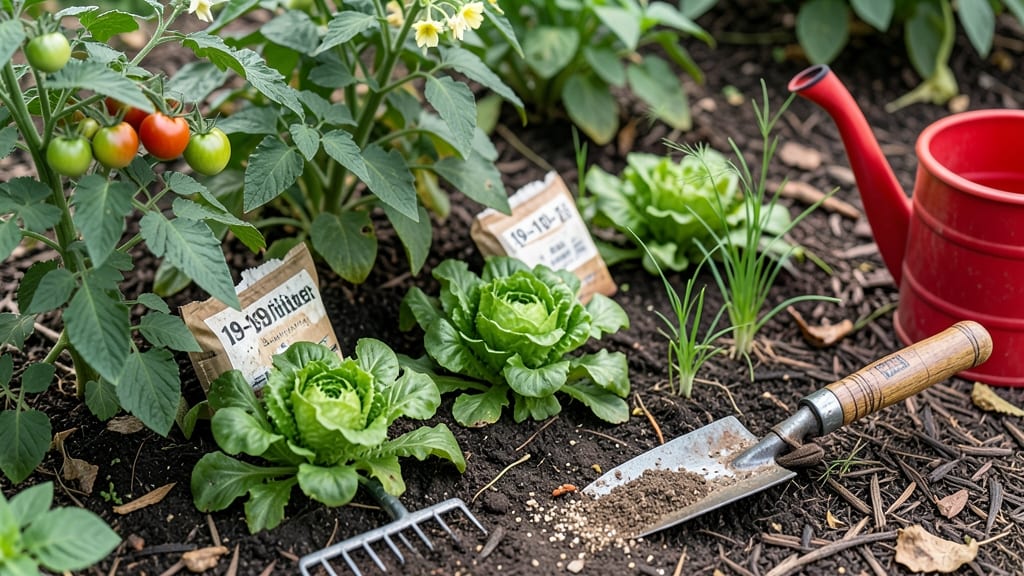
💥 Quick Answer 19-19-19 fertilizer can be good for vegetable gardens when used correctly, as its balanced NPK ratio supports steady growth, but may lack micronutrients and require soil testing to avoid…
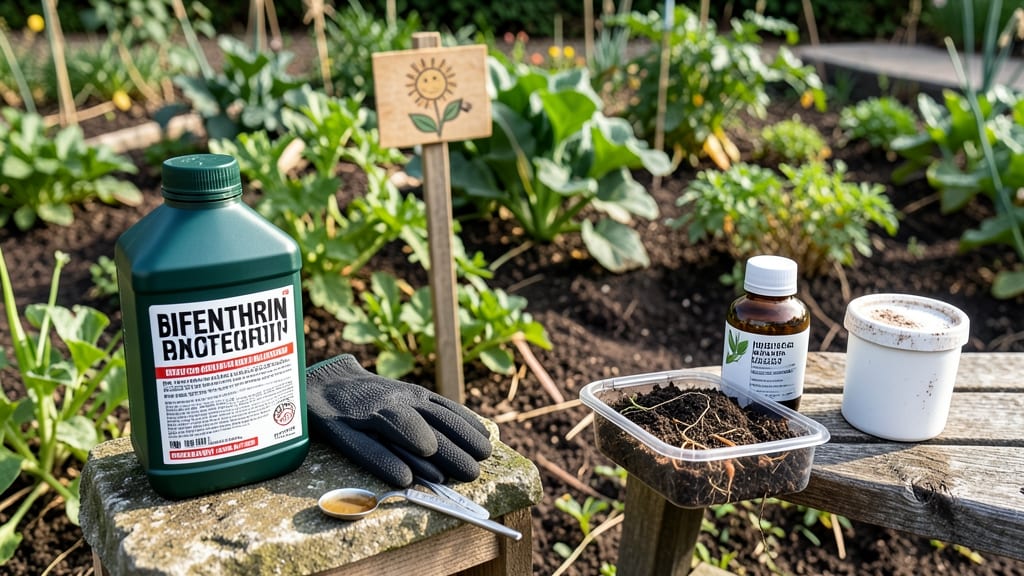
💥 Quick Answer Bifenthrin is not considered safe for vegetable gardens because it harms beneficial insects, leaves toxic residues, and violates organic standards. The EPA restricts its use near edible crops, requiring…
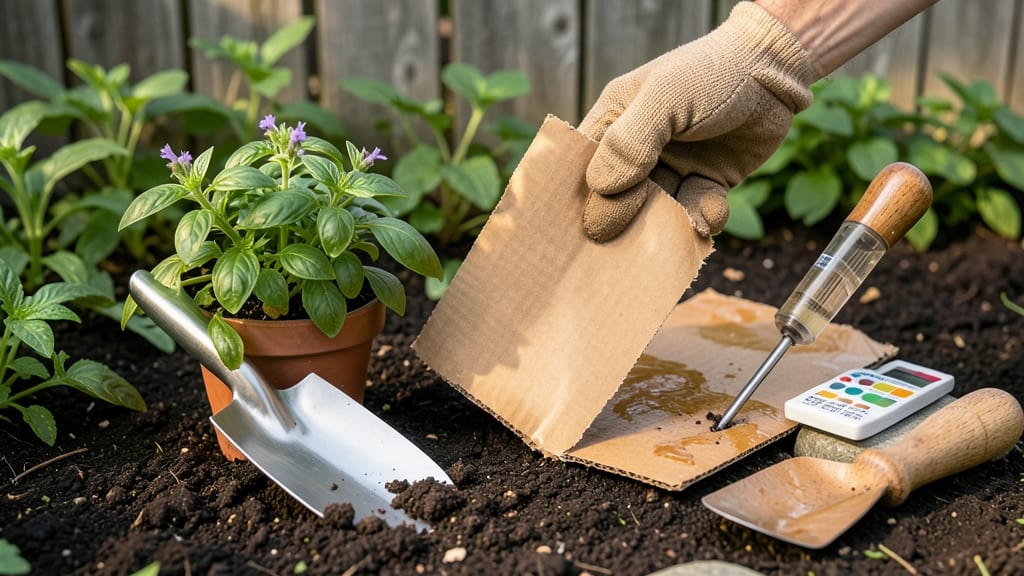
💥 Quick Answer Cardboard is generally not toxic in the garden when used as mulch or weed barrier, but its breakdown releases ink chemicals and adhesives that may harm soil microbes and plants over time. Plain, uncoated…
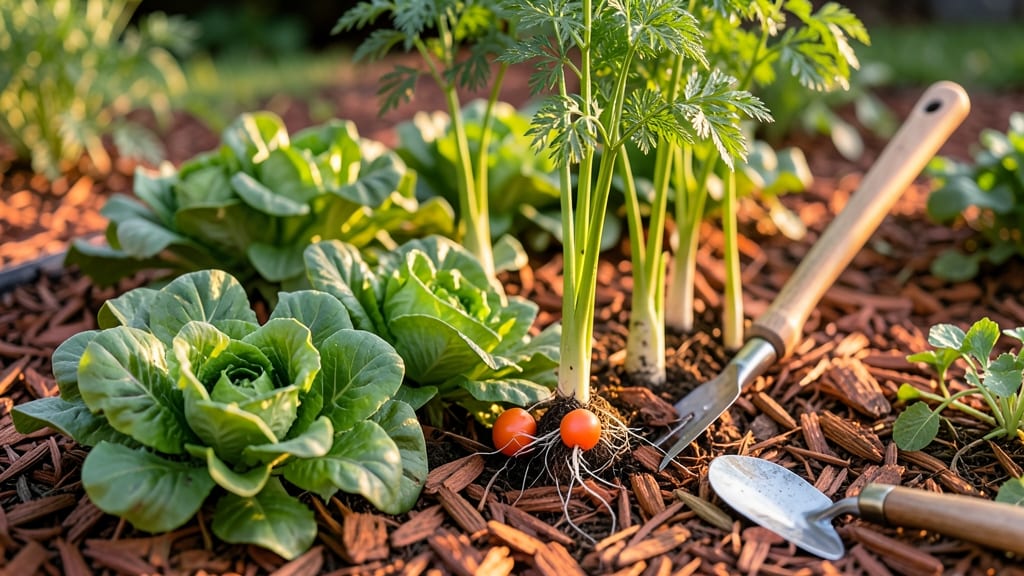
💥 Quick Answer Cedar mulch can be good for vegetable gardens as it repels pests like deer and rodents, retains moisture, and improves soil health over time, but its natural oils may inhibit seed germination and harm…
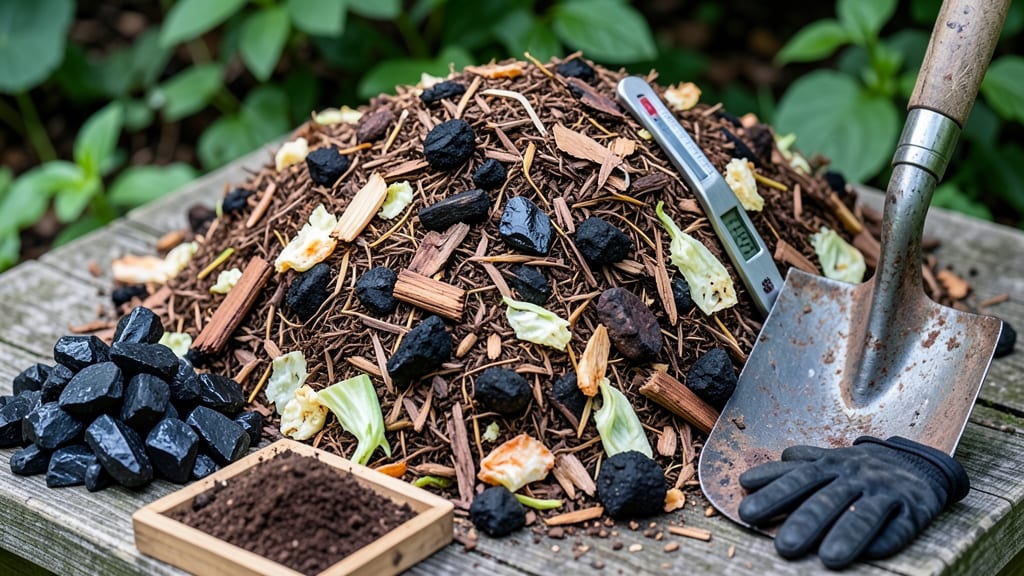
💥 Quick Answer Coal is not good for the garden because it raises soil pH drastically, creating alkaline conditions that harm most plants, while also introducing toxic chemicals like sulfur and heavy metals that stunt…
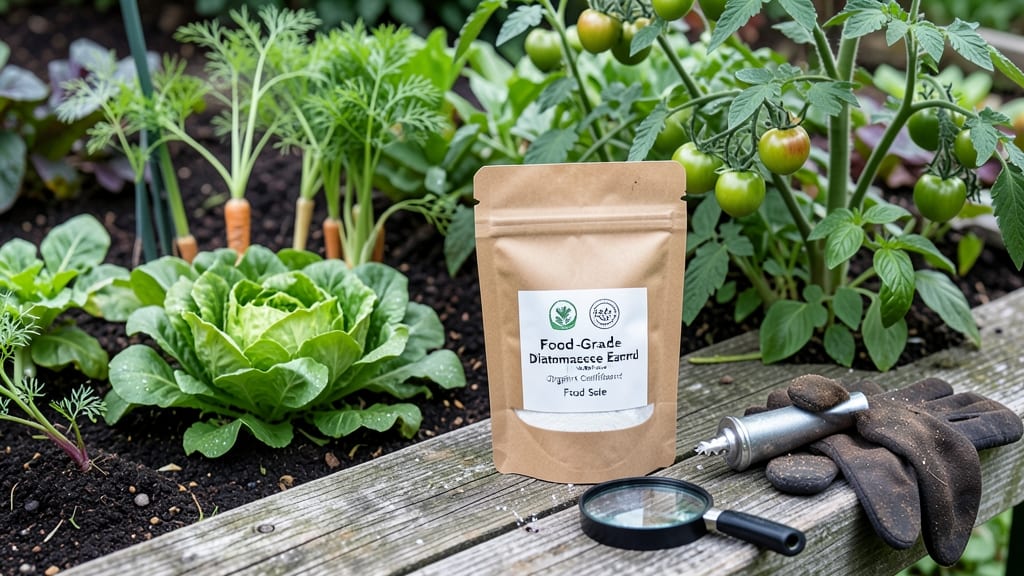
💥 Quick Answer Diatomaceous earth is safe for vegetable gardens when used carefully as a natural pesticide, but it can harm beneficial insects like bees and earthworms. Always use food-grade DE sparingly and avoid…